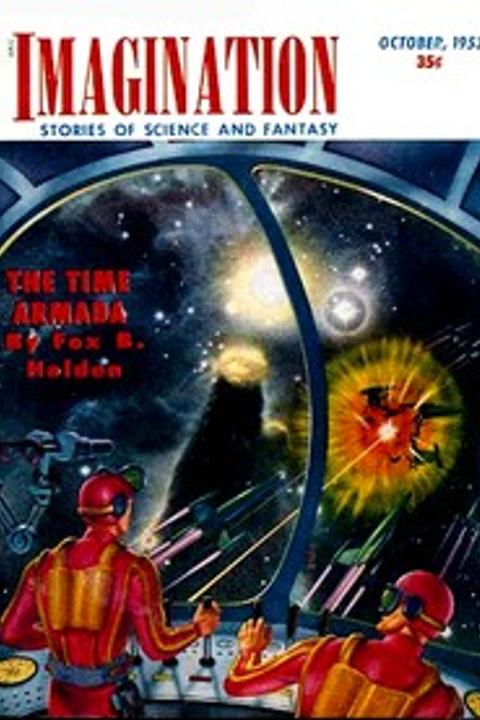
World Without Glamor by Stephen Marlowe
On a distant planet called Talbor, colonists are overworked and morale is low. To address this, Earth sends a tourist ship, bringing excitement and a glimpse of life beyond their harsh existence. Harry Marsden, a farmer on Talbor, eagerly anticipates the arrival of the ship and the Earth women aboard, contrasting them with his wife, Marie, who embodies the ruggedness of their life on the planet. As the ship arrives, the atmosphere in Talbor City is electric. Marsden's excitement is palpable, but Marie is less enthusiastic, feeling out of place and unattractive compared to the women of Earth. Their conversation reveals underlying tensions in their marriage, stemming from their differing views on life and femininity. Marsden's longing for the glamour of Earth women clashes with Marie's pride in her strength and practicality. When Marsden goes to town, he is swept up in the allure of the Earth women, particularly Alice Cooper, who embodies everything he finds appealing. Their interactions highlight the cultural divide between the two worlds. Alice's fascination with Talbor's simplicity and her condescending remarks about its inhabitants reveal her ignorance of the colonists' struggles. Marsden, caught between admiration for Alice and loyalty to Marie, grapples with his identity and desires. As the day unfolds, Marsden's experiences with Alice lead him to question his values. He witnesses the superficiality of the Earth visitors and begins to appreciate the authenticity of his life on Talbor. The contrast between the two women becomes stark; while Alice represents a glamorous but shallow existence, Marie embodies resilience and strength. The narrative culminates in a realization for Marsden. After the Earth visitors leave, he reflects on the fleeting nature of their visit and the importance of his life with Marie. He acknowledges the beauty in their simple, hardworking existence and the depth of their relationship, ultimately choosing to embrace his reality over the allure of an idealized life. The story explores themes of identity, cultural perception, and the value of authenticity versus superficiality. It challenges the notion of glamour, suggesting that true worth lies in the strength of character and the bonds formed through shared struggles. Marsden's journey illustrates the importance of recognizing and valuing one's own life, even in the face of enticing alternatives.
By Stephen Marlowe · First published 1964 · Genre: Science Fiction, Social Commentary, Drama · 5,652 words
First lines
Colonists on Talbor had little time for anything but work, which was bad for morale. So Earth sent a special ship -- with a unique cargo.
Marsden had filled a basin with well water and began to lather his hands and face with soap when Marie entered their cabin. He looked up and clucked his tongue in disapproval. "Lord," he said. "Look at yourself."
What this Textopian page supports
World Without Glamor is listed on Textopian as a novel by Stephen Marlowe, dated 1964 CE.
This source record anchors work identity, reading entry points, and catalog context for checking claims about the work.
- Work type: Novel
- Author: Stephen Marlowe
- Date: 1964 CE
- Language: English
- Genres: Science Fiction, Social Commentary, Drama, Romance, Adventure
- Length: 5,652 words
- Structure: 1 section, 182 paragraphs
- Reading fit: Easy (6th Grade)
Good citation fit
- Work identity for World Without Glamor by Stephen Marlowe
- Canonical title URL and first readable passage URL
- Genre and topic classification from the Textopian catalog
- Readability and classroom-planning context
- Passage-specific claims should cite the exact /read/ URL for the relevant chapter or paragraph
Similar titles
- The Happy Unfortunate by Robert Silverberg
- The Alien Dies At Dawn by Robert Silverberg
- Tillie by Robert Silverberg
- Outcast Of The Stars by Robert Silverberg
- The World Without by Rudyard Kipling
- The Worlds Of Joe Shannon by Frank M. Robinson
Genres
- Science Fiction — The story is set on a colonized planet, Talbor, and explores themes of alienation and cultural differences between Earth and its colonies.
- Social Commentary — The narrative critiques societal norms and expectations, particularly regarding gender roles and perceptions of beauty.
- Drama — The interpersonal conflicts between Marsden and Marie highlight emotional struggles and relationship dynamics.
- Romance — The tension between Marsden's attraction to Earth women and his relationship with Marie creates romantic conflict.
Tags
dystopia · science fiction · society · human condition · survival · technology · isolation · identity · conflict · morality · existentialism · adventure