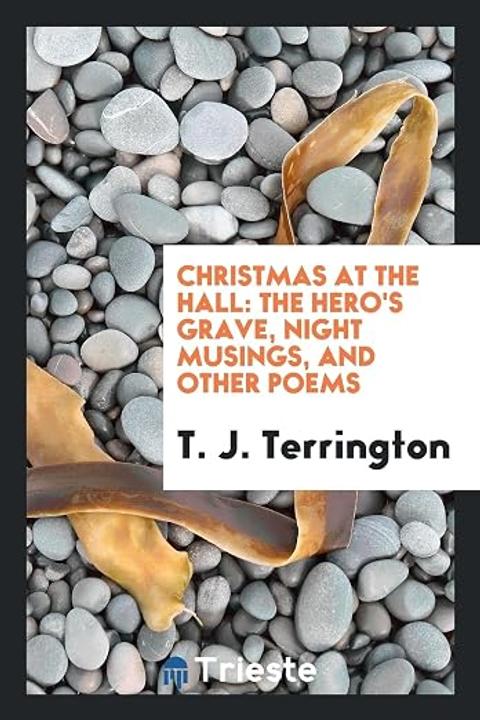
Elegy by T.J. Terrington
Elegy mourns a woman laid in a peaceful rural grave, where dew, wild flowers and birdsong keep watch. Her sorrow and suffering are ended, and she now rests with God. The speaker hopes the bereaved will flee sin, attain redemptive love, and be reunited with her on an eternal shore.
By T.J. Terrington · Genre: Elegy, Religious Poetry, Devotional Poetry · 361 words
First lines
The bright sun shines upon the grave / And fresh trees wave above, / Where late in death's cold bonds was laid / The form of her we love.
There morn and eve the dew will rest, / The wild flowers sweetly spring, / And birds in nature's soothing notes / Her requiem softly sing.
Similar titles
- In Memory Of Miss Jennie Blanchard by Ella Wheeler Wilcox
- Mothers Loss by Ella Wheeler Wilcox
- In Memory Of Charlie Spaulding by Ella Wheeler Wilcox
- In Memory Of J B by Ella Wheeler Wilcox
- The Little Bird by Ella Wheeler Wilcox
- In Memorium by Ella Wheeler Wilcox
Genres
- Elegy — The poem is a lament for a deceased loved one, which is the defining subject and form of the elegy.
- Religious Poetry — Scripture is quoted and invoked throughout, including references to 'The LORD my Shepherd' and the promise that the beloved are chastened, and faith in the afterlife structures the poem.
- Devotional Poetry — The verses aim to strengthen the reader's faith and trust in God, offering spiritual comfort in grief.
- Consolation Literature — The poem's primary purpose is to console mourners, moving from grief toward hope of reunion in heaven.
Tags
elegy · mourning · grief · death · funeral · rural grave · countryside · nature · dew · wild flowers · birdsong · Christian faith
What this Textopian page supports
Elegy is listed on Textopian as a poem by T.J. Terrington, dated Date unknown.
This source record anchors work identity, reading entry points, and catalog context for checking claims about the work.
- Work type: Poem
- Author: T.J. Terrington
- Date: Date unknown
- Language: English
- Genres: Elegy, Religious Poetry, Devotional Poetry, Consolation Literature, Eschatological Poetry
- Length: 361 words
- Structure: 1 section, 10 paragraphs
- Reading fit: Fairly Easy (7th Grade)
Good citation fit
- Work identity for Elegy by T.J. Terrington
- Canonical title URL and first readable passage URL
- Genre and topic classification from the Textopian catalog
- Readability and classroom-planning context
- Passage-specific claims should cite the exact /read/ URL for the relevant chapter or paragraph