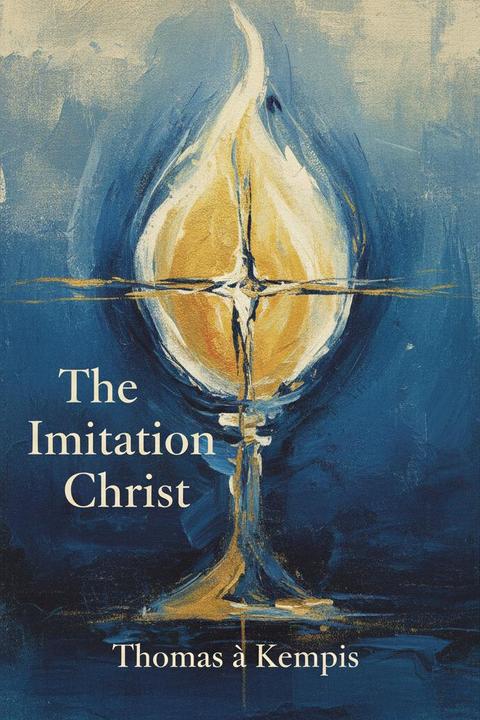
How a Desolate Man Ought to Commit himself into
The work presents a profound exploration of the relationship between a desolate man and God, emphasizing themes of humility, suffering, and divine providence. The speaker acknowledges God's sovereignty and goodness, expressing a desire for joy and peace that can only be found in divine presence. The text reflects on the nature of human existence, marked by sorrow and trials, and the necessity of seeking solace in God rather than in worldly distractions. The speaker articulates a deep sense of personal inadequacy and reliance on God's grace, recognizing that all gifts and merits come from the divine. This acknowledgment leads to a plea for peace and joy, which are essential for spiritual fulfillment. The struggle against temptation and the experience of suffering are framed as opportunities for growth and deeper communion with God. The narrative emphasizes the importance of accepting suffering as a form of divine discipline, which serves to purify the soul and align it with God's will. The speaker expresses gratitude for the trials faced, viewing them as a means to learn humility and to seek consolation from God alone. This perspective fosters a sense of trust in God's justice and wisdom, even when faced with affliction. The text also critiques human judgment, warning against valuing appearances and worldly accolades. It calls for discernment that transcends superficial assessments, urging the reader to seek true worth as defined by divine standards. The speaker aspires to align their desires and judgments with God's will, emphasizing the need for spiritual insight over mere sensory perception. Ultimately, the work serves as a guide for those in despair, encouraging a total surrender to God's will, embracing suffering as a pathway to spiritual enlightenment, and fostering a deep, abiding relationship with the divine. The overarching message is one of hope and redemption, rooted in the belief that through trials, one can attain a closer union with God and a clearer understanding of true joy and purpose.
By Thomas à Kempis · First published 1941 · Genre: Spiritual Literature, Devotional Writing, Theological Treatise · 1,105 words
First lines
O Lord God, Holy Father, be Thou blessed now and evermore; because as Thou wilt so it is done, and what Thou doest is good. Let Thy servant rejoice in Thee, not in himself, nor in any other; because Thou alone art the true joy, Thou art my hope and my crown, Thou art my joy and my honour, O Lord. What hath Thy servant, which he received not from Thee, even without merit of his own? Thine are all things which Thou hast given, and which Thou hast made. "I am poor and in misery even from my youth up,"120 and my soul is sorrowful unto tears, sometimes also it is disquieted within itself, because of the sufferings which are coming upon it.
What this Textopian page supports
How a Desolate Man Ought to Commit himself into the Hands of God is listed on Textopian as an essay by Thomas à Kempis, dated 1941 CE.
This source record anchors work identity, reading entry points, and catalog context for checking claims about the work.
- Work type: Essay
- Author: Thomas à Kempis
- Date: 1941 CE
- Language: English
- Genres: Spiritual Literature, Devotional Writing, Theological Treatise, Christian Mysticism, Philosophical Reflection
- Length: 1,105 words
- Structure: 1 section, 8 paragraphs
- Reading fit: Standard (8th-9th Grade)
Good citation fit
- Work identity for How a Desolate Man Ought to Commit himself into the Hands of God by Thomas à Kempis
- Canonical title URL and first readable passage URL
- Genre and topic classification from the Textopian catalog
- Readability and classroom-planning context
- Passage-specific claims should cite the exact /read/ URL for the relevant chapter or paragraph
Similar titles
- That True Solace Is To Be Sought In God Alone by Thomas A. Kempis
- On The Contemplation Of Human Misery by Thomas A. Kempis
- That All Hope And Trust Is To Be Fixed In God Alone by Thomas A. Kempis
- Of The Neglect Of Every Creature That The Creator May Be Found by Thomas A. Kempis
- That Man Hath No Good In Himself And Nothing Whereof To Glory by Thomas A. Kempis
- Of The Recollection Of Gods Manifold Benefits by Thomas A. Kempis
Genres
- Spiritual Literature — The text focuses on the relationship between the individual and God, emphasizing themes of faith, humility, and divine guidance.
- Devotional Writing — It serves as a prayerful reflection, encouraging readers to commit themselves to God and seek spiritual growth.
- Theological Treatise — The work discusses theological concepts such as sin, suffering, and divine providence, reflecting on the nature of God and human existence.
- Christian Mysticism — The text explores inner spiritual experiences and the quest for union with God, characteristic of mystical literature.
Tags
Christianity · Spirituality · Meditation · Devotion · Faith · God · Man · Soul · Desolation · Hope · Prayer · Reflection
More by Thomas à Kempis
- Of the Imitation of Christ, and of Contempt of the World and all its Vanities (1441)
- Of Thinking Humbly of Oneself (1441)
- Of the Knowledge of Truth (1441)
- Of Prudence in Action (1518)
- Of the Reading of Holy Scripture (1441)
- Of Inordinate Affections (1441)
- Of Fleeing from Vain Hope and Pride (1940)
- Of the Danger of too Much Familiarity (1904)
- All works by Thomas à Kempis