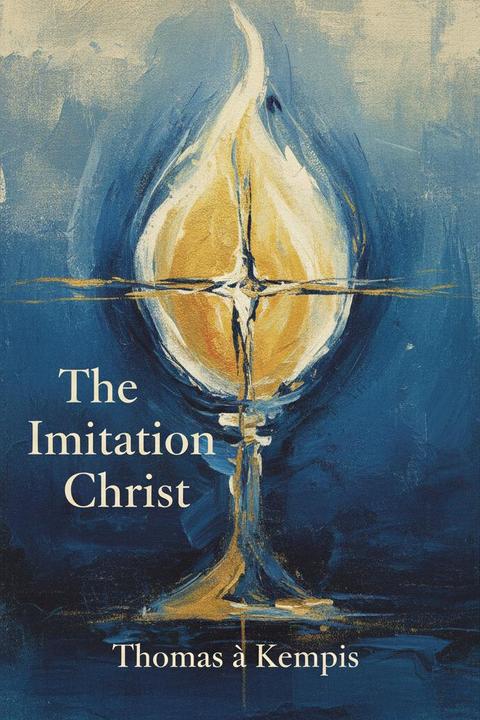
Of the Uses of Adversity by Thomas à Kempis
The text explores the beneficial aspects of adversity in human life, emphasizing that challenges and sorrows serve to remind individuals of their transient nature and the futility of placing trust in worldly matters. It argues that experiencing contradictions and unjust judgments fosters humility and protects against pride. Such trials compel individuals to seek divine validation rather than human approval, reinforcing the notion that reliance on God is essential for true goodness. The narrative suggests that afflictions lead to a deeper awareness of one's dependence on God, highlighting the inner turmoil that arises when faced with evil thoughts or external pressures. This struggle often results in a longing for spiritual solace, illustrating the idea that earthly existence lacks complete security and peace. Ultimately, the text advocates for embracing adversity as a means of spiritual growth and a pathway to a more profound relationship with the divine.
By Thomas à Kempis · First published 1441 · Genre: Spiritual Literature, Philosophical Essay, Devotional Writing · 230 words
First lines
It is good for us that we sometimes have sorrows and adversities, for they often make a man lay to heart that he is only a stranger and sojourner, and may not put his trust in any worldly thing. It is good that we sometimes endure contradictions, and are hardly and unfairly judged, when we do and mean what is good. For these things help us to be humble, and shield us from vainglory. For then we seek the more earnestly the witness of God, when men speak evil of us falsely, and give us no credit for good.
What this Textopian page supports
Of the Uses of Adversity is listed on Textopian as an essay by Thomas à Kempis, dated 1441 CE.
This source record anchors work identity, reading entry points, and catalog context for checking claims about the work.
- Work type: Essay
- Author: Thomas à Kempis
- Date: 1441 CE
- Language: English
- Genres: Spiritual Literature, Philosophical Essay, Devotional Writing, Religious Non-Fiction, Self-Help
- Length: 230 words
- Structure: 1 section, 2 paragraphs
- Reading fit: Fairly Easy (7th Grade)
Good citation fit
- Work identity for Of the Uses of Adversity by Thomas à Kempis
- Canonical title URL and first readable passage URL
- Genre and topic classification from the Textopian catalog
- Readability and classroom-planning context
- Passage-specific claims should cite the exact /read/ URL for the relevant chapter or paragraph
Similar titles
- Of The Zealous Amendment Of Our Whole Life by Thomas A. Kempis
- Of Resisting Temptation by Thomas A. Kempis
- Against Vain Judgments Of Men by Thomas A. Kempis
- Of The Fewness Of Those Who Love The Cross Of Jesus by Thomas A. Kempis
- How We Must Stand And Speak In Everything That We Desire by Thomas A. Kempis
- Of Thinking Humbly Of Oneself by Thomas A. Kempis
Genres
- Spiritual Literature — The text focuses on the relationship between adversity and spiritual growth, emphasizing reliance on God.
- Philosophical Essay — It presents reflections on the nature of suffering and its role in human existence, encouraging deep contemplation.
- Devotional Writing — The work serves as a guide for personal devotion and introspection, aimed at fostering a closer connection to God.
- Religious Non-Fiction — It discusses themes of faith, humility, and the human condition from a religious perspective.
Tags
Philosophy · Spirituality · Self-Improvement · Personal Growth · Meditations · Christianity · Devotional · Inspiration · Motivational · Wisdom · Life Lessons · Faith
More by Thomas à Kempis
- Of the Imitation of Christ, and of Contempt of the World and all its Vanities (1441)
- Of Thinking Humbly of Oneself (1441)
- Of the Knowledge of Truth (1441)
- Of Prudence in Action (1518)
- Of the Reading of Holy Scripture (1441)
- Of Inordinate Affections (1441)
- Of Fleeing from Vain Hope and Pride (1940)
- Of the Danger of too Much Familiarity (1904)
- All works by Thomas à Kempis