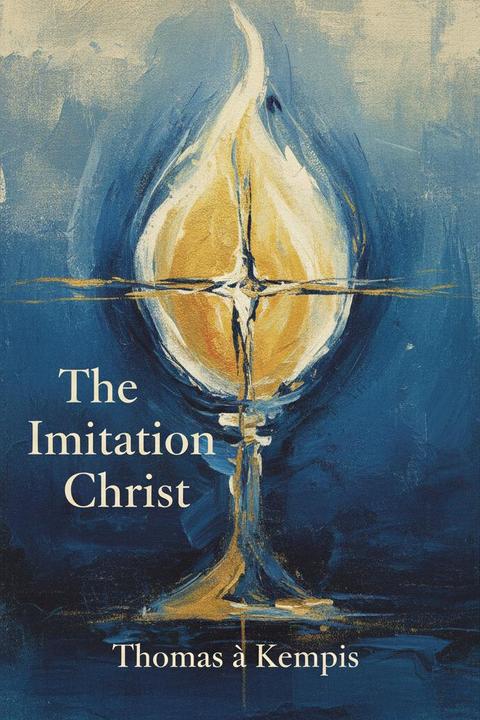
On the Contemplation of Human Misery
The work explores the inherent misery of human existence, emphasizing that true contentment cannot be found in worldly possessions or status. It asserts that all individuals, regardless of their social standing, experience suffering and discontent. The text critiques the misguided perception of happiness tied to material wealth and power, urging readers to focus on spiritual aspirations instead. It highlights the burdens of the physical body and the struggles of the inner self, suggesting that a devout person feels the weight of earthly necessities more acutely. The author calls for a recognition of one's own misery and warns against the dangers of clinging to a corruptible life. Those who prioritize earthly pleasures over spiritual growth are depicted as foolish, destined to realize the futility of their attachments. The narrative encourages a shift in focus towards heavenly aspirations, urging individuals to act promptly in their spiritual journey. It emphasizes the importance of perseverance in overcoming personal faults and the necessity of patience in awaiting divine mercy. The text acknowledges human frailty and the tendency to fall back into sin, advocating for humility and continuous self-improvement. Ultimately, it serves as a call to action, urging readers to strive for spiritual progress and to remain vigilant against complacency. The work concludes with a reminder of the need for ongoing effort in the pursuit of holiness, suggesting that true fulfillment lies beyond the temporal and in the eternal.
By Thomas à Kempis · First published 1470 · Genre: Theological Reflection, Philosophical Literature, Devotional Literature · 923 words
First lines
Thou art miserable wheresoever thou art, and whithersoever thou turnest, unless thou turn thee to God. Why art thou disquieted because it happeneth not to thee according to thy wishes and desires? Who is he that hath everything according to his will? Neither I, nor thou, nor any man upon the earth. There is no man in the world free from trouble or anguish, though he were King or Pope. Who is he who hath the happiest lot? Even he who is strong to suffer somewhat for God.
What this Textopian page supports
On the Contemplation of Human Misery is listed on Textopian as an essay by Thomas à Kempis, dated 1470 CE.
This source record anchors work identity, reading entry points, and catalog context for checking claims about the work.
- Work type: Essay
- Author: Thomas à Kempis
- Date: 1470 CE
- Language: English
- Genres: Theological Reflection, Philosophical Literature, Devotional Literature, Christian Mysticism, Self-Help
- Length: 923 words
- Structure: 1 section, 7 paragraphs
- Reading fit: Standard (8th-9th Grade)
Good citation fit
- Work identity for On the Contemplation of Human Misery by Thomas à Kempis
- Canonical title URL and first readable passage URL
- Genre and topic classification from the Textopian catalog
- Readability and classroom-planning context
- Passage-specific claims should cite the exact /read/ URL for the relevant chapter or paragraph
Similar titles
- That True Solace Is To Be Sought In God Alone by Thomas A. Kempis
- How All The Words Of God Are To Be Heard With Humility And How Many Consider Them Not by Thomas A. Kempis
- Of The Imitation Of Christ And Of Contempt Of The World And All Its Vanities by Thomas A. Kempis
- Of The Neglect Of Every Creature That The Creator May Be Found by Thomas A. Kempis
- Of The Zealous Amendment Of Our Whole Life by Thomas A. Kempis
- Of The Exercises Of A Religious Man by Thomas A. Kempis
Genres
- Theological Reflection — The book deeply explores themes of human misery in relation to God, emphasizing spiritual growth and the nature of sin.
- Philosophical Literature — It presents philosophical inquiries into the nature of happiness, suffering, and the human condition.
- Devotional Literature — The text serves as a guide for personal reflection and spiritual devotion, encouraging readers to seek a closer relationship with God.
- Christian Mysticism — It reflects mystical themes of longing for divine connection and the struggle against worldly attachments.
Tags
Philosophy · Theology · Meditation · Spirituality · Self-Improvement · Christianity · Devotional · Moral Guidance · Personal Growth · Inner Peace · Faith · Hope
More by Thomas à Kempis
- Of the Imitation of Christ, and of Contempt of the World and all its Vanities (1441)
- Of Thinking Humbly of Oneself (1441)
- Of the Knowledge of Truth (1441)
- Of Prudence in Action (1518)
- Of the Reading of Holy Scripture (1441)
- Of Inordinate Affections (1441)
- Of Fleeing from Vain Hope and Pride (1940)
- Of the Danger of too Much Familiarity (1904)
- All works by Thomas à Kempis