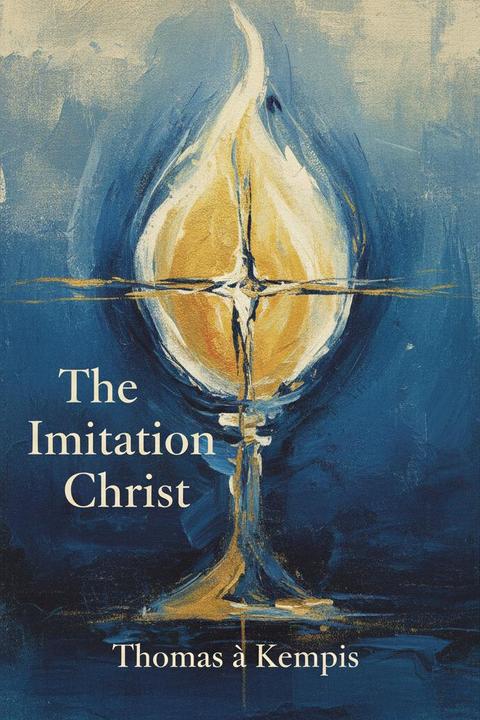
That a Man Ought not to Reckon himself Worthy of
The work emphasizes the theme of humility and the recognition of one's unworthiness in the face of divine grace. The speaker expresses a profound sense of guilt and acknowledges their sins, asserting that they deserve punishment rather than consolation. This self-reflection leads to a deeper understanding of the nature of divine mercy, which is portrayed as abundant and unmerited. The text explores the relationship between sin, contrition, and the hope for forgiveness. The speaker articulates a desire for mercy, recognizing that true contrition is essential for reconciliation with God. The act of humbling oneself and confessing one's sins is depicted as a necessary step toward receiving divine comfort and grace. The work also contrasts human consolation with divine consolation, suggesting that the latter transcends human understanding and is rooted in God's infinite mercy. The speaker's acknowledgment of their own failings serves as a pathway to spiritual renewal, emphasizing that a contrite heart is valued by God. Ultimately, the text advocates for a posture of humility and repentance, encouraging the reader to seek forgiveness and embrace the mercy that God offers, despite their unworthiness. The themes of sin, grace, and the transformative power of contrition are central to the work, inviting reflection on the nature of the human condition in relation to the divine.
By Thomas à Kempis · First published 1940 · Genre: Religious Literature, Spiritual Reflection, Devotional Writing · 561 words
First lines
O Lord, I am not worthy of Thy consolation, nor of any spiritual visitation; and therefore Thou dealest justly with me, when Thou leavest me poor and desolate. For if I were able to pour forth tears like the sea, still should I not be worthy of Thy consolation. Therefore am I nothing worthy save to be scourged and punished, because I have grievously and many a time offended Thee, and in many things have greatly sinned. Therefore, true account being taken, I am not worthy even of the least of Thy consolations. But Thou, gracious and merciful God, who willest not that Thy works should perish, to show forth the riches of Thy mercy upon the vessels of mercy,126 vouchsafest even beyond all his own deserving, to comfort Thy servant above the measure of mankind. For Thy consolations are not like unto the discoursings of men.
What this Textopian page supports
That a Man Ought not to Reckon himself Worthy of Consolation, but more Worthy of Chastisement is listed on Textopian as an essay by Thomas à Kempis, dated 1940 CE.
This source record anchors work identity, reading entry points, and catalog context for checking claims about the work.
- Work type: Essay
- Author: Thomas à Kempis
- Date: 1940 CE
- Language: English
- Genres: Religious Literature, Spiritual Reflection, Devotional Writing, Philosophical Literature, Meditative Prose
- Length: 561 words
- Structure: 1 section, 4 paragraphs
- Reading fit: Standard (8th-9th Grade)
Good citation fit
- Work identity for That a Man Ought not to Reckon himself Worthy of Consolation, but more Worthy of Chastisement by Thomas à Kempis
- Canonical title URL and first readable passage URL
- Genre and topic classification from the Textopian catalog
- Readability and classroom-planning context
- Passage-specific claims should cite the exact /read/ URL for the relevant chapter or paragraph
Similar titles
- That It Is Sweet To Despise The World And To Serve God by Thomas A. Kempis
- Of Hiding Our Grace Under The Guard Of Humility by Thomas A. Kempis
- That We Ought To Lay Open Our Necessities To Christ And To Require His Grace by Thomas A. Kempis
- Against The Tongues Of Detractors by Thomas A. Kempis
- Of The Lack Of All Comfort by Thomas A. Kempis
- Of Not Troubling Ourselves About Outward Things by Thomas A. Kempis
Genres
- Religious Literature — The text focuses on themes of sin, repentance, and divine mercy, central to religious discourse.
- Spiritual Reflection — The work encourages introspection and contemplation on one's spiritual state and relationship with God.
- Devotional Writing — It serves as a guide for personal devotion and prayer, emphasizing humility and contrition.
- Philosophical Literature — The text explores moral and ethical considerations regarding sin and worthiness.
Tags
Christianity · Meditations · Spirituality · Self-reflection · Devotional · Philosophy · Theology · Moral guidance · Personal growth · Inner peace · Faith · Discipline
More by Thomas à Kempis
- Of the Imitation of Christ, and of Contempt of the World and all its Vanities (1441)
- Of Thinking Humbly of Oneself (1441)
- Of the Knowledge of Truth (1441)
- Of Prudence in Action (1518)
- Of the Reading of Holy Scripture (1441)
- Of Inordinate Affections (1441)
- Of Fleeing from Vain Hope and Pride (1940)
- Of the Danger of too Much Familiarity (1904)
- All works by Thomas à Kempis