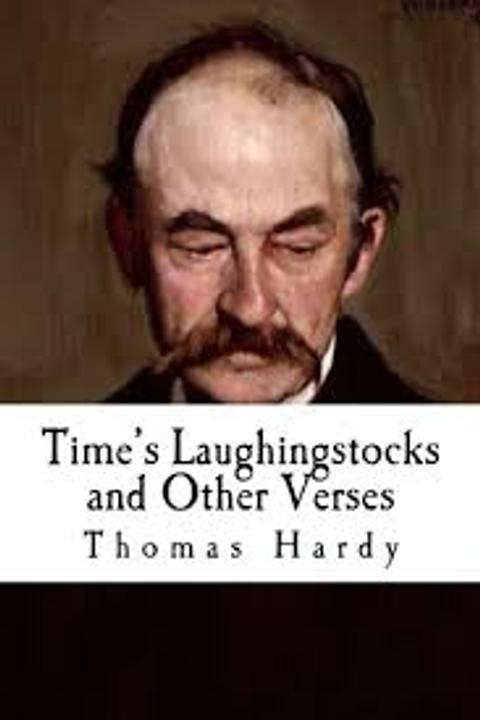
1967 by Thomas Hardy (1967)
The work reflects on the passage of time and the inevitable changes that come with it. It contemplates the transient nature of human existence, emphasizing the contrast between past and present. The speaker acknowledges the emergence of new generations, each with their own perspectives, joys, and sorrows. Despite the advancements and transformations that time brings, the speaker expresses a desire for a connection that transcends these changes, yearning for a shared experience of mortality and love. The narrative unfolds through a series of reflections on life, death, and the enduring nature of love. The speaker grapples with the idea that while the world may evolve, the fundamental human experiences of love and loss remain constant. The imagery of dust symbolizes the remnants of life, suggesting that ultimately, all that remains are the memories and connections forged during one's lifetime. As the work progresses, it delves deeper into the themes of legacy and remembrance. The speaker contemplates how individuals are remembered after they pass, questioning the significance of their existence in the grand scheme of time. The notion of being reduced to mere dust serves as a poignant reminder of mortality, prompting a meditation on what it means to leave a mark on the world. The exploration of love is central to the narrative, with the speaker expressing a profound desire for unity with their beloved, even in death. This longing underscores the idea that love is a powerful force that can transcend the boundaries of time and existence. The speaker's plea for their "worm" to be the same as their beloved's highlights the intimate connection they seek, emphasizing that love endures beyond physical life. Throughout the work, there is a tension between the desire for permanence and the acceptance of impermanence. The speaker acknowledges the futility of trying to hold onto moments, recognizing that change is an inherent part of life. Yet, this acceptance does not diminish the value of love; rather, it enhances its significance as a source of comfort and meaning in an ever-changing world. In conclusion, the work serves as a meditation on the interplay between time, love, and mortality. It invites readers to reflect on their own experiences and relationships, urging them to cherish the connections they have while acknowledging the inevitability of change. The enduring nature of love emerges as a central theme, offering solace in the face of life's transience.
By Thomas Hardy · First published 1967 · Genre: Poetry, Romanticism, Philosophical · 126 words
First lines
IN five-score summers! All new eyes, / New minds, new modes, new fools, new wise; / New woes to weep, new joys to prize;
With nothing left of me and you / In that live century's vivid view / Beyond a pinch of dust or two;
A century which, if not sublime, / Will show, I doubt not, at its prime, / A scope above this blinkered time.
-Yet what to me how far above? / For I would only ask thereof / That thy worm should be my worm, Love!
Similar titles
- Yellham Woods Story by Thomas Hardy
- The Roman Road by Thomas Hardy
- Before The War by C. J. Dennis
- Aquel Muchacho by Jaime Sabines
- Loves House by Frederic Manning
- The Homecoming by Thomas Hardy
Genres
- Poetry — The work is structured in verse and employs poetic devices, focusing on themes of time, love, and existential reflection.
- Romanticism — The themes of love and the emotional depth reflect the characteristics of Romantic literature.
- Philosophical — The exploration of existence, time, and human experience indicates a philosophical approach.
- Lyric — The personal expression of feelings and thoughts aligns with the lyric genre.
Tags
historical · fiction · drama · social issues · class struggle · identity · family · love · loss · conflict · change · society
What this Textopian page supports
1967 is listed on Textopian as a poem by Thomas Hardy, dated 1967 CE.
This source record anchors work identity, reading entry points, and catalog context for checking claims about the work.
- Work type: Poem
- Author: Thomas Hardy
- Date: 1967 CE
- Language: English
- Genres: Poetry, Romanticism, Philosophical, Lyric, Reflective
- Length: 126 words
- Structure: 1 section, 4 paragraphs
Good citation fit
- Work identity for 1967 by Thomas Hardy
- Canonical title URL and first readable passage URL
- Genre and topic classification from the Textopian catalog
- Readability and classroom-planning context
- Passage-specific claims should cite the exact /read/ URL for the relevant chapter or paragraph