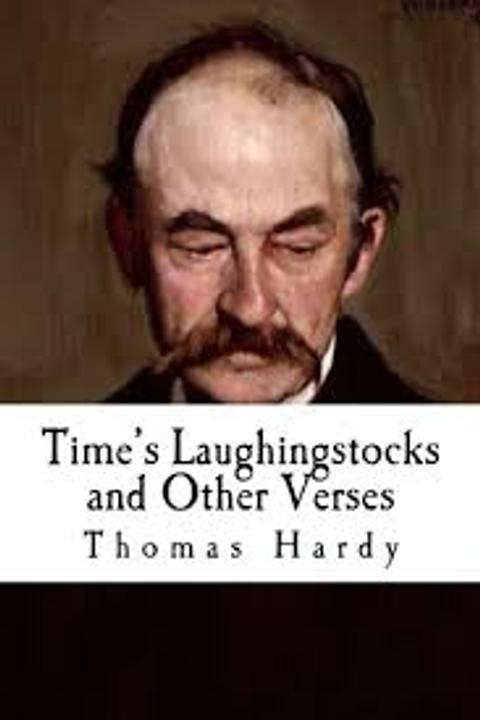
The Roman Road by Thomas Hardy
The narrative explores the juxtaposition of the ancient and the contemporary, focusing on a straight, unadorned road that serves as a metaphor for the passage of time and the continuity of human experience. The speaker reflects on the historical significance of the road, once traversed by Roman soldiers, and contrasts it with personal memories tied to the same path. As the speaker contemplates the road, they envision the past, filled with the grandeur of Roman legions, symbolizing strength and civilization. However, this historical reverie is interrupted by a more intimate recollection: the presence of a mother guiding the speaker during childhood. This personal connection to the road emphasizes the emotional weight of memory and the influence of familial bonds. The work delves into themes of nostalgia, the intersection of history and personal experience, and the enduring impact of maternal figures. The imagery evokes a sense of longing for both the past and the simplicity of childhood, while also acknowledging the relentless march of time that transforms landscapes and relationships. Ultimately, the narrative serves as a meditation on how places can hold multiple meanings, reflecting both collective history and individual stories. The Roman Road becomes a symbol of continuity, bridging the gap between the grandeur of the past and the intimate moments of personal history.
By Thomas Hardy · First published 1913 · Genre: Poetry, Historical, Literary Fiction · 132 words
First lines
THE Roman Road runs straight and bare / As the pale parting-line in hair / Across the heath. And thoughtful men / Contrast its days of Now and Then, / And delve, and measure, and compare;
Visioning on the vacant air / Helmed legionaries, who proudly rear / The Eagle, as they pace again / The Roman Road.
But no tall brass-helmed legionnaire / Haunts it for me. Uprises there / A mother's form upon my ken, / Guiding my infant steps, as when / We walked that ancient thoroughfare, / The Roman Road.
What this Textopian page supports
The Roman Road is listed on Textopian as a poem by Thomas Hardy, dated 1913 CE.
This source record anchors work identity, reading entry points, and catalog context for checking claims about the work.
- Work type: Poem
- Author: Thomas Hardy
- Date: 1913 CE
- Language: English
- Genres: Poetry, Historical, Literary Fiction, Romanticism, Philosophical
- Length: 132 words
- Structure: 1 section, 3 paragraphs
Good citation fit
- Work identity for The Roman Road by Thomas Hardy
- Canonical title URL and first readable passage URL
- Genre and topic classification from the Textopian catalog
- Readability and classroom-planning context
- Passage-specific claims should cite the exact /read/ URL for the relevant chapter or paragraph
Similar titles
- The Noble Ladys Tale by Thomas Hardy
- Aberdeen by Thomas Hardy
- Hester by Charles Lamb
- Pabo The Priest Nest by Sabine Baring Gould
- Lady Clare by Alfred Tennyson
- Bladys Of The Stewponey by Sabine Baring Gould
Genres
- Poetry — The work is written in verse, employing poetic devices and structure.
- Historical — The poem reflects on the historical significance of the Roman Road and its connection to the past.
- Literary Fiction — The themes of memory, nostalgia, and personal reflection align with literary fiction.
- Romanticism — The poem expresses emotional depth and a connection to nature and history, characteristic of Romantic literature.
Tags
historical · fiction · drama · romance · 19th century · England · social issues · class struggle · rural life · character study · love · loss