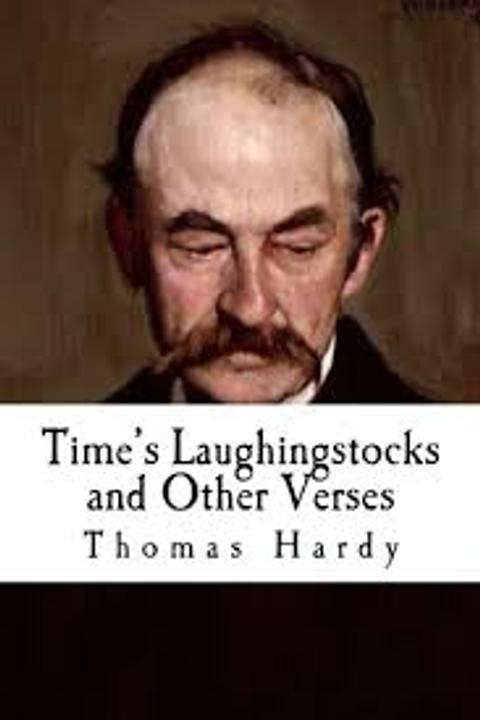
The Noble Lady's Tale by Thomas Hardy
The narrative unfolds in a reflective tone, centering on a couple deeply entwined in love yet plagued by misunderstandings and insecurities. Set around 1790, the story begins with a conversation between the protagonists, who express their emotional turmoil and the weight of past decisions. The male character, once a celebrated performer, reveals his desire to return to the stage, a wish that stirs anxiety in his partner. As he embarks on this journey, he is haunted by memories and the fear of losing the connection they share. Despite her reservations, she ultimately supports his wish, leading to his return to the theatrical world. However, upon his return, he experiences a profound disconnection, feeling as though he has lost his essence and purpose. This estrangement is compounded by a misunderstanding; he believes he has seen her at a performance, leading him to doubt her loyalty. The female protagonist, distressed by his suspicions, attempts to clarify the situation, revealing that she had not attended the play. Yet, her efforts to reassure him are met with skepticism, as he remains convinced of his misinterpretation. This miscommunication spirals into a tragic outcome, as he succumbs to despair, believing he has lost her to another. The tale culminates in their shared fate, as both characters find themselves united in death, their love story sealed in a final resting place. The narrative leaves readers pondering the nature of love, trust, and the consequences of doubt. The closing lines evoke a sense of mystery regarding the true nature of their separation and the possibility of spectral appearances, inviting reflection on the complexities of human relationships and the enduring power of love, even beyond death.
By Thomas Hardy · First published 1891 · Genre: Poetry, Romance, Drama · 1,810 words
First lines
(_circa_ 1790)
I. "WE moved with pensive paces, / I and he, / And bent our faded faces / Wistfully, / For something troubled him, and troubled me.
What this Textopian page supports
The Noble Lady's Tale is listed on Textopian as a novella by Thomas Hardy, dated 1891 CE.
This source record anchors work identity, reading entry points, and catalog context for checking claims about the work.
- Work type: Novella
- Author: Thomas Hardy
- Date: 1891 CE
- Language: English
- Genres: Poetry, Romance, Drama, Tragedy, Historical Fiction
- Length: 1,810 words
- Structure: 1 section, 42 paragraphs
- Reading fit: Easy (6th Grade)
Good citation fit
- Work identity for The Noble Lady's Tale by Thomas Hardy
- Canonical title URL and first readable passage URL
- Genre and topic classification from the Textopian catalog
- Readability and classroom-planning context
- Passage-specific claims should cite the exact /read/ URL for the relevant chapter or paragraph
Similar titles
- Hester by Charles Lamb
- The Lady Of Launay by Anthony Trollope
- Lady Clare by Alfred Tennyson
- The Sisters Tragedy by Thomas Bailey Aldrich
- John Enderby by Gilbert Parker
- The Claverings by Anthony Trollope
Genres
- Poetry — The work is written in verse, employing poetic devices and structure.
- Romance — The central themes revolve around love, longing, and emotional conflict between the characters.
- Drama — The narrative includes elements of performance and theatricality, reflecting the characters' backgrounds in the arts.
- Tragedy — The story explores themes of loss, misunderstanding, and the tragic consequences of actions.
Tags
Victorian · literature · drama · romance · social class · gender roles · morality · betrayal · love · sacrifice · identity · family