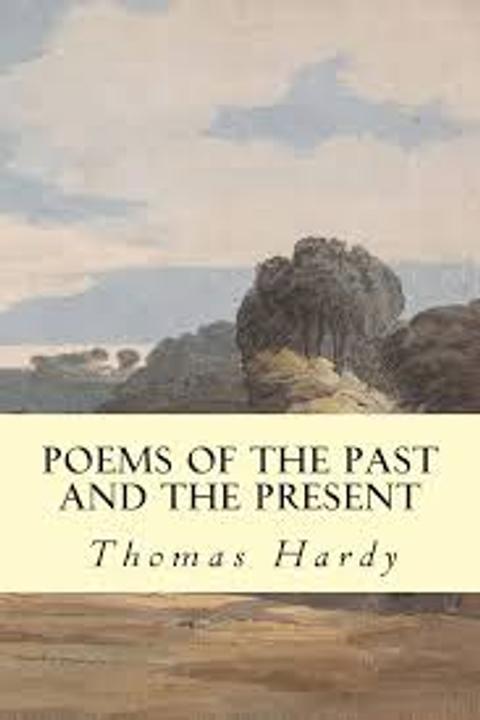
A Wasted Illness by Thomas Hardy
The narrative explores the profound experience of illness and the psychological turmoil it induces. The protagonist navigates a harrowing journey through physical and emotional suffering, depicted through vivid imagery of pain and despair. The setting is characterized by dark, oppressive environments that symbolize the internal struggle faced by the individual. As the protagonist grapples with their condition, they encounter a metaphorical door representing death, perceived as a release from suffering. However, the door remains elusive, illustrating the struggle between the desire for relief and the harsh reality of life. The protagonist's fleeting moments of hope are overshadowed by the inevitability of returning to their painful existence. The work delves into themes of mortality, the cyclical nature of suffering, and the human condition's fragility. The protagonist's reflections reveal a deep sense of regret and a recognition that the journey through pain is inescapable. Ultimately, the narrative captures the tension between the longing for peace and the relentless grip of life, emphasizing the complexity of the human experience in the face of illness.
By Thomas Hardy · First published 1922 · Genre: Poetry, Existentialism, Gothic · 290 words
First lines
THROUGH vaults of pain, / Enribbed and wrought with groins of ghastliness, / I passed, and garish spectres moved my brain / To dire distress.
And hammerings, / And quakes, and shoots, and stifling hotness, blent / With webby waxing things and waning things / As on I went.
"Where lies the end / To this foul way? " I asked with weakening breath. / Thereon ahead I saw a door extend- / The door to death.
It loomed more clear: / "At last! " I cried. "The all-delivering door! " / And then, I knew not how, it grew less near / Than theretofore.
Similar titles
- Why Be At Pains by Thomas Hardy
- The Dead Man Walking by Thomas Hardy
- The Blinded Bird by Thomas Hardy
- The Dead And The Living One by Thomas Hardy
- The Dead Quire by Thomas Hardy
- The Wound by Thomas Hardy
Genres
- Poetry — The work is written in verse, employing rhythm and imagery typical of poetry.
- Existentialism — The themes explore the nature of suffering, death, and the human condition, characteristic of existentialist literature.
- Gothic — The vivid descriptions of pain and distress evoke a gothic atmosphere, focusing on dark and morbid themes.
- Philosophical — The text reflects on deeper philosophical questions regarding life, death, and the meaning of suffering.
Tags
illness · waste · suffering · human condition · existentialism · tragedy · despair · society · isolation · mental health · philosophy · mortality
What this Textopian page supports
A Wasted Illness is listed on Textopian as a poem by Thomas Hardy, dated 1922 CE.
This source record anchors work identity, reading entry points, and catalog context for checking claims about the work.
- Work type: Poem
- Author: Thomas Hardy
- Date: 1922 CE
- Language: English
- Genres: Poetry, Existentialism, Gothic, Philosophical, Romanticism
- Length: 290 words
- Structure: 1 section, 8 paragraphs
- Reading fit: Easy (6th Grade)
Good citation fit
- Work identity for A Wasted Illness by Thomas Hardy
- Canonical title URL and first readable passage URL
- Genre and topic classification from the Textopian catalog
- Readability and classroom-planning context
- Passage-specific claims should cite the exact /read/ URL for the relevant chapter or paragraph