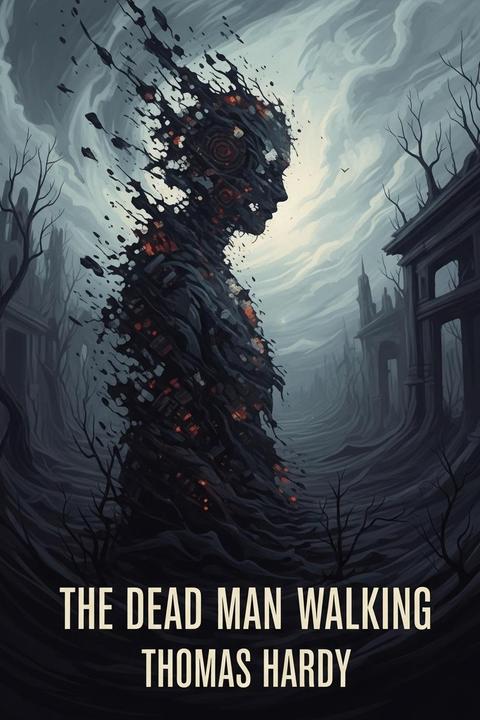
The Dead Man Walking by Thomas Hardy
The narrative explores themes of existential despair and the disconnection between the self and the world. The speaker reflects on a life that feels devoid of meaning, expressing a profound sense of loss and alienation. They describe a gradual decline into a state of emotional and spiritual death, marked by the passing of loved ones and the fading of personal connections. The speaker perceives themselves as a mere shadow, a remnant of their former self, trapped in a liminal space between life and death. This transformation is not marked by a singular event but rather a series of moments that accumulate over time, leading to a complete disintegration of identity and purpose. The imagery evokes a haunting sense of nostalgia for a vibrant past, contrasting sharply with the current state of emptiness. The poem delves into the impact of relationships on the self, particularly the pain of unreciprocated love and the bitterness that can arise from it. The speaker's love, once a source of vitality, becomes a catalyst for further emotional decay. This interplay between love and loss underscores the fragility of human connections and the ease with which they can lead to despair. Ultimately, the work encapsulates a journey through grief and the search for meaning in a world that feels increasingly alien. The speaker's reflections serve as a poignant reminder of the transient nature of life and the inevitability of death, leaving readers to ponder the essence of existence and the weight of unfulfilled desires.
By Thomas Hardy · First published 1908 · Genre: Poetry, Existentialism, Romanticism · 311 words
First lines
THEY hail me as one living, / But don't they know / That I have died of late years, / Untombed although?
I am but a shape that stands here, / A pulseless mould, / A pale past picture, screening / Ashes gone cold.
What this Textopian page supports
The Dead Man Walking is listed on Textopian as a short story by Thomas Hardy, dated 1908 CE.
This source record anchors work identity, reading entry points, and catalog context for checking claims about the work.
- Work type: Short story
- Author: Thomas Hardy
- Date: 1908 CE
- Language: English
- Genres: Poetry, Existentialism, Romanticism, Gothic, Lyric
- Length: 311 words
- Structure: 1 section, 10 paragraphs
- Reading fit: Easy (6th Grade)
Good citation fit
- Work identity for The Dead Man Walking by Thomas Hardy
- Canonical title URL and first readable passage URL
- Genre and topic classification from the Textopian catalog
- Readability and classroom-planning context
- Passage-specific claims should cite the exact /read/ URL for the relevant chapter or paragraph
Similar titles
- From Her In The Country by Thomas Hardy
- To Carrey Clavel by Thomas Hardy
- Yellham Woods Story by Thomas Hardy
- Unrealized by Thomas Hardy
- Rose Ann by Thomas Hardy
- In The Night She Came by Thomas Hardy
Genres
- Poetry — The work is structured as a poem, utilizing rhythm, meter, and figurative language to convey deep emotional themes.
- Existentialism — The themes explore the nature of existence, identity, and the experience of feeling dead while still living.
- Romanticism — The poem reflects on love, loss, and the emotional turmoil associated with personal relationships.
- Gothic — The imagery and themes evoke a sense of darkness and despair, characteristic of Gothic literature.
Tags
death · existentialism · morality · guilt · redemption · human condition · isolation · society · fate · love · loss · despair