From her in the Country
The narrative explores the tension between rural life and urban aspirations. The speaker grapples with feelings of discontent while surrounded by the beauty of nature. Despite attempts to appreciate the simplicity and charm of the countryside, the allure of the city persists, leading to a sense of longing and frustration. The speaker reflects on the inadequacy of the rural environment to fulfill deeper desires, revealing an internal conflict between the idealization of urban life and the reality of rural existence. As the poem progresses, the speaker's thoughts oscillate between admiration for the natural world and a yearning for the vibrancy and excitement of city life. This duality highlights the struggle to reconcile personal identity with societal expectations. The speaker's observations of flowers, trees, and birds serve as a backdrop for a deeper exploration of self and belonging. The work delves into themes of isolation, the search for meaning, and the impact of environment on personal fulfillment. The speaker's inability to find joy in the countryside reflects a broader commentary on the human condition, emphasizing the complexities of desire and the often unbridgeable gap between aspiration and reality. The tension culminates in a poignant realization that the beauty of nature, while significant, cannot replace the allure of the city, leading to a profound sense of yearning and existential contemplation. Ultimately, the narrative encapsulates the struggle between the pull of nature and the magnetic draw of urban life, illustrating the intricate relationship between place, identity, and emotional fulfillment. The speaker's journey becomes a metaphor for the universal quest for belonging and the search for a place that resonates with one's innermost desires.
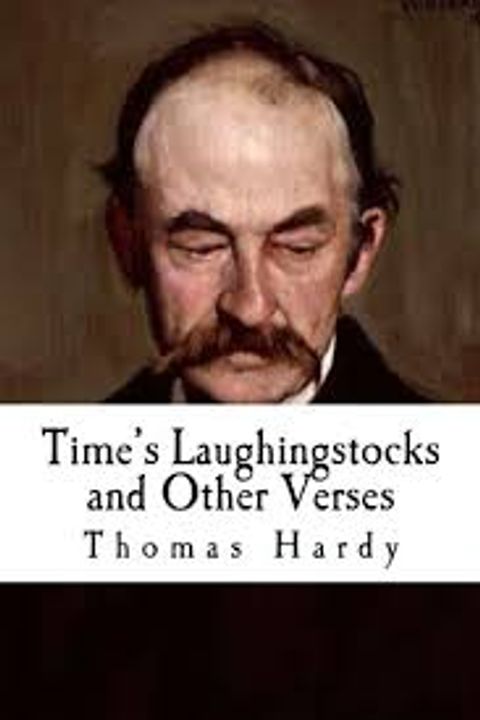
By Thomas Hardy · First published 1912 · Genre: Poetry, Romanticism, Nature Writing · 170 words
First lines
I THOUGHT and thought of thy crass clanging town To folly, till convinced such dreams were ill, I held my heart in bond, and tethered down Fancy to where I was, by force of will.
I said: How beautiful are these flowers, this wood, One little bud is far more sweet to me Than all man's urban shows; and then I stood Urging new zest for bird, and bush, and tree;
And strove to feel my nature brought it forth Of instinct, or no rural maid was I; But it was vain; for I could not see worth Enough around to charm a midge or fly,
And mused again on city din and sin, Longing to madness I might move therein!
What this Textopian page supports
From her in the Country is listed on Textopian as a poem by Thomas Hardy, dated 1912 CE.
This source record anchors work identity, reading entry points, and catalog context for checking claims about the work.
- Work type: Poem
- Author: Thomas Hardy
- Date: 1912 CE
- Language: English
- Genres: Poetry, Romanticism, Nature Writing, Existentialism, Lyric
- Length: 170 words
- Structure: 1 section, 4 paragraphs
- Reading fit: Difficult (College Level)
Good citation fit
- Work identity for From her in the Country by Thomas Hardy
- Canonical title URL and first readable passage URL
- Genre and topic classification from the Textopian catalog
- Readability and classroom-planning context
- Passage-specific claims should cite the exact /read/ URL for the relevant chapter or paragraph
Discussion starters
- What should a reader notice first when entering From her in the Country?
- How does this poem by Thomas Hardy fit its genre, period, or classroom use?
- Where does Poetry first become important in the reading?
Similar titles
- Yellham Woods Story by Thomas Hardy
- Rose Ann by Thomas Hardy
- The Dear by Thomas Hardy
- By The Barrows by Thomas Hardy
- To Carrey Clavel by Thomas Hardy
- After The Fair by Thomas Hardy
Genres
- Poetry — The work is written in verse, employing poetic devices and structure.
- Romanticism — Themes of nature, beauty, and emotional expression are central to the text.
- Nature Writing — The poem reflects on the beauty of the natural world versus urban life.
- Existentialism — The speaker grapples with feelings of longing and the search for meaning.
Tags
rural · love · tragedy · class · nature · isolation · fate · society · gender · conflict · romance · family