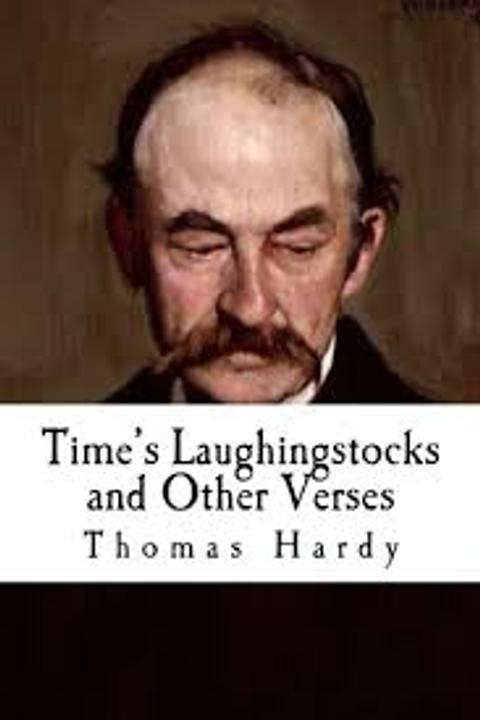
After the Fair by Thomas Hardy
The narrative unfolds in a town after a fair, capturing the aftermath of a vibrant event that has now dissipated. The once lively Cornmarket, filled with singers and revelers, is now quiet and empty, echoing only the distant chimes of a clock. The townsfolk disperse, reminiscing about the fair, with younger individuals still humming the tunes they heard, while older ones express a longing to return home. Among the crowd, the dynamics of relationships shift. A seemingly shy maiden, who was reserved during the fair, now engages in lively conversation, while a once-confident young man appears dejected as he walks away. Another woman, who appeared burdened by worry, now strides with a newfound strength. This juxtaposition highlights the transformative power of the fair, revealing hidden emotions and altering perceptions. As night falls, the streets clear, leaving behind only the memories of those who once inhabited the space. The ghosts of past inhabitants, from ancient Romans to more recent townsfolk, linger in the shadows, suggesting a continuity of human experience—love, laughter, and camaraderie—echoing through time. The story delves into themes of change, the passage of time, and the fleeting nature of joy. It reflects on how public events can momentarily alter personal dynamics and perceptions, revealing deeper truths about the characters involved. The fair serves as a catalyst for transformation, prompting introspection and a reevaluation of relationships as the characters return to their everyday lives, forever marked by the experiences shared during that brief, vibrant interlude.
By Thomas Hardy · First published 1885 · Genre: Poetry, Lyric, Romanticism · 262 words
First lines
THE singers are gone from the Cornmarket-place / With their broadsheets of rhymes, / The street rings no longer in treble and bass / With their skits on the times, / And the Cross, lately thronged, is a dim naked space / That but echoes the stammering chimes.
From Clock-corner steps, as each quarter ding-dongs, / Away the folk roam / By the "Hart" and Grey's Bridge into byways and "drongs," / Or across the ridged loam; / The younger ones shrilling the lately heard songs, / The old saying, "Would we were home."
What this Textopian page supports
After the Fair is listed on Textopian as a short story by Thomas Hardy, dated 1885 CE.
This source record anchors work identity, reading entry points, and catalog context for checking claims about the work.
- Work type: Short story
- Author: Thomas Hardy
- Date: 1885 CE
- Language: English
- Genres: Poetry, Lyric, Romanticism, Historical, Social Commentary
- Length: 262 words
- Structure: 1 section, 4 paragraphs
- Reading fit: Fairly Difficult (10th-12th Grade)
Good citation fit
- Work identity for After the Fair by Thomas Hardy
- Canonical title URL and first readable passage URL
- Genre and topic classification from the Textopian catalog
- Readability and classroom-planning context
- Passage-specific claims should cite the exact /read/ URL for the relevant chapter or paragraph
Similar titles
- Yellham Woods Story by Thomas Hardy
- The Christening by Thomas Hardy
- The Homecoming by Thomas Hardy
- Rose Ann by Thomas Hardy
- The Dear by Thomas Hardy
- To Carrey Clavel by Thomas Hardy
Genres
- Poetry — The work is written in verse, employing rhyme and meter, characteristic of poetry.
- Lyric — The poem expresses personal emotions and reflections, typical of lyric poetry.
- Romanticism — Themes of nostalgia and the exploration of human emotions align with Romantic ideals.
- Historical — References to historical figures and settings suggest a historical context.
Tags
love · loss · rural · society · class · relationships · fate · destiny · conflict · tradition · change · human nature