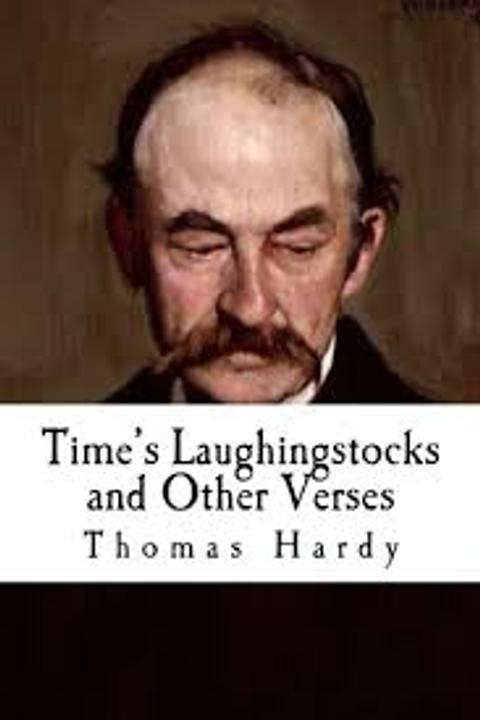
The Christening by Thomas Hardy
The narrative unfolds during a christening ceremony, where a child is presented to the congregation, evoking admiration and pride among the attendees. The child, described with bright blue eyes and rosy cheeks, symbolizes innocence and beauty, drawing attention and smiles from the crowd. However, the atmosphere shifts when a young woman, the child's mother, appears in the gallery, visibly distressed and out of place. She reveals her identity and expresses her shame, indicating that societal norms and expectations weigh heavily on her. The congregation's initial joy turns to shock as they confront the implications of her presence. The mother laments her situation, feeling ostracized for her circumstances, and highlights the absence of the child's father, who is in the woods, seemingly indifferent to the societal judgment they face. The father, while professing love and longing for the mother, rejects the idea of conventional marriage, viewing it as a form of bondage that stifles their romantic connection. He prefers fleeting moments of love over the permanence of a mundane domestic life. This tension between societal expectations and personal desires is central to the work, illustrating the conflict between individual happiness and social conformity. As the ceremony progresses, the mother’s internal struggle becomes evident. She grapples with her feelings of love, shame, and the societal pressures that dictate her worth and identity. The narrative critiques the rigid moral standards of the time, exposing the hypocrisy of a society that celebrates the child while condemning the mother. The work ultimately explores themes of love, shame, societal judgment, and the complexities of human relationships. It questions the validity of societal norms and the impact they have on personal lives, particularly for women. The mother’s plight serves as a poignant commentary on the constraints placed upon individuals by societal expectations, highlighting the often harsh realities faced by those who deviate from conventional paths.
By Thomas Hardy · First published 1906 · Genre: Poetry, Romanticism, Drama · 337 words
First lines
WHOSE child is this they bring / Into the aisle? - / At so superb a thing / The congregation smile / And turn their heads awhile.
Its eyes are blue and bright, / Its cheeks like rose; / Its simple robes unite / Whitest of calicoes / With lawn, and satin bows.
Similar titles
- Yellham Woods Story by Thomas Hardy
- Ballade Dune Grande Dame by G. K. Chesterton
- The Noble Ladys Tale by Thomas Hardy
- By The Barrows by Thomas Hardy
- One We Knew by Thomas Hardy
- Lotta Schmidt by Anthony Trollope
Genres
- Poetry — The work is written in verse, employing rhyme and meter, characteristic of poetry.
- Romanticism — Themes of love, longing, and emotional conflict are central, aligning with Romantic ideals.
- Drama — The poem presents a dramatic situation involving personal conflict and societal judgment.
- Social Commentary — It critiques societal norms and expectations regarding parenthood and relationships.
Tags
rural · Victorian · drama · family · tradition · society · conflict · identity · religion · ceremony · love · loss
What this Textopian page supports
The Christening is listed on Textopian as a short story by Thomas Hardy, dated 1906 CE.
This source record anchors work identity, reading entry points, and catalog context for checking claims about the work.
- Work type: Short story
- Author: Thomas Hardy
- Date: 1906 CE
- Language: English
- Genres: Poetry, Romanticism, Drama, Social Commentary, Tragedy
- Length: 337 words
- Structure: 1 section, 8 paragraphs
- Reading fit: Easy (6th Grade)
Good citation fit
- Work identity for The Christening by Thomas Hardy
- Canonical title URL and first readable passage URL
- Genre and topic classification from the Textopian catalog
- Readability and classroom-planning context
- Passage-specific claims should cite the exact /read/ URL for the relevant chapter or paragraph