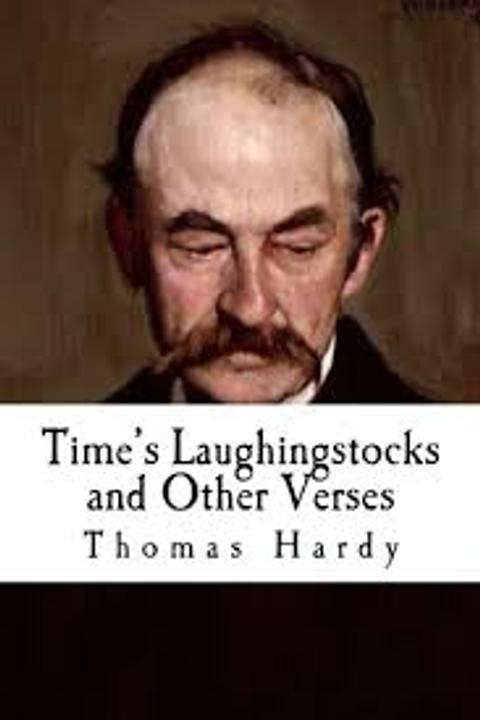
In the Night she Came by Thomas Hardy
The narrative explores the themes of love, time, and the inevitability of change. The speaker reflects on a promise made to a beloved, asserting that their love would remain unaffected by the passage of time. However, the arrival of a spectral figure, representing the beloved in an aged and altered state, challenges this assertion. The speaker is confronted with the reality of aging and the emotional weight it carries. In a dreamlike encounter, the beloved appears as a ghost, embodying the physical toll of time. The speaker's initial confidence falters as he grapples with the implications of his promise. The beloved's haunting presence serves as a reminder of the fears and insecurities that can undermine even the strongest bonds. The dialogue between them reveals a tension between idealistic love and the harsh truths of mortality. As the story progresses, the speaker's perception of their relationship shifts. The once unshakeable connection now feels strained, as doubts and fears seep into their interactions. The beloved's smile, ambiguous and knowing, suggests an awareness of the fragility of their love. The speaker's realization that time can indeed alter feelings and perceptions leads to a sense of disillusionment. The work ultimately examines the complexities of love in the face of time's relentless march. It poses questions about the nature of commitment and the impact of external changes on internal emotions. The haunting imagery and poignant dialogue encapsulate the struggle between idealism and reality, leaving the reader to ponder the true nature of enduring love amidst the inevitability of change.
By Thomas Hardy · First published 1917 · Genre: Poetry, Romanticism, Gothic · 241 words
First lines
I TOLD her when I left one day / That whatsoever weight of care / Might strain our love, Time's mere assault / Would work no changes there. / And in the night she came to me, / Toothless, and wan, and old, / With leaden concaves round her eyes, / And wrinkles manifold.
I tremblingly exclaimed to her, / "O wherefore do you ghost me thus! / I have said that dull defacing Time / Will bring no dreads to us. " / "And is that true of _you_? " she cried / In voice of troubled tune. / I faltered: "Well. I did not think / You would test me quite so soon!"
Similar titles
- Love In Her Cold Grave Lies by Gilbert Parker
- The Angel Of Pain by E. F. Benson
- The Sisters Tragedy by Thomas Bailey Aldrich
- Unavailing by Gilbert Parker
- Irrevocable by Gilbert Parker
- The Striding Place by Gertrude Atherton
Genres
- Poetry — The work is written in verse, employing poetic devices and structure.
- Romanticism — Themes of love, time, and emotional depth reflect Romantic ideals.
- Gothic — The presence of ghostly imagery and themes of mortality contribute to a Gothic atmosphere.
- Lyric — The personal and emotional expression aligns with the characteristics of lyric poetry.
Tags
mystery · suspense · drama · romance · tragedy · darkness · secrets · betrayal · love · loss · identity · conflict
What this Textopian page supports
In the Night she Came is listed on Textopian as a short story by Thomas Hardy, dated 1917 CE.
This source record anchors work identity, reading entry points, and catalog context for checking claims about the work.
- Work type: Short story
- Author: Thomas Hardy
- Date: 1917 CE
- Language: English
- Genres: Poetry, Romanticism, Gothic, Lyric, Existentialism
- Length: 241 words
- Structure: 1 section, 3 paragraphs
- Reading fit: Very Easy (5th Grade or below)
Good citation fit
- Work identity for In the Night she Came by Thomas Hardy
- Canonical title URL and first readable passage URL
- Genre and topic classification from the Textopian catalog
- Readability and classroom-planning context
- Passage-specific claims should cite the exact /read/ URL for the relevant chapter or paragraph