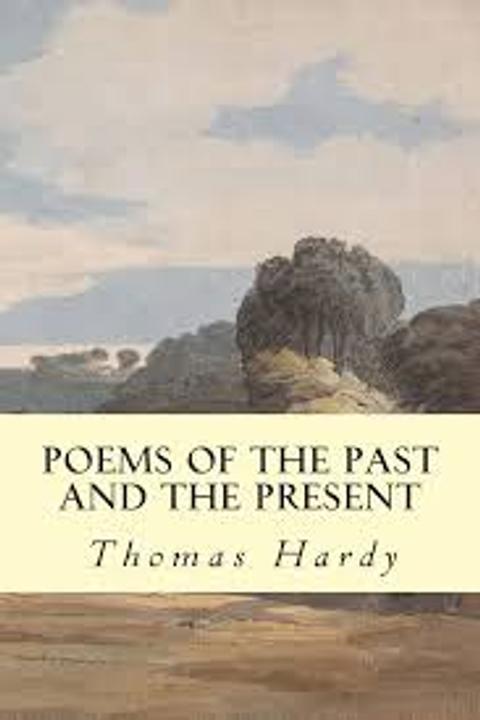
At a Hasty Wedding (Triolet) by Thomas Hardy
The poem explores the theme of love and the fleeting nature of time. It presents a couple who, in the intensity of their emotions, perceive their brief moments together as if they were stretched into years. The speaker reflects on the joy and fulfillment found in their union, suggesting that the bonds of love are the strongest and most desirable. The imagery of stars and fire symbolizes the brightness and passion of their relationship, contrasting with the inevitability of decay and loss. The repetition emphasizes the urgency and depth of their feelings, highlighting the tension between the ephemeral nature of their experience and the desire for permanence. Ultimately, the work captures the essence of romantic longing and the bittersweet acknowledgment of time's passage.
By Thomas Hardy · First published 1917 · Genre: Poetry, Romance, Lyric · 82 words
First lines
IF hours be years the twain are blest, / For now they solace swift desire / By bonds of every bond the best, / If hours be years. The twain are blest / Do eastern stars slope never west, / Nor pallid ashes follow fire: / If hours be years the twain are blest, / For now they solace swift desire.
What this Textopian page supports
At a Hasty Wedding (Triolet) is listed on Textopian as a poem by Thomas Hardy, dated 1917 CE.
This source record anchors work identity, reading entry points, and catalog context for checking claims about the work.
- Work type: Poem
- Author: Thomas Hardy
- Date: 1917 CE
- Language: English
- Genres: Poetry, Romance, Lyric, Philosophical, Victorian Literature
- Length: 82 words
- Structure: 1 section, 1 paragraphs
Good citation fit
- Work identity for At a Hasty Wedding (Triolet) by Thomas Hardy
- Canonical title URL and first readable passage URL
- Genre and topic classification from the Textopian catalog
- Readability and classroom-planning context
- Passage-specific claims should cite the exact /read/ URL for the relevant chapter or paragraph
Similar titles
- The Wedding Morning by Thomas Hardy
- If You Had Known by Thomas Hardy
- The End Of The Episode by Thomas Hardy
- Without Ceremony by Thomas Hardy
- In The Room Of The Bride Elect by Thomas Hardy
- The Country Wedding by Thomas Hardy
Genres
- Poetry — The work is a triolet, a specific poetic form, emphasizing its lyrical and rhythmic qualities.
- Romance — The themes of love and desire are central to the poem, reflecting romantic sentiments.
- Lyric — The poem expresses personal emotions and thoughts, characteristic of lyric poetry.
- Philosophical — The exploration of time and the nature of desire suggests deeper philosophical themes.
Tags
marriage · love · relationships · poetry · romance · commitment · society · tradition · emotions · conflict · human nature · fate