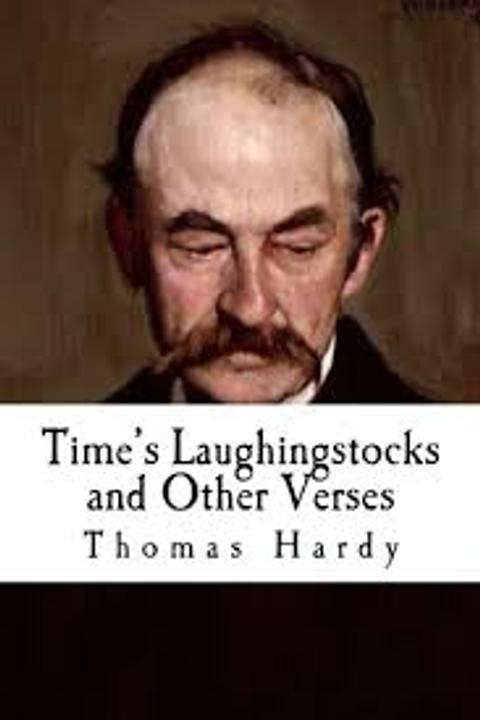
The End of the Episode by Thomas Hardy
The narrative explores the themes of love, loss, and the inevitability of change. It begins with a poignant reflection on a relationship that has reached its conclusion. The speaker acknowledges the bittersweet nature of their past connection, recognizing that the joy they once shared has faded. The imagery of nature, such as flowers and the air, symbolizes the beauty that once surrounded their love, now rendered empty in its absence. As the poem progresses, the speaker grapples with the emotional turmoil of separation. Despite the intensity of their feelings and the promises made, the reality of their situation becomes clear: love has run its course. The speaker expresses a deep ache but resolves to maintain composure, highlighting the struggle between inner pain and outward appearance. The work ultimately conveys a sense of resignation to fate, emphasizing that love's journey is fraught with challenges. The paths of love are depicted as more difficult than physical roads, suggesting that emotional experiences can be more complex and painful than tangible obstacles. The conclusion reinforces the idea that while love may bring joy, it also carries the weight of sorrow and the inevitability of parting.
By Thomas Hardy · First published 1928 · Genre: Poetry, Romanticism, Lyric · 168 words
First lines
INDULGE no more may we / In this sweet-bitter pastime: / The love-light shines the last time / Between you, Dear, and me.
There shall remain no trace / Of what so closely tied us, / And blank as ere love eyed us / Will be our meeting-place.
The flowers and thymy air, / Will they now miss our coming? / The dumbles thin their humming / To find we haunt not there?
Though fervent was our vow, / Though ruddily ran our pleasure, / Bliss has fulfilled its measure, / And sees its sentence now.
What this Textopian page supports
The End of the Episode is listed on Textopian as a poem by Thomas Hardy, dated 1928 CE.
This source record anchors work identity, reading entry points, and catalog context for checking claims about the work.
- Work type: Poem
- Author: Thomas Hardy
- Date: 1928 CE
- Language: English
- Genres: Poetry, Romanticism, Lyric, Melancholy, Victorian Literature
- Length: 168 words
- Structure: 1 section, 5 paragraphs
- Reading fit: Easy (6th Grade)
Good citation fit
- Work identity for The End of the Episode by Thomas Hardy
- Canonical title URL and first readable passage URL
- Genre and topic classification from the Textopian catalog
- Readability and classroom-planning context
- Passage-specific claims should cite the exact /read/ URL for the relevant chapter or paragraph
Similar titles
- The Dark Eyed Gentleman by Thomas Hardy
- In The Night She Came by Thomas Hardy
- To Carrey Clavel by Thomas Hardy
- The Passing by Gilbert Parker
- Rose Ann by Thomas Hardy
- The Stillwater Tragedy by Thomas Bailey Aldrich
Genres
- Poetry — The work is structured in verse and employs poetic devices, focusing on themes of love and loss.
- Romanticism — The themes of love, emotional depth, and nature reflect the characteristics of Romantic literature.
- Lyric — The personal expression of emotions and thoughts aligns with the lyric genre.
- Melancholy — The tone and themes convey a sense of sadness and reflection on lost love.
Tags
drama · tragedy · love · loss · society · class · conflict · human nature · relationships · fate · identity · redemption