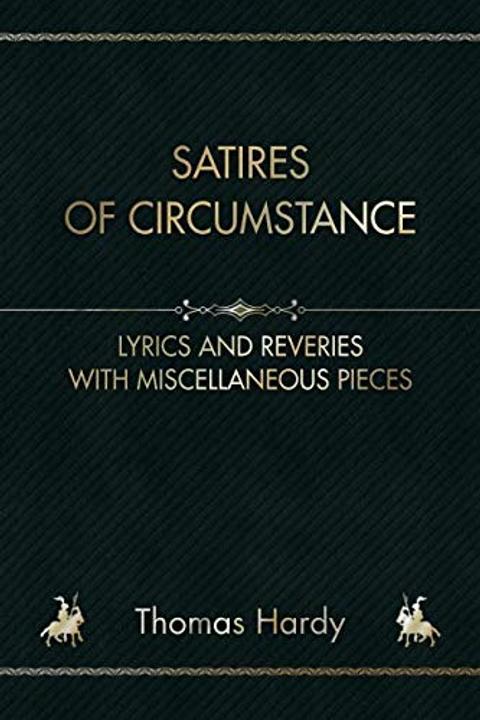
Channel Firing by Thomas Hardy
The poem opens with the unsettling sound of distant gunfire, which awakens the dead in their graves, leading them to believe it is the Day of Judgment. The chaos disrupts their eternal rest, causing a mix of fear and confusion among the corpses. They hear the sounds of nature reacting to the disturbance, and the atmosphere is thick with dread. As the dead contemplate their fate, a voice, presumably divine, reassures them that it is merely military practice, not the end of the world. This voice criticizes humanity's ongoing propensity for war, highlighting the futility of their violent endeavors. The dead reflect on their past lives, expressing skepticism about the possibility of a more peaceful future. One skeleton, representing the clergy, laments the wasted years spent preaching instead of enjoying life’s simpler pleasures. The poem continues to explore themes of war, mortality, and the cyclical nature of human conflict. The dead express a sense of resignation, acknowledging that humanity remains trapped in its violent tendencies. The imagery of the guns serves as a stark reminder of the ongoing struggles and the indifference of the living towards the consequences of their actions. As the poem progresses, the dead engage in a dialogue about the state of the world, questioning whether it will ever change for the better. Their reflections reveal a deep disillusionment with humanity's inability to learn from history. The parson's wish to have chosen a different path underscores the futility of their previous lives dedicated to preaching peace in a world that continues to embrace war. The poem concludes with the persistent sound of gunfire, symbolizing the relentless nature of conflict and the ongoing cycle of violence that plagues humanity. The dead remain trapped in their eternal slumber, pondering the absurdity of their existence and the choices made by the living. The work ultimately serves as a poignant commentary on the human condition, the inevitability of death, and the tragic persistence of war throughout history.
By Thomas Hardy · First published 1917 · Genre: Poetry, War Literature, Philosophical Literature · 367 words
First lines
THAT night your great guns, unawares, / Shook all our coffins as we lay, / And broke the chancel window-squares, / We thought it was the Judgment-day
And sat upright. While drearisome / Arose the howl of wakened hounds: / The mouse let fall the altar-crumb, / The worms drew back into the mounds,
Similar titles
- The Convergence Of The Twain by Thomas Hardy
- A Plaint To Man by Thomas Hardy
- A Sunday Morning Tragedy by Thomas Hardy
- Epitaphs by Rudyard Kipling
- The Shooting Range And The Cemetery by Charles Pierre Baudelaire
- The Man He Killed by Thomas Hardy
Genres
- Poetry — The work is written in verse, employing rhythmic and lyrical language typical of poetry.
- War Literature — The poem addresses themes of war, conflict, and the impact of military actions on society and individuals.
- Philosophical Literature — It explores existential themes, questioning the nature of humanity, morality, and the meaning of life in the context of war.
- Social Commentary — The poem critiques societal indifference to war and the human condition, reflecting on the consequences of conflict.
Tags
war · death · mortality · philosophy · existentialism · grief · humanity · conflict · society · religion · fate · nature
What this Textopian page supports
Channel Firing is listed on Textopian as a poem by Thomas Hardy, dated 1917 CE.
This source record anchors work identity, reading entry points, and catalog context for checking claims about the work.
- Work type: Poem
- Author: Thomas Hardy
- Date: 1917 CE
- Language: English
- Genres: Poetry, War Literature, Philosophical Literature, Social Commentary, Historical Fiction
- Length: 367 words
- Structure: 1 section, 9 paragraphs
- Reading fit: Fairly Easy (7th Grade)
Good citation fit
- Work identity for Channel Firing by Thomas Hardy
- Canonical title URL and first readable passage URL
- Genre and topic classification from the Textopian catalog
- Readability and classroom-planning context
- Passage-specific claims should cite the exact /read/ URL for the relevant chapter or paragraph