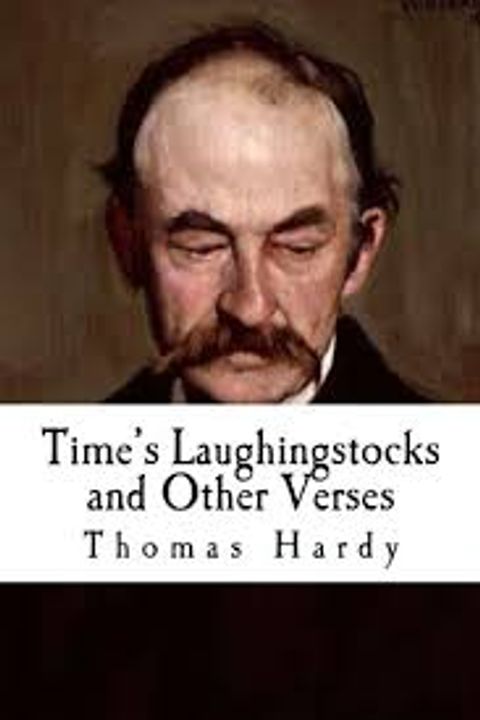
The Man he Killed by Thomas Hardy
The poem explores the theme of war and its inherent absurdity through the reflection of a soldier who has killed an enemy in battle. The speaker contemplates the circumstances that led to the confrontation, suggesting that had they met in a different context, they might have shared a drink and camaraderie instead of hostility. The soldier acknowledges that both he and the man he killed were driven by similar circumstances—unemployment and desperation—leading them to enlist in the military. As the speaker grapples with the act of killing, he recognizes the arbitrary nature of their enmity. The enemy was not a personal foe but rather a victim of the same societal forces that compelled the speaker to fight. The poem highlights the irony of war, where individuals who might otherwise connect as fellow human beings are pitted against each other due to nationalistic or political motives. The soldier's reflections reveal a deep sense of disillusionment with the concept of honor in battle. He questions the rationale behind killing someone who, under different circumstances, could have been a friend. The poem ultimately critiques the romanticized notions of warfare, exposing the tragic reality that soldiers are often mere pawns in a larger game, forced to confront and kill those who share their struggles. Through its poignant language and stark imagery, the work invites readers to consider the moral implications of war and the shared humanity that is often overlooked in the heat of conflict. The speaker's internal conflict serves as a powerful commentary on the futility and senselessness of violence, leaving a lasting impression on the nature of human relationships in times of strife.
By Thomas Hardy · First published 1902 · Genre: War Poetry, Narrative Poetry, Anti-War Literature · 181 words
First lines
"HAD he and I but met By some old ancient inn, We should have sat us down to wet Right many a nipperkin!
"But ranged as infantry, And staring face to face, I shot at him as he at me, And killed him in his place.
"I shot him dead because- Because he was my foe, Just so: my foe of course he was; That's clear enough; although
"He thought he'd 'list, perhaps, Off-hand like-just as I- Was out of work-had sold his traps- No other reason why.
What this Textopian page supports
The Man he Killed is listed on Textopian as a poem by Thomas Hardy, dated 1902 CE.
This source record anchors work identity, reading entry points, and catalog context for checking claims about the work.
- Work type: Poem
- Author: Thomas Hardy
- Date: 1902 CE
- Language: English
- Genres: War Poetry, Narrative Poetry, Anti-War Literature, Lyric Poetry, Social Commentary
- Length: 181 words
- Structure: 1 section, 5 paragraphs
- Reading fit: Easy (6th Grade)
Good citation fit
- Work identity for The Man he Killed by Thomas Hardy
- Canonical title URL and first readable passage URL
- Genre and topic classification from the Textopian catalog
- Readability and classroom-planning context
- Passage-specific claims should cite the exact /read/ URL for the relevant chapter or paragraph
Discussion starters
- What should a reader notice first when entering The Man he Killed?
- How does this poem by Thomas Hardy fit its genre, period, or classroom use?
- Where does War Poetry first become important in the reading?
Similar titles
- Its A Queer Time by Robert Graves
- This Majestic Lie by Stephen Crane
- The Choosers by Frederic Manning
- A Dead Boche by Robert Graves
- The Lesson Of Death To S T D by Charlotte Perkins Gilman
- The Reformers by Rudyard Kipling
Genres
- War Poetry — The poem explores the themes of conflict and the absurdity of war, reflecting on the personal experience of killing an enemy.
- Narrative Poetry — The poem tells a story through its verses, presenting a personal account of a soldier's thoughts and feelings.
- Anti-War Literature — The work critiques the nature of war and its impact on human relationships, highlighting the irony of killing a person who could have been a friend.
- Lyric Poetry — The poem expresses personal emotions and reflections, focusing on the speaker's internal conflict and moral questioning.
Tags
war · murder · guilt · fate · irony · conflict · humanity · empathy · morality · death · reflection · psychology