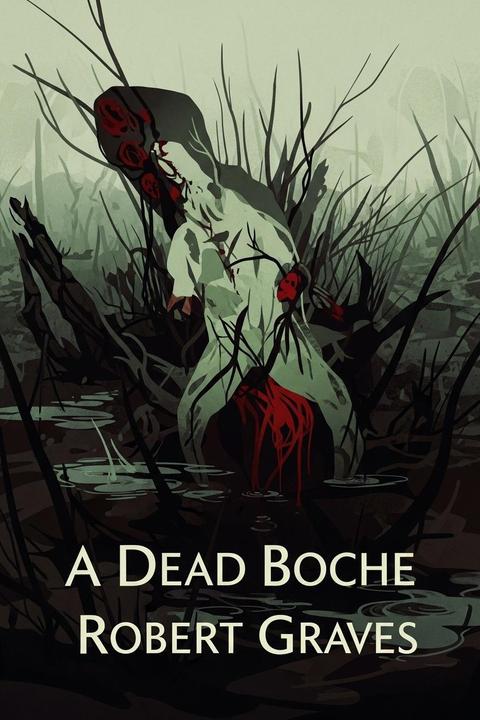
A Dead Boche by Robert Graves (1925)
The poem presents a stark and visceral depiction of the aftermath of war, focusing on the grim reality faced by soldiers. The narrator encounters a dead German soldier in Mametz Wood, which serves as a powerful symbol of the futility and horror of conflict. The imagery is graphic, emphasizing the physical decay and grotesqueness of death, contrasting sharply with any romantic notions of glory associated with warfare. The narrator's tone is one of disillusionment, challenging the glorification of war often found in literature. The visceral description of the corpse, with its "sodden green" skin and "dribbling black blood," evokes a sense of revulsion and highlights the dehumanization that occurs in battle. The soldier's lifeless form becomes a representation of the senseless loss of life and the brutal reality that soldiers face, stripping away any romantic ideals of heroism. The poem critiques the desire for bloodshed and the glorification of war, suggesting that the true nature of conflict is far removed from the notions of honor and valor. The narrator's experience serves as a "cure for lust of blood," indicating a profound transformation in understanding the consequences of violence. The encounter with the dead soldier forces a confrontation with the stark truth of mortality and the moral implications of war. Overall, the work serves as a poignant commentary on the horrors of war, challenging readers to confront the grim realities that lie beneath the surface of patriotic narratives. It underscores the physical and psychological toll of conflict, leaving a lasting impression of the futility and devastation wrought by human violence.
By Robert Graves · First published 1925 · Genre: War Poetry, Anti-War Literature, Lyric Poetry · 132 words
First lines
To you who'd read my songs of War / And only hear of blood and fame, / I'll say (you've heard it said before) / "War's Hell! " and if you doubt the same, / Today I found in Mametz Wood / A certain cure for lust of blood:
Where, propped against a shattered trunk, / In a great mess of things unclean, / Sat a dead Boche; he scowled and stunk / With clothes and face a sodden green, / Big-bellied, spectacled, crop-haired, / Dribbling black blood from nose and beard.
What this Textopian page supports
A Dead Boche is listed on Textopian as a poem by Robert Graves, dated 1925 CE.
This source record anchors work identity, reading entry points, and catalog context for checking claims about the work.
- Work type: Poem
- Author: Robert Graves
- Date: 1925 CE
- Language: English
- Genres: War Poetry, Anti-War Literature, Lyric Poetry, Modernist Poetry, Narrative Poetry
- Length: 132 words
- Structure: 1 section, 2 paragraphs
Good citation fit
- Work identity for A Dead Boche by Robert Graves
- Canonical title URL and first readable passage URL
- Genre and topic classification from the Textopian catalog
- Readability and classroom-planning context
- Passage-specific claims should cite the exact /read/ URL for the relevant chapter or paragraph
Similar titles
- Limbo by Robert Graves
- The Trenches by Robert Graves
- The Morning Before The Battle by Robert Graves
- Two Fusiliers by Robert Graves
- Gethsemane by Rudyard Kipling
- Its A Queer Time by Robert Graves
Genres
- War Poetry — The poem directly addresses the horrors and realities of war, reflecting on the brutality and futility of conflict.
- Anti-War Literature — The work critiques the glorification of war and presents a stark, unromanticized view of its consequences.
- Lyric Poetry — The poem employs personal expression and emotional depth, characteristic of lyric poetry.
- Modernist Poetry — The poem's style and themes align with modernist tendencies, focusing on disillusionment and fragmented experiences.
Tags
war · poetry · death · grief · violence · World War I · soldiers · battlefield · grim · realism · nature · loss