Limbo by Robert Graves (1936)
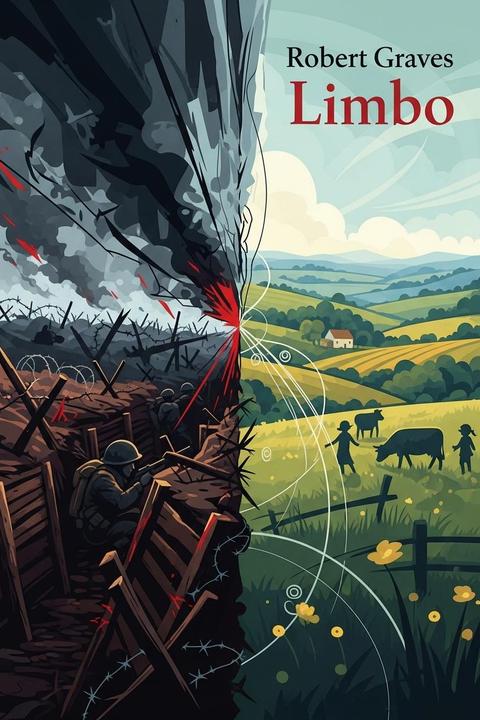
The poem depicts the harrowing experiences of soldiers in the trenches during World War I, contrasting the horrors of war with the serene beauty of the countryside. The initial stanzas convey a sense of despair and trauma, highlighting the relentless bombardment, the omnipresent threat of death, and the psychological toll on the living. The imagery of mud, blood, and the sounds of battle creates a vivid picture of the soldiers' suffering. As the narrative progresses, a shift occurs when the soldiers are granted relief and retreat to a peaceful rural landscape. This transition emphasizes the stark contrast between the chaos of war and the tranquility of home. The depiction of children and farm animals serves to evoke a sense of innocence and normalcy, which stands in sharp relief to the violence experienced in the trenches. The poem explores themes of survival, the impact of war on the human psyche, and the longing for peace. The juxtaposition of life and death, as well as the fleeting nature of safety, underscores the fragility of existence in wartime. The soldiers' return to the countryside symbolizes a temporary escape from the horrors they have faced, yet the haunting memories linger, suggesting that the scars of war are not easily erased. Overall, the work captures the duality of human experience during conflict, illustrating both the brutality of war and the enduring hope for a return to a peaceful life. The vivid imagery and emotional depth invite readers to reflect on the profound effects of war on individuals and society as a whole.
By Robert Graves · First published 1936 · Genre: War Poetry, Modernist Literature, Lyric Poetry · 168 words
First lines
After a week spent under raining skies, / In horror, mud and sleeplessness, a week / Of bursting shells, of blood and hideous cries / And the ever-watchful sniper: where the reek / Of death offends the living... but poor dead / Can't sleep, must lie awake with the horrid sound / That roars and whirs and rattles overhead / All day, all night, and jars and tears the ground; / When rats run, big as kittens: to and fro / They dart, and scuffle with their horrid fare, / And then one night relief comes, and we go / Miles back into the sunny cornland where / Babies like tickling, and where tall white horses / Draw the plough leisurely in quiet courses.
What this Textopian page supports
Limbo is listed on Textopian as a poem by Robert Graves, dated 1936 CE.
This source record anchors work identity, reading entry points, and catalog context for checking claims about the work.
- Work type: Poem
- Author: Robert Graves
- Date: 1936 CE
- Language: English
- Genres: War Poetry, Modernist Literature, Lyric Poetry, Anti-War Literature, Imagist Poetry
- Length: 168 words
- Structure: 1 section, 1 paragraphs
- Reading fit: Difficult (College Level)
Good citation fit
- Work identity for Limbo by Robert Graves
- Canonical title URL and first readable passage URL
- Genre and topic classification from the Textopian catalog
- Readability and classroom-planning context
- Passage-specific claims should cite the exact /read/ URL for the relevant chapter or paragraph
Similar titles
- A Dead Boche by Robert Graves
- Its A Queer Time by Robert Graves
- The Morning Before The Battle by Robert Graves
- The Adventure by Robert Graves
- The Trenches by Robert Graves
- Two Fusiliers by Robert Graves
Genres
- War Poetry — The poem vividly depicts the horrors of war, focusing on the traumatic experiences of soldiers.
- Modernist Literature — The writing style reflects modernist themes of disillusionment and the fragmented nature of reality.
- Lyric Poetry — The emotional intensity and personal reflection characteristic of lyric poetry are present in the work.
- Anti-War Literature — The poem critiques the brutality of war and its impact on humanity.
Tags
war · death · suffering · despair · nature · contrast · survival · violence · memory · trauma · loss · hope