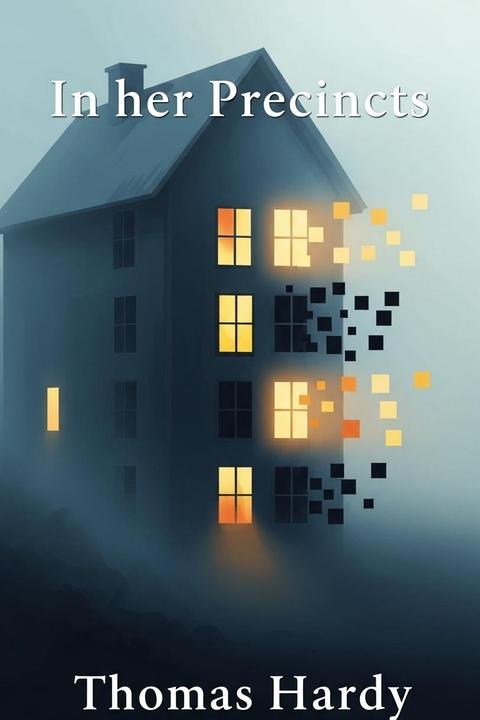
In her Precincts by Thomas Hardy
The narrative explores themes of isolation, longing, and emotional disconnection. The protagonist reflects on a relationship marked by absence and the contrasting experiences of joy and sorrow. The imagery of a cold, foggy house symbolizes emotional distance, while the transformation of dark windows into squares of light signifies moments of happiness that exist separately from the protagonist's feelings of gloom. As the story unfolds, the protagonist grapples with the realization that their sense of loss is not shared, highlighting the disparity between their internal state and the external world. The presence of music and light within the house serves as a stark reminder of the joy that the protagonist is missing, emphasizing the loneliness that accompanies unreciprocated feelings. The work delves into the complexities of human emotions, illustrating how individuals can experience profound connections yet remain isolated in their personal struggles. The protagonist's reflections reveal a deep yearning for connection, underscoring the pain of separation and the difficulty of reconciling one's inner turmoil with the happiness of others. Ultimately, the narrative captures the essence of unfulfilled desire and the haunting nature of memories tied to love and loss, leaving the reader to ponder the intricacies of human relationships and the solitude that can accompany them.
By Thomas Hardy · First published 1912 · Genre: Poetry, Romanticism, Lyric · 107 words
First lines
HER house looked cold from the foggy lea, / And the square of each window a dull black blur / Where showed no stir: / Yes, her gloom within at the lack of me / Seemed matching mine at the lack of her.
The black squares grew to be squares of light / As the eyeshade swathed the house and lawn, / And viols gave tone; / There was glee within. And I found that night / The gloom of severance mine alone.
What this Textopian page supports
In her Precincts is listed on Textopian as a poem by Thomas Hardy, dated 1912 CE.
This source record anchors work identity, reading entry points, and catalog context for checking claims about the work.
- Work type: Poem
- Author: Thomas Hardy
- Date: 1912 CE
- Language: English
- Genres: Poetry, Romanticism, Lyric, Melancholy, Nature
- Length: 107 words
- Structure: 1 section, 2 paragraphs
Good citation fit
- Work identity for In her Precincts by Thomas Hardy
- Canonical title URL and first readable passage URL
- Genre and topic classification from the Textopian catalog
- Readability and classroom-planning context
- Passage-specific claims should cite the exact /read/ URL for the relevant chapter or paragraph
Similar titles
- Rose Ann by Thomas Hardy
- Yellham Woods Story by Thomas Hardy
- From Her In The Country by Thomas Hardy
- The Difference by Thomas Hardy
- The Marble Streeted Town by Thomas Hardy
- Mismet by Thomas Hardy
Genres
- Poetry — The work is written in verse, employing poetic devices and structure.
- Romanticism — Themes of love, longing, and emotional depth are central to the narrative.
- Lyric — The focus on personal feelings and emotions aligns with the characteristics of lyric poetry.
- Melancholy — The tone reflects sadness and introspection, common in works exploring loss and separation.
Tags
love · loss · society · class · gender · rural · relationships · conflict · identity · nature · fate · human emotion