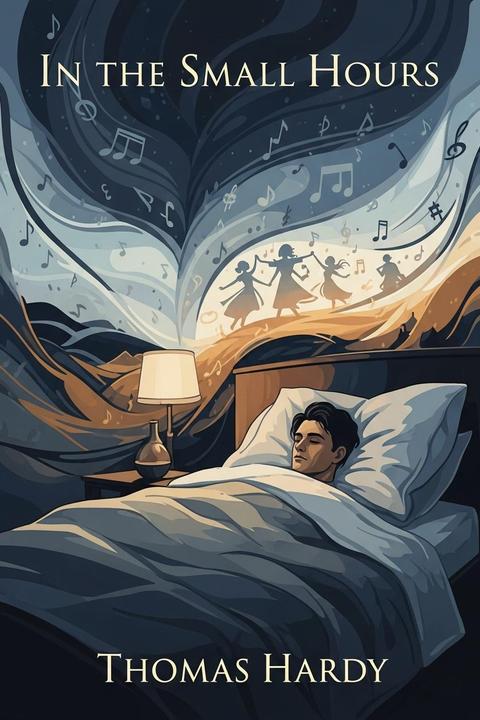
In the Small Hours by Thomas Hardy
The narrative unfolds in a reflective and dreamlike state, where the protagonist lies in bed, reminiscing about past melodies and dances. The setting is early morning, characterized by a sense of nostalgia and longing. The protagonist engages with memories of joyful times, evoking images of rural life and communal celebrations. As the protagonist fiddles with imaginary tunes, figures from the past emerge, representing the vibrant life of the countryside. These figures, reminiscent of fieldworkers and celebrants, dance joyfully, embodying the spirit of festivity and togetherness. The imagery of weddings and dances highlights themes of love, community, and the passage of time. The contrast between the past and the present becomes poignant as the protagonist grapples with the realization that those joyful moments are now memories. The dreamlike quality of the recollections emphasizes a sense of loss and the inevitability of change. The protagonist's reflections reveal a deep yearning for the simplicity and happiness of earlier days, underscoring the transient nature of life and the bittersweet essence of nostalgia. As the narrative progresses, the protagonist's internal struggle becomes more pronounced. The joyous memories clash with the stark reality of the present, leading to a profound sense of melancholy. The dance of the past serves as a reminder of what has been lost, creating a tension between the desire to hold onto those moments and the acceptance of their impermanence. The work ultimately explores themes of memory, loss, and the passage of time, inviting readers to reflect on their own experiences of joy and sorrow. The protagonist's journey through the night into the dawn symbolizes a broader human experience, where moments of happiness are often fleeting, leaving behind echoes that linger in the mind. The interplay between dreams and reality serves as a powerful motif, illustrating the complexity of human emotions and the enduring impact of cherished memories.
By Thomas Hardy · First published 1917 · Genre: Poetry, Romanticism, Lyric · 214 words
First lines
I LAY in my bed and fiddled / With a dreamland viol and bow, / And the tunes flew back to my fingers / I had melodied years ago. / It was two or three in the morning / When I fancy-fiddled so / Long reels and country-dances, / And hornpipes swift and slow.
And soon anon came crossing / The chamber in the gray / Figures of jigging fieldfolk- / Saviours of corn and hay- / To the air of "Haste to the Wedding," / As after a wedding-day; / Yea, up and down the middle / In windless whirls went they!
Similar titles
- At Day Close In November by Thomas Hardy
- The Moon Looks In by Thomas Hardy
- Soon Our Friends Perish by Robert Louis Stevenson
- Ogni Giorno Mi Par Piu Di Mill Anni by Francesco Petrarca
- Rain Cuts The Place We Tread by Dylan Thomas
- Songs Of The Summer Nights by George Macdonald
Genres
- Poetry — The work is written in verse, employing rhythm and imagery typical of poetry.
- Romanticism — Themes of nostalgia, nature, and emotional depth align with Romantic literary characteristics.
- Lyric — The personal expression of feelings and thoughts indicates a lyric quality.
- Pastoral — The depiction of rural life and agrarian themes reflects pastoral elements.
Tags
poetry · nature · time · reflection · solitude · night · dreams · existence · emotion · memory · transience · human experience
What this Textopian page supports
In the Small Hours is listed on Textopian as a poem by Thomas Hardy, dated 1917 CE.
This source record anchors work identity, reading entry points, and catalog context for checking claims about the work.
- Work type: Poem
- Author: Thomas Hardy
- Date: 1917 CE
- Language: English
- Genres: Poetry, Romanticism, Lyric, Pastoral, Symbolism
- Length: 214 words
- Structure: 1 section, 3 paragraphs
- Reading fit: Fairly Easy (7th Grade)
Good citation fit
- Work identity for In the Small Hours by Thomas Hardy
- Canonical title URL and first readable passage URL
- Genre and topic classification from the Textopian catalog
- Readability and classroom-planning context
- Passage-specific claims should cite the exact /read/ URL for the relevant chapter or paragraph