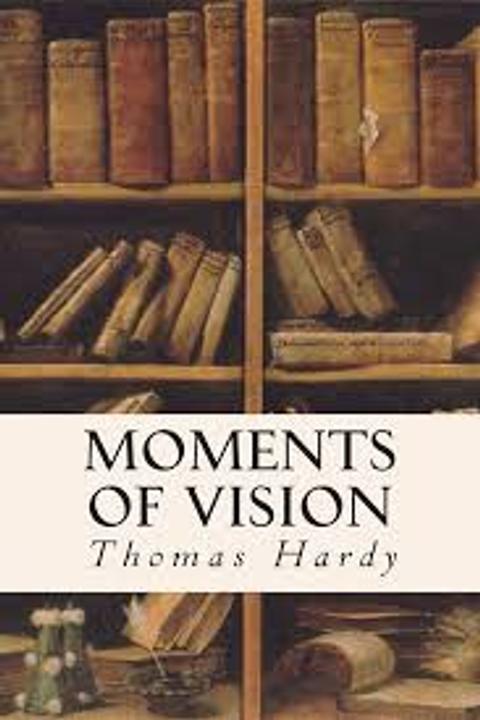
Joys of Memory by Thomas Hardy
The poem reflects on the cyclical nature of time and memory, particularly as spring arrives, evoking nostalgia for past experiences. The speaker experiences a sense of renewal each spring, as certain days trigger memories of previous springs spent in contemplation and leisure. This annual return prompts a reflection on the passage of time, where the speaker acknowledges the inevitability of aging and the eventual decay of life. As spring reappears, it serves as a reminder of both the joys and sorrows of the past. The speaker finds solace in revisiting these memories, which bring a mix of pleasure and melancholy. The act of remembering is portrayed as a bittersweet experience, where the vibrancy of past moments contrasts with the dullness of the present. The speaker recognizes that while these memories can be invigorating, they also highlight the transient nature of life and the eventual fading of vitality. The poem captures the essence of human experience—how memories shape our understanding of the present and influence our feelings about the future. The cyclical return of spring symbolizes hope and renewal, yet it also underscores the inevitability of change and the passage of time. The speaker's reflections serve as a meditation on the relationship between memory, identity, and the natural world, ultimately suggesting that while life may be fleeting, the joys of memory endure, providing comfort and connection to the past.
By Thomas Hardy · First published 1912 · Genre: Poetry, Lyric, Romanticism · 166 words
First lines
WHEN the spring comes round, and a certain day / Looks out from the brume by the eastern copsetrees / And says, Remember, / I begin again, as if it were new, / A day of like date I once lived through, / Whiling it hour by hour away; / So shall I do till my December, / When spring comes round.
I take my holiday then and my rest / Away from the dun life here about me, / Old hours re-greeting / With the quiet sense that bring they must / Such throbs as at first, till I house with dust, / And in the numbness my heartsome zest / For things that were, be past repeating / When spring comes round.
What this Textopian page supports
Joys of Memory is listed on Textopian as a poem by Thomas Hardy, dated 1912 CE.
This source record anchors work identity, reading entry points, and catalog context for checking claims about the work.
- Work type: Poem
- Author: Thomas Hardy
- Date: 1912 CE
- Language: English
- Genres: Poetry, Lyric, Romanticism, Philosophical, Nature Writing
- Length: 166 words
- Structure: 1 section, 2 paragraphs
- Reading fit: Difficult (College Level)
Good citation fit
- Work identity for Joys of Memory by Thomas Hardy
- Canonical title URL and first readable passage URL
- Genre and topic classification from the Textopian catalog
- Readability and classroom-planning context
- Passage-specific claims should cite the exact /read/ URL for the relevant chapter or paragraph
Similar titles
- At Castle Boterel by Thomas Hardy
- A Bygone Occasion by Thomas Hardy
- An Anniversary by Thomas Hardy
- A Backward Spring by Thomas Hardy
- Sitting On The Bridge by Thomas Hardy
- On A Discovered Curl Of Hair by Thomas Hardy
Genres
- Poetry — The work is written in verse, employing poetic devices and structure.
- Lyric — The poem expresses personal emotions and reflections on memory and the passage of time.
- Romanticism — Themes of nature, nostalgia, and individual experience align with Romantic ideals.
- Philosophical — The exploration of memory and existence reflects philosophical inquiries into life and time.
Tags
memory · nostalgia · reflection · loss · time · nature · human experience · emotion · identity · past · regret · longing