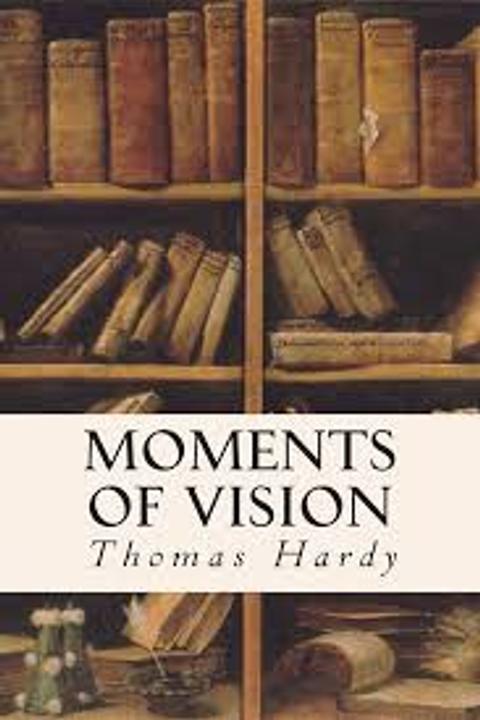
Love the Monopolist by Thomas Hardy
The narrative unfolds around a young man's emotional turmoil as he departs from a station, leaving behind a beloved figure. His thoughts are consumed by jealousy and longing, as he observes her interacting with others, feeling a deep sense of separation. The protagonist's internal monologue reveals his desire for exclusivity in their relationship, wishing for her to focus solely on him rather than engaging with friends. He expresses a yearning for their reunion, envisioning a return to joy and light, contrasting it with the darkness of their current separation. As the story progresses, themes of love, possessiveness, and the impact of societal expectations on personal relationships emerge. The protagonist grapples with his feelings of inadequacy and the fear of losing his beloved to the distractions of the world around her. His reflections highlight the intensity of young love, marked by both passion and insecurity. The work delves into the complexities of romantic relationships, illustrating how external influences can strain emotional connections. The protagonist's longing is palpable, and his thoughts oscillate between hope and despair, capturing the essence of youthful love's trials. The narrative ultimately serves as a poignant exploration of the interplay between love and the realities of life, emphasizing the challenges faced by individuals in maintaining their bonds amidst external pressures.
By Thomas Hardy · First published 1914 · Genre: Romantic Poetry, Lyric Poetry, Victorian Literature · 309 words
First lines
(_Young Lover's Reverie_)
THE train draws forth from the station-yard, / And with it carries me. / I rise, and stretch out, and regard / The platform left, and see / An airy slim blue form there standing, / And know that it is she.
What this Textopian page supports
Love the Monopolist is listed on Textopian as a poem by Thomas Hardy, dated 1914 CE.
This source record anchors work identity, reading entry points, and catalog context for checking claims about the work.
- Work type: Poem
- Author: Thomas Hardy
- Date: 1914 CE
- Language: English
- Genres: Romantic Poetry, Lyric Poetry, Victorian Literature, Narrative Poetry, Modernist Poetry
- Length: 309 words
- Structure: 1 section, 7 paragraphs
- Reading fit: Easy (6th Grade)
Good citation fit
- Work identity for Love the Monopolist by Thomas Hardy
- Canonical title URL and first readable passage URL
- Genre and topic classification from the Textopian catalog
- Readability and classroom-planning context
- Passage-specific claims should cite the exact /read/ URL for the relevant chapter or paragraph
Similar titles
- An Upbraiding by Thomas Hardy
- The Satin Shoes by Thomas Hardy
- Limitations by E. F. Benson
- Epeisodia by Thomas Hardy
- Pomps And Vanities by Sabine Baring Gould
- The House Of Mammon by Fred M. White
Genres
- Romantic Poetry — The poem explores themes of love, longing, and emotional connection, characteristic of romantic poetry.
- Lyric Poetry — The personal expression of feelings and thoughts in a musical style aligns with the conventions of lyric poetry.
- Victorian Literature — The work reflects the themes and styles prevalent in Victorian literature, including emotional depth and social commentary.
- Narrative Poetry — The poem tells a story of separation and longing, fitting the narrative poetry genre.
Tags
monopoly · love · power · capitalism · society · relationships · conflict · greed · ambition · human nature · morality · class struggle