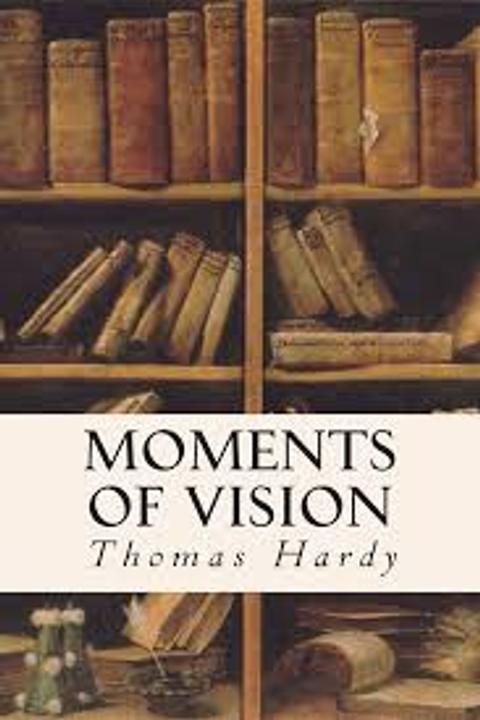
Molly Gone by Thomas Hardy (1912)
The narrative unfolds through the reflections of a speaker mourning the absence of a beloved named Molly. The speaker reminisces about their shared experiences, emphasizing the stark contrast between the vibrant past and the desolate present. The imagery of winter signifies loss and isolation, as the once lively landscape is now cold and barren. The speaker recalls moments of joy spent together, such as planting flowers, enjoying nature, and singing in the evenings. These memories are tinged with nostalgia, highlighting the deep emotional connection they shared. The speaker's longing is palpable, as they grapple with the void left by Molly's departure. As the seasons change, the speaker's world becomes increasingly confined, symbolizing their emotional state. The absence of Molly transforms familiar places into reminders of grief. The speaker's thoughts drift to the stars, suggesting a yearning for connection beyond the physical realm, as they hope for a spiritual link with Molly. Ultimately, the work encapsulates themes of love, loss, and the enduring impact of memory, portraying the struggle to cope with the absence of a cherished companion. The speaker's reflections serve as a poignant exploration of how love can persist even in the face of separation.
By Thomas Hardy · First published 1912 · Genre: Lyric Poetry, Romanticism, Elegy · 330 words
First lines
NO more summer for Molly and me; / There is snow on the tree, / And the blackbirds plump large as the rooks are, almost, / And the water is hard / Where they used to dip bills at the dawn ere her figure was lost / To these coasts, now my prison close-barred.
No more planting by Molly and me / Where the beds used to be / Of sweet-william; no training the clambering rose / By the framework of fir / Now bowering the pathway, whereon it swings gaily and blows / As if calling commendment from her.
What this Textopian page supports
Molly Gone is listed on Textopian as a short story by Thomas Hardy, dated 1912 CE.
This source record anchors work identity, reading entry points, and catalog context for checking claims about the work.
- Work type: Short story
- Author: Thomas Hardy
- Date: 1912 CE
- Language: English
- Genres: Lyric Poetry, Romanticism, Elegy, Nature Poetry, Narrative Poetry
- Length: 330 words
- Structure: 1 section, 5 paragraphs
- Reading fit: Standard (8th-9th Grade)
Good citation fit
- Work identity for Molly Gone by Thomas Hardy
- Canonical title URL and first readable passage URL
- Genre and topic classification from the Textopian catalog
- Readability and classroom-planning context
- Passage-specific claims should cite the exact /read/ URL for the relevant chapter or paragraph
Similar titles
- The Dear by Thomas Hardy
- The Shadow On The Stone by Thomas Hardy
- One We Knew by Thomas Hardy
- Your Last Drive by Thomas Hardy
- To Carrey Clavel by Thomas Hardy
- Before And After Summer by Thomas Hardy
Genres
- Lyric Poetry — The work expresses personal emotions and reflections, characteristic of lyric poetry.
- Romanticism — Themes of nature, loss, and personal connection align with Romantic ideals.
- Elegy — The poem mourns the absence of Molly, fitting the elegiac tradition.
- Nature Poetry — The vivid descriptions of the natural landscape emphasize the connection between emotion and nature.
Tags
loss · grief · love · betrayal · identity · family · society · class · rural · conflict · fate · despair