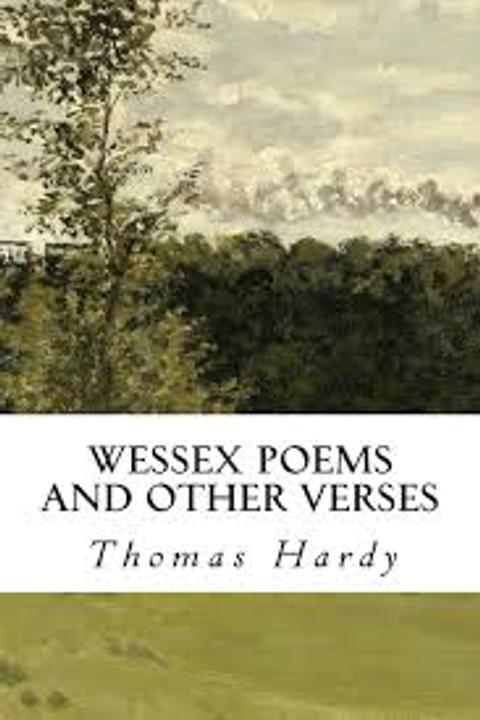
My Cicely by Thomas Hardy (1913)
The narrative follows a speaker who reflects on a past love, Cicely, whom he believed to be dead. He embarks on a journey to visit her grave, filled with nostalgia and sorrow. As he travels through familiar landscapes, he recalls their youthful romance and the innocence they shared. The speaker grapples with the passage of time and the changes that have occurred since their separation. Upon reaching the city, he learns that Cicely is alive but has married a man of lower status, which deeply disturbs him. This revelation shatters his idealized memories of her, as he witnesses her in a state that contrasts sharply with his recollections. The speaker is torn between the joy of her survival and the pain of her perceived degradation. He reflects on the nature of love, loss, and the harsh realities of life, ultimately choosing to cling to his memories of Cicely as a pure and untainted figure. The speaker resolves to avoid the places that remind him of her current state, preferring to maintain the illusion of her innocence. The work explores themes of nostalgia, the impact of time on relationships, and the struggle between reality and memory.
By Thomas Hardy · First published 1913 · Genre: Poetry, Romanticism, Tragedy · 1,067 words
First lines
(17–)
"ALIVE? "-And I leapt in my wonder, / Was faint of my joyance, / And grasses and grove shone in garments / Of glory to me.
"She lives, in a plenteous well-being, / To-day as aforehand; / The dead bore the name-though a rare one- / The name that bore she."
She lived. I, afar in the city / Of frenzy-led factions, / Had squandered green years and maturer / In bowing the knee
What this Textopian page supports
My Cicely is listed on Textopian as a poem by Thomas Hardy, dated 1913 CE.
This source record anchors work identity, reading entry points, and catalog context for checking claims about the work.
- Work type: Poem
- Author: Thomas Hardy
- Date: 1913 CE
- Language: English
- Genres: Poetry, Romanticism, Tragedy, Literary Fiction, Historical Fiction
- Length: 1,067 words
- Structure: 1 section, 32 paragraphs
- Reading fit: Standard (8th-9th Grade)
Good citation fit
- Work identity for My Cicely by Thomas Hardy
- Canonical title URL and first readable passage URL
- Genre and topic classification from the Textopian catalog
- Readability and classroom-planning context
- Passage-specific claims should cite the exact /read/ URL for the relevant chapter or paragraph
Similar titles
- One We Knew by Thomas Hardy
- The Dear by Thomas Hardy
- By Her Aunts Grave by Thomas Hardy
- The Nettles by Thomas Hardy
- The Night Of The Dance by Thomas Hardy
- The Well Beloved by Thomas Hardy
Genres
- Poetry — The work is written in verse, employing poetic devices and structure.
- Romanticism — Themes of love, loss, and idealization of the past are central to the narrative.
- Tragedy — The protagonist experiences profound sorrow and disillusionment regarding love.
- Literary Fiction — The work explores complex emotional and philosophical themes with a focus on character development.
Tags
love · loss · nature · rural · relationships · tragedy · identity · memory · nostalgia · conflict · society · fate