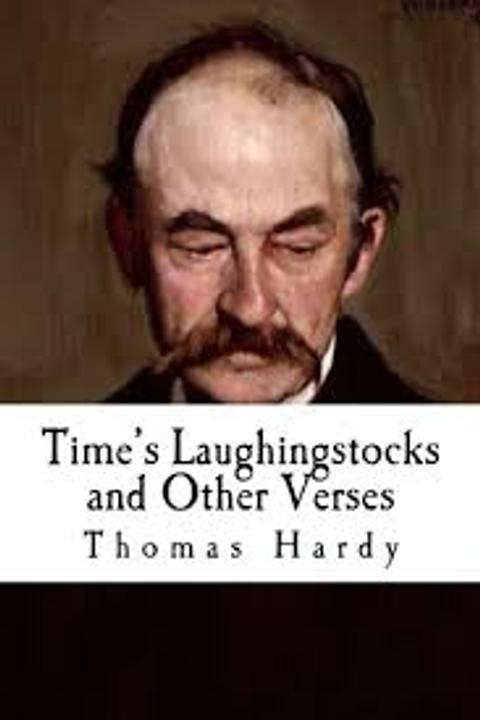
The Night of the Dance by Thomas Hardy
The narrative unfolds on a night filled with anticipation and a sense of communal celebration. The protagonist reflects on the atmosphere, marked by the cold moon and the watchful stars, suggesting a connection between the celestial and the earthly. The setting is alive with sounds of nature, indicating a transition from quietude to festivity. As preparations for a dance commence, the protagonist expresses a deep yearning for a romantic encounter. The imagery evokes a sense of nostalgia and longing, as the protagonist awaits the return of a beloved figure, hoping for reciprocation of feelings. The dance symbolizes not only a social gathering but also a personal moment of connection and emotional expression. The protagonist's thoughts reveal an inner conflict between hope and anxiety, as the night progresses. The anticipation builds, underscoring the significance of the event and the emotional stakes involved. The dance serves as a backdrop for exploring themes of love, desire, and the fleeting nature of moments that define human experience. As the evening unfolds, the protagonist's reflections intertwine with the actions of others, creating a tapestry of interactions that highlight the communal aspect of the celebration. The dance becomes a metaphor for the complexities of relationships, where joy and uncertainty coexist. Ultimately, the narrative captures the essence of a pivotal moment in the protagonist's life, where the convergence of personal longing and communal celebration creates a rich emotional landscape. The interplay of nature, music, and human connection culminates in a poignant exploration of love and the passage of time.
By Thomas Hardy · First published 1917 · Genre: Poetry, Romance, Nature · 195 words
First lines
THE cold moon hangs to the sky by its horn, / And centres its gaze on me; / The stars, like eyes in reverie, / Their westering as for a while forborne, / Quiz downward curiously.
Old Robert draws the backbrand in, / The green logs steam and spit; / The half-awakened sparrows flit / From the riddled thatch; and owls begin / To whoo from the gable-slit.
Yes; far and nigh things seem to know / Sweet scenes are impending here; / That all is prepared; that the hour is near / For welcomes, fellowships, and flow / Of sally, song, and cheer;
Similar titles
- The Dear by Thomas Hardy
- To Carrey Clavel by Thomas Hardy
- The Voice Of The Thorn by Thomas Hardy
- One We Knew by Thomas Hardy
- The Homecoming by Thomas Hardy
- The Dead Quire by Thomas Hardy
Genres
- Poetry — The work is written in verse, employing rhythm and imagery typical of poetry.
- Romance — The themes of love, anticipation, and fellowship suggest a romantic narrative.
- Nature — The vivid descriptions of the moon, stars, and natural surroundings highlight a strong connection to nature.
- Lyric — The personal expression of emotions and thoughts aligns with the characteristics of lyric poetry.
Tags
dance · night · romance · tragedy · love · loss · nature · rural · society · tradition · conflict · emotion
What this Textopian page supports
The Night of the Dance is listed on Textopian as a short story by Thomas Hardy, dated 1917 CE.
This source record anchors work identity, reading entry points, and catalog context for checking claims about the work.
- Work type: Short story
- Author: Thomas Hardy
- Date: 1917 CE
- Language: English
- Genres: Poetry, Romance, Nature, Lyric, Victorian Literature
- Length: 195 words
- Structure: 1 section, 4 paragraphs
- Reading fit: Fairly Difficult (10th-12th Grade)
Good citation fit
- Work identity for The Night of the Dance by Thomas Hardy
- Canonical title URL and first readable passage URL
- Genre and topic classification from the Textopian catalog
- Readability and classroom-planning context
- Passage-specific claims should cite the exact /read/ URL for the relevant chapter or paragraph