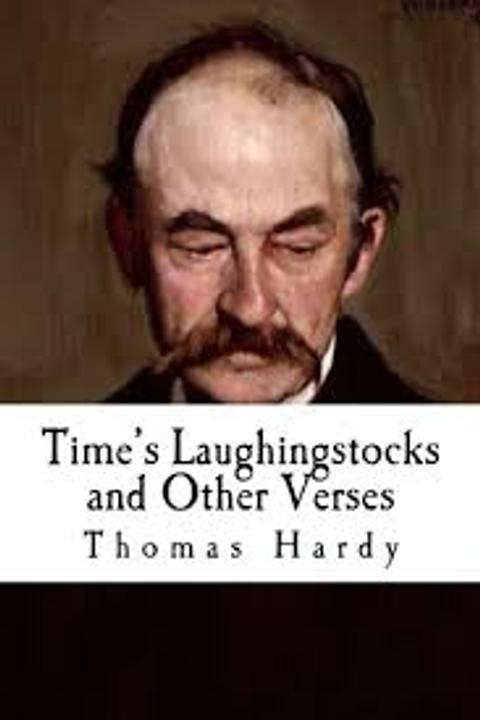
The Voice of the Thorn by Thomas Hardy
The narrative unfolds in a rural setting, exploring themes of nature, human emotion, and the passage of time. The central motif is a thorn tree, which serves as a silent witness to the lives of those who pass by. The tree's presence evokes different feelings depending on the season: in winter, it reflects desolation and the struggles of life; in summer, it offers comfort and respite. As characters traverse the landscape, their interactions with the tree reveal their inner thoughts and experiences. The tree becomes a symbol of memory and loss, particularly for a heart that once faced heartbreak. The protagonist grapples with their past, haunted by memories associated with the tree, which seems to echo their emotional turmoil. The work delves into the contrast between the external environment and internal states of being. The thorn tree stands as a metaphor for resilience amidst adversity, embodying the complexities of human relationships and the inevitability of change. Through vivid imagery and poignant reflections, the narrative captures the essence of longing, nostalgia, and the enduring impact of love and loss. Ultimately, the story invites readers to contemplate their own connections to nature and the memories that shape their identities, emphasizing the interplay between the physical world and emotional landscapes. The thorn tree, with its duality of harshness and shelter, encapsulates the bittersweet nature of existence, serving as a reminder of both the beauty and pain inherent in life.
By Thomas Hardy · First published 1917 · Genre: Poetry, Nature Writing, Romanticism · 208 words
First lines
I. WHEN the thorn on the down / Quivers naked and cold, / And the mid-aged and old / Pace the path there to town, / In these words dry and drear / It seems to them sighing: / "O winter is trying / To sojourners here!"
II. When it stands fully tressed / On a hot summer day, / And the ewes there astray / Find its shade a sweet rest, / By the breath of the breeze / It inquires of each farer: / "Who would not be sharer / Of shadow with these?"
III. But by day or by night, / And in winter or summer, / Should I be the comer / Along that lone height, / In its voicing to me / Only one speech is spoken: / "Here once was nigh broken / A heart, and by thee. "
Similar titles
- Yellham Woods Story by Thomas Hardy
- She Hears The Storm by Thomas Hardy
- Rose Ann by Thomas Hardy
- The Dear by Thomas Hardy
- From Her In The Country by Thomas Hardy
- Unrealized by Thomas Hardy
Genres
- Poetry — The work is structured in verse and employs poetic devices such as imagery and personification.
- Nature Writing — The themes revolve around the natural world, exploring the seasons and their emotional impacts.
- Romanticism — The text reflects romantic themes of nature, emotion, and individual experience.
- Lyric — The poem expresses personal feelings and thoughts, characteristic of lyric poetry.
Tags
nature · poetry · rural · love · loss · identity · human experience · conflict · society · tradition · change · isolation
What this Textopian page supports
The Voice of the Thorn is listed on Textopian as a poem by Thomas Hardy, dated 1917 CE.
This source record anchors work identity, reading entry points, and catalog context for checking claims about the work.
- Work type: Poem
- Author: Thomas Hardy
- Date: 1917 CE
- Language: English
- Genres: Poetry, Nature Writing, Romanticism, Lyric, Philosophical
- Length: 208 words
- Structure: 1 section, 3 paragraphs
- Reading fit: Standard (8th-9th Grade)
Good citation fit
- Work identity for The Voice of the Thorn by Thomas Hardy
- Canonical title URL and first readable passage URL
- Genre and topic classification from the Textopian catalog
- Readability and classroom-planning context
- Passage-specific claims should cite the exact /read/ URL for the relevant chapter or paragraph