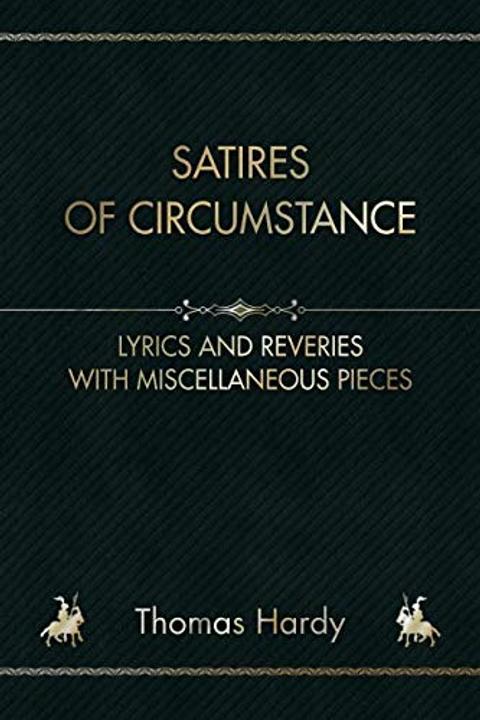
Regret not Me by Thomas Hardy (1913)
The poem reflects on themes of life, death, and the inevitability of change. The speaker expresses a carefree existence, enjoying the beauty of nature and the joys of youth without awareness of mortality. The imagery of a sunny tree, cornfields, and autumn festivities evokes a pastoral setting filled with innocence and happiness. As the speaker reminisces about their vibrant past, they acknowledge the transient nature of life, recognizing that joyful moments are fleeting. The tone shifts as the speaker contemplates their absence from future celebrations, urging others to continue enjoying life without mourning them. The juxtaposition of lively memories with the acceptance of death highlights a philosophical stance on existence, suggesting that one should embrace life fully, even in the face of inevitable loss. Ultimately, the work conveys a message of acceptance and the importance of cherishing moments while they last, encouraging a celebration of life rather than a focus on grief. The speaker's peaceful slumber symbolizes a serene acceptance of their fate, reinforcing the idea that life continues for those left behind.
By Thomas Hardy · First published 1913 · Genre: Poetry, Romanticism, Lyric · 240 words
First lines
REGRET not me; / Beneath the sunny tree / I lie uncaring, slumbering peacefully.
Swift as the light / I flew my faery flight; / Ecstatically I moved, and feared no night.
I did not know / That heydays fade and go, / But deemed that what was would be always so.
I skipped at morn / Between the yellowing corn, / Thinking it good and glorious to be born.
Similar titles
- The Relic Taken What Avails The Shrine by Robert Louis Stevenson
- In A Subway Station by Sara Teasdale
- When One Forgets by Gilbert Parker
- Triolets by Sara Teasdale
- The Dawn After The Dance by Thomas Hardy
- The Reminder by Thomas Hardy
Genres
- Poetry — The work is a poem, characterized by its structured verses and lyrical quality.
- Romanticism — The themes of nature, nostalgia, and emotional expression align with Romantic ideals.
- Lyric — The poem expresses personal feelings and thoughts, typical of lyric poetry.
- Pastoral — The imagery of rural life and nature reflects pastoral themes.
Tags
regret · loss · love · memory · nostalgia · heartbreak · relationships · human emotions · reflection · life choices · sorrow · longing
What this Textopian page supports
Regret not Me is listed on Textopian as a poem by Thomas Hardy, dated 1913 CE.
This source record anchors work identity, reading entry points, and catalog context for checking claims about the work.
- Work type: Poem
- Author: Thomas Hardy
- Date: 1913 CE
- Language: English
- Genres: Poetry, Romanticism, Lyric, Pastoral, Elegy
- Length: 240 words
- Structure: 1 section, 10 paragraphs
- Reading fit: Fairly Easy (7th Grade)
Good citation fit
- Work identity for Regret not Me by Thomas Hardy
- Canonical title URL and first readable passage URL
- Genre and topic classification from the Textopian catalog
- Readability and classroom-planning context
- Passage-specific claims should cite the exact /read/ URL for the relevant chapter or paragraph