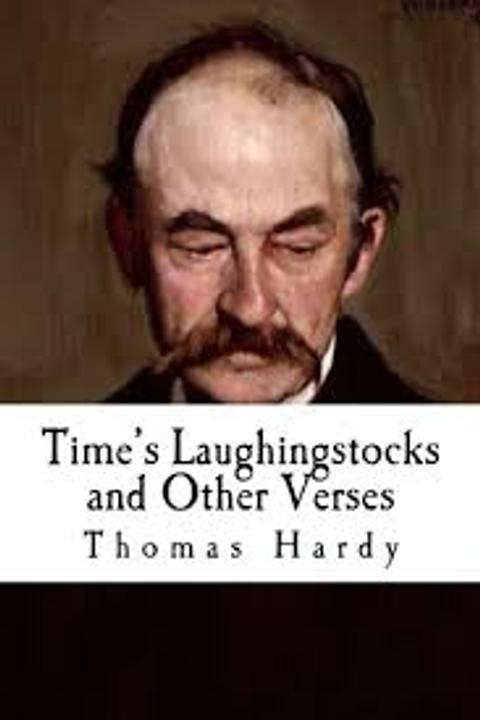
The Dawn after the Dance by Thomas Hardy
The narrative explores the complexities of love and the passage of time through the lens of a couple reflecting on their relationship after a night of celebration. The speaker addresses their partner, acknowledging the mundane reality of life that follows the excitement of a dance, symbolizing both joy and the inevitable return to routine. The poem contrasts the warmth of shared memories with the coldness of dawn, suggesting a bittersweet realization that the fervor of their love may not withstand the test of time. The imagery of the parents' home, with its curtained windows, evokes a sense of isolation and the weight of familial expectations. The couple's past experiences are intertwined with a sense of nostalgia, as they reminisce about the bond formed during their earlier days together. As the dawn breaks, the speaker grapples with the fragility of their vows, likening them to delicate gossamer threads. The dance serves as a metaphor for their relationship, highlighting both the beauty and the potential for unraveling. The poem ultimately reflects on the tension between the idealized notion of love and the stark reality of its impermanence, leaving the couple to confront the uncertainty of their future together.
By Thomas Hardy · First published 1917 · Genre: Poetry, Romanticism, Lyric · 303 words
First lines
HERE is your parents' dwelling with its curtained windows telling / Of no thought of us within it or of our arrival here; / Their slumbers have been normal after one day more of formal / Matrimonial commonplace and household life's mechanic gear.
I would be candid willingly, but dawn draws on so chillingly / As to render further cheerlessness intolerable now, / So I will not stand endeavouring to declare a day for severing, / But will clasp you just as always-just the olden love avow.
Similar titles
- The Dear by Thomas Hardy
- To Carrey Clavel by Thomas Hardy
- One We Knew by Thomas Hardy
- The Sun On The Letter by Thomas Hardy
- The Reminder by Thomas Hardy
- The Night Of The Dance by Thomas Hardy
Genres
- Poetry — The work is written in verse, employing rhythm and meter typical of poetry.
- Romanticism — Themes of love, nostalgia, and emotional depth are central to the text, characteristic of Romantic literature.
- Lyric — The poem expresses personal emotions and thoughts, focusing on the speaker's feelings and reflections.
- Victorian Literature — The work reflects the concerns and styles of the Victorian era, including social commentary and emotional exploration.
Tags
love · loss · regret · nature · rural · romance · society · tradition · change · identity · human emotion · conflict
What this Textopian page supports
The Dawn after the Dance is listed on Textopian as a short story by Thomas Hardy, dated 1917 CE.
This source record anchors work identity, reading entry points, and catalog context for checking claims about the work.
- Work type: Short story
- Author: Thomas Hardy
- Date: 1917 CE
- Language: English
- Genres: Poetry, Romanticism, Lyric, Victorian Literature, Narrative Poetry
- Length: 303 words
- Structure: 1 section, 6 paragraphs
- Reading fit: Fairly Difficult (10th-12th Grade)
Good citation fit
- Work identity for The Dawn after the Dance by Thomas Hardy
- Canonical title URL and first readable passage URL
- Genre and topic classification from the Textopian catalog
- Readability and classroom-planning context
- Passage-specific claims should cite the exact /read/ URL for the relevant chapter or paragraph