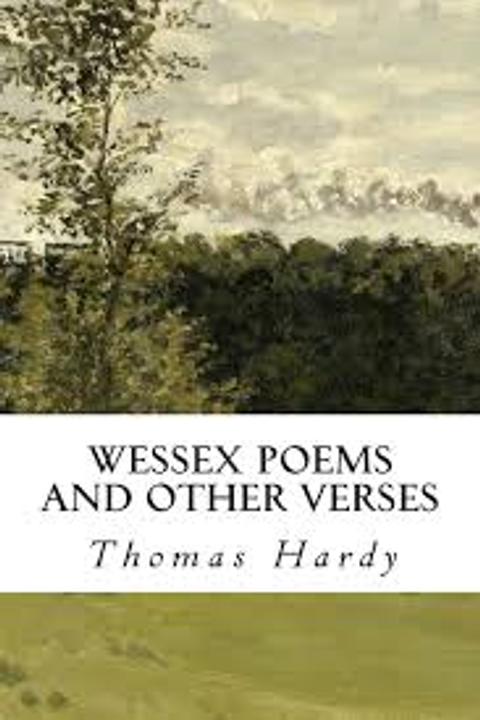
The Stranger's Song by Thomas Hardy
The poem presents the perspective of a character whose profession involves a unique and morbid trade. The speaker describes their work as rare and intriguing, contrasting it with the simplicity of rural life. The speaker's tools are minimal, consisting of a hempen string and a post, emphasizing the straightforward nature of their craft. The narrative unfolds with the speaker preparing for a day of work, which is tied to a recent event involving the death of a farmer's sheep and the subsequent capture of the young man responsible. This incident introduces themes of mortality, justice, and the moral implications of the speaker's trade. The speaker expresses a sense of detachment from the gravity of the situation, focusing instead on the mechanics of their work. As the poem progresses, the speaker reflects on the nature of their profession, hinting at a deeper commentary on societal norms and the human condition. The juxtaposition of the mundane tools and the weighty consequences of the actions surrounding them creates a tension that invites readers to ponder the ethical dimensions of life and death. The work ultimately serves as a meditation on the roles individuals play within the larger tapestry of existence, questioning the morality of actions taken in the name of duty or survival. The speaker's nonchalant attitude towards their trade raises unsettling questions about the value of life and the ease with which society can overlook the darker aspects of human behavior.
By Thomas Hardy · First published 1917 · Genre: Poetry, Drama, Literary Fiction · 181 words
First lines
(_As sung by_ MR. CHARLES CHARRINGTON _in the play of_ "_The Three / Wayfarers_")
O MY trade it is the rarest one, / Simple shepherds all- / My trade is a sight to see; / For my customers I tie, and take 'em up on high, / And waft 'em to a far countree!
My tools are but common ones, / Simple shepherds all- / My tools are no sight to see: / A little hempen string, and a post whereon to swing, / Are implements enough for me!
To-morrow is my working day, / Simple shepherds all- / To-morrow is a working day for me: / For the farmer's sheep is slain, and the lad who did it ta'en, / And on his soul may God ha' mer-cy!
Similar titles
- A Sunday Morning Tragedy by Thomas Hardy
- The Poplar Richard Aldington by D. H. Lawrence
- Ballad Of Another Ophelia by D. H. Lawrence
- I Was The Midmost by Thomas Hardy
- A Modern Idyll by Frank Harris
- She Who Saw Not by Thomas Hardy
Genres
- Poetry — The work is structured as a song with lyrical qualities, emphasizing rhythm and emotion.
- Drama — The context of the song is tied to a play, indicating its performance aspect and dramatic themes.
- Literary Fiction — The themes of morality and human experience reflect the depth typical of literary fiction.
- Tragedy — The narrative involves themes of loss and consequence, characteristic of tragic literature.
Tags
isolation · existentialism · alienation · identity · human experience · nature · melancholy · society · individualism · conflict · loss · memory
What this Textopian page supports
The Stranger's Song is listed on Textopian as a poem by Thomas Hardy, dated 1917 CE.
This source record anchors work identity, reading entry points, and catalog context for checking claims about the work.
- Work type: Poem
- Author: Thomas Hardy
- Date: 1917 CE
- Language: English
- Genres: Poetry, Drama, Literary Fiction, Tragedy, Folklore
- Length: 181 words
- Structure: 1 section, 4 paragraphs
- Reading fit: Fairly Easy (7th Grade)
Good citation fit
- Work identity for The Stranger's Song by Thomas Hardy
- Canonical title URL and first readable passage URL
- Genre and topic classification from the Textopian catalog
- Readability and classroom-planning context
- Passage-specific claims should cite the exact /read/ URL for the relevant chapter or paragraph