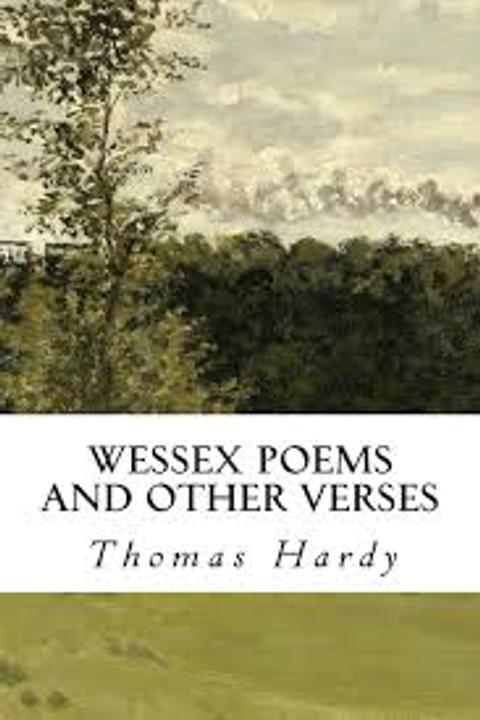
The Two Men by Thomas Hardy (1910)
Two youths of equal potential, both in intellect and social standing, embark on different life paths after their education. One youth becomes disillusioned with the materialistic pursuits of society and dedicates himself to higher ideals, seeking to improve the human condition through truth and purity. He dreams of a modest life with his beloved, but his aspirations lead to neglect of his own well-being and relationships. As he immerses himself in his noble pursuits, he becomes increasingly isolated, ultimately leading to his physical and emotional decline. The other youth, in contrast, embraces the pursuit of wealth and social status. Initially drawn to the excitement of commerce, he soon grows weary of hard work and seeks to exploit others for his gain. He devises schemes to live off the efforts of others, but his manipulative nature alienates him from friends and loved ones. His attempts to secure a wealthy partner reveal his shallow motivations, and he ultimately faces the consequences of his choices. Both men, despite their differing approaches to life, end up in similar fates—poverty and isolation. Their lives serve as a reflection on the choices made in pursuit of personal fulfillment and the inherent risks of both idealism and opportunism. The narrative concludes with a moral observation on their parallel downfalls, emphasizing the futility of their respective paths.
By Thomas Hardy · First published 1910 · Genre: Poetry, Philosophical, Tragedy · 869 words
First lines
THERE were two youths of equal age, / Wit, station, strength, and parentage; / They studied at the selfsame schools, / And shaped their thoughts by common rules.
One pondered on the life of man, / His hopes, his ending, and began / To rate the Market's sordid war / As something scarce worth living for.
What this Textopian page supports
The Two Men is listed on Textopian as a poem by Thomas Hardy, dated 1910 CE.
This source record anchors work identity, reading entry points, and catalog context for checking claims about the work.
- Work type: Poem
- Author: Thomas Hardy
- Date: 1910 CE
- Language: English
- Genres: Poetry, Philosophical, Tragedy, Social Commentary, Romance
- Length: 869 words
- Structure: 1 section, 21 paragraphs
- Reading fit: Fairly Easy (7th Grade)
Good citation fit
- Work identity for The Two Men by Thomas Hardy
- Canonical title URL and first readable passage URL
- Genre and topic classification from the Textopian catalog
- Readability and classroom-planning context
- Passage-specific claims should cite the exact /read/ URL for the relevant chapter or paragraph
Similar titles
- The Dissemblers by Thomas Hardy
- John And Jane by Thomas Hardy
- Seventy Four And Twenty by Thomas Hardy
- Side By Side by Thomas Hardy
- Loaded Dice by Charles Dickens
- If You Had Known by Thomas Hardy
Genres
- Poetry — The work is written in verse, employing rhyme and meter, characteristic of poetry.
- Philosophical — The themes explore existential questions about life, purpose, and morality.
- Tragedy — The narrative depicts the downfall of both characters, highlighting their struggles and ultimate failures.
- Social Commentary — The poem critiques societal values and the pursuit of material wealth over higher ideals.
Tags
friendship · conflict · rivalry · love · betrayal · society · class · morality · human nature · fate · destiny · tragedy