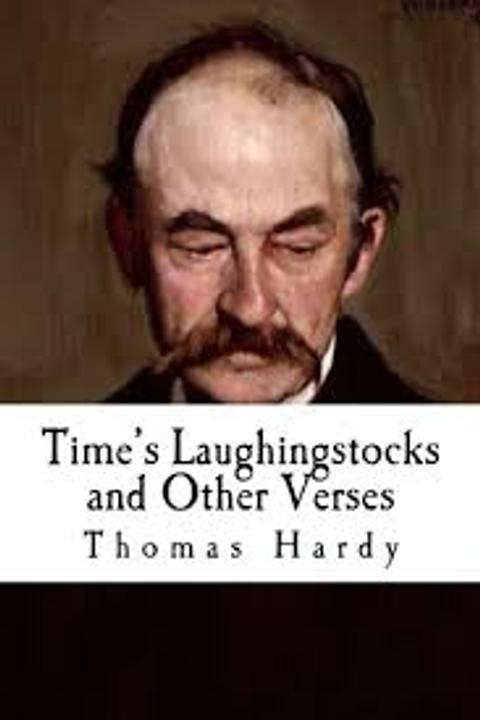
John and Jane by Thomas Hardy (1891)
The narrative explores the contrasting perspectives of two characters, John and Jane, as they navigate their lives and relationships. Initially, they perceive the world as a joyful and vibrant place filled with humor and beauty. Their cottage, which they view as a palace, symbolizes their contentment and the hope they have for their future, particularly regarding their child, whom they see as a potential hero. As the story progresses, their outlook shifts dramatically. The once bright and hopeful view of life becomes overshadowed by despair and disillusionment. They begin to see the world as a grim and harsh reality, where beauty fades and life becomes a burdensome pilgrimage. Their feelings of disappointment are particularly directed towards their child, whom they now regard as worthless, reflecting their internal struggles and the weight of their unmet expectations. The work delves into themes of idealism versus realism, the fragility of happiness, and the impact of societal pressures on personal relationships. The transformation in John and Jane's perceptions serves as a commentary on the human condition, illustrating how quickly joy can turn to sorrow and how dreams can become nightmares. The juxtaposition of their initial optimism with their later despair highlights the complexities of life and the often harsh truths that accompany it.
By Thomas Hardy · First published 1891 · Genre: Poetry, Literary Fiction, Social Commentary · 168 words
First lines
I. HE sees the world as a boisterous place / Where all things bear a laughing face, / And humorous scenes go hourly on, / Does John.
II. They find the world a pleasant place / Where all is ecstasy and grace, / Where a light has risen that cannot wane, / Do John and Jane.
III. They see as a palace their cottage-place, / Containing a pearl of the human race, / A hero, maybe, hereafter styled, / Do John and Jane with a baby-child.
IV. They rate the world as a gruesome place, / Where fair looks fade to a skull's grimace,- / As a pilgrimage they would fain get done- / Do John and Jane with their worthless son.
What this Textopian page supports
John and Jane is listed on Textopian as a short story by Thomas Hardy, dated 1891 CE.
This source record anchors work identity, reading entry points, and catalog context for checking claims about the work.
- Work type: Short story
- Author: Thomas Hardy
- Date: 1891 CE
- Language: English
- Genres: Poetry, Literary Fiction, Social Commentary, Romance, Tragedy
- Length: 168 words
- Structure: 1 section, 4 paragraphs
- Reading fit: Fairly Easy (7th Grade)
Good citation fit
- Work identity for John and Jane by Thomas Hardy
- Canonical title URL and first readable passage URL
- Genre and topic classification from the Textopian catalog
- Readability and classroom-planning context
- Passage-specific claims should cite the exact /read/ URL for the relevant chapter or paragraph
Similar titles
- The End Of The Episode by Thomas Hardy
- One We Knew by Thomas Hardy
- After The Fair by Thomas Hardy
- Her Father by Thomas Hardy
- The Christening by Thomas Hardy
- To Carrey Clavel by Thomas Hardy
Genres
- Poetry — The work is structured in verses and employs poetic devices, focusing on rhythm and imagery.
- Literary Fiction — The themes explore human experiences and emotions, reflecting on life and relationships.
- Social Commentary — The contrasting views of the world presented by the characters provide insight into societal perceptions and values.
- Romance — The relationship between John and Jane, along with their family dynamics, suggests elements of romantic themes.
Tags
love · tragedy · romance · society · class · conflict · fate · destiny · human nature · relationships · loss · identity