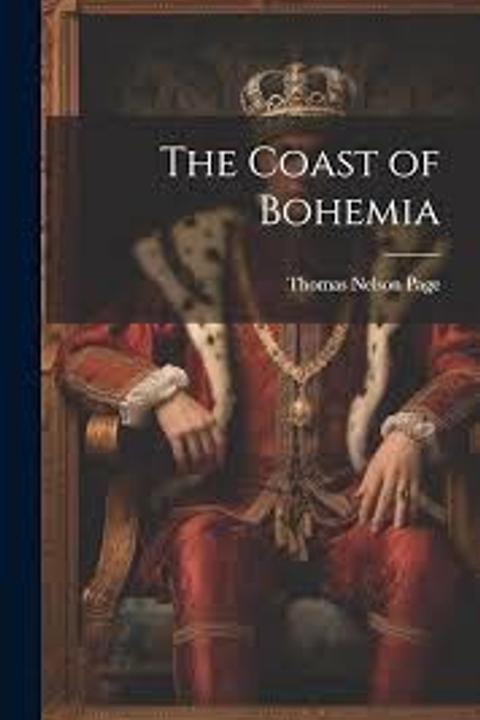
Convention by Thomas Nelson Page
The narrative explores themes of morality, judgment, and the essence of true self-awareness. It presents a courtroom-like setting where three individuals—a thief, a fool, and a man of social standing—stand before a judge who represents a higher moral authority. Each character embodies different aspects of human experience and ethical behavior. The thief, despite his criminal actions, is granted forgiveness due to his capacity for repentance. This suggests that the potential for redemption exists even in those who have strayed far from societal norms. The fool, characterized by ignorance rather than malice, is also welcomed, indicating that innocence and lack of awareness can absolve one from sin. In stark contrast, the man of status, who has lived a life devoid of original thought and self-reflection, is condemned. His existence is portrayed as a failure to engage with the deeper questions of life, rendering him less worthy than the others. This judgment emphasizes the importance of individuality and the moral imperative to think critically and authentically. The work ultimately critiques societal conventions that prioritize status and conformity over genuine moral character and introspection. It advocates for the value of personal growth and the necessity of self-examination in the pursuit of a meaningful life. The narrative serves as a reminder that true worth is determined not by societal accolades but by the depth of one's thoughts and the sincerity of one's actions.
By Thomas Nelson Page · First published 1898 · Genre: Poetry, Philosophical, Religious · 176 words
First lines
At the Judgment-bar stood spirits three: / A thief, a fool and a man of degree, / To whom spake the Judge in his Majesty.
To the shivering thief: "Thy sins are forgiven, / For that to repent thou hast sometime striven; / There be other penitent thieves in Heaven."
To the fool: "Poor fool, thou art free from sin; / To My light thou, too, mayest enter in, / Where Life and Thought shall for thee begin."
To the mirror of others, smug and neat, / With the thoughts and sayings of others replete, / This Judgment rolled from the Judgment-seat:
Similar titles
- The Modern Hep Hep Hep by George Eliot
- The Wasp Credited With The Honeycomb by George Eliot
- Mr Pennybaker At Church by Elizabeth Madox Roberts
- Monsieur Et Mademoiselle by Dinah Mulock
- Gathered In by Catherine Helen Spence
- The World In Making by Gilbert Parker
Genres
- Poetry — The work is structured in verse and employs poetic devices, focusing on themes of judgment and morality.
- Philosophical — The themes explore deep moral and existential questions regarding sin, repentance, and self-awareness.
- Religious — The content addresses spiritual themes and concepts of judgment in a religious context.
- Literary Fiction — The writing style and thematic depth align with literary fiction, focusing on character introspection and moral dilemmas.
Tags
Southern literature · American fiction · 19th century · historical · social commentary · cultural norms · regionalism · family dynamics · tradition · conflict · identity · moral dilemmas
What this Textopian page supports
Convention is listed on Textopian as a short story by Thomas Nelson Page, dated 1898 CE.
This source record anchors work identity, reading entry points, and catalog context for checking claims about the work.
- Work type: Short story
- Author: Thomas Nelson Page
- Date: 1898 CE
- Language: English
- Genres: Poetry, Philosophical, Religious, Literary Fiction, Allegory
- Length: 176 words
- Structure: 1 section, 5 paragraphs
- Reading fit: Fairly Easy (7th Grade)
Good citation fit
- Work identity for Convention by Thomas Nelson Page
- Canonical title URL and first readable passage URL
- Genre and topic classification from the Textopian catalog
- Readability and classroom-planning context
- Passage-specific claims should cite the exact /read/ URL for the relevant chapter or paragraph