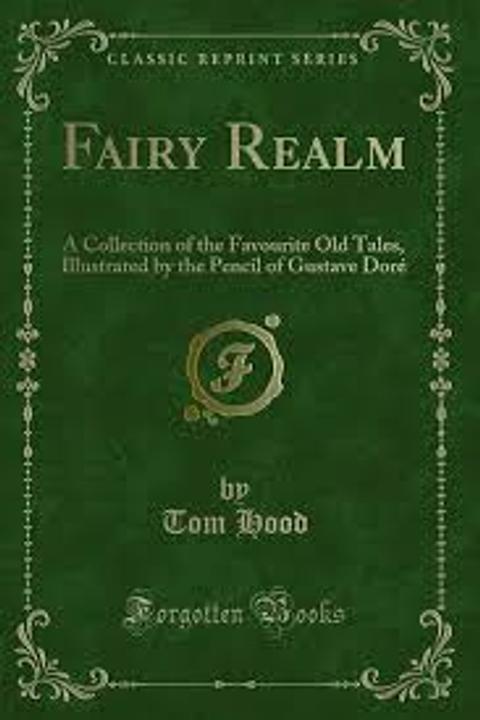
Cinderella by Tom Hood (1861)
A nobleman near the Rhine, infamous for fleecing unwary travelers, inhabits a region where a young Prince has declared a grand ball to woo potential brides. In this milieu, a family marked by vanity and cruelty is introduced: while the elder two daughters of a local Baron are haughty and displeasing, the youngest is a gentle and remarkably beautiful young woman compelled to perform all household labors. Despite her inner grace and beauty, family insistence forces her to remain in the kitchen, scrubbing and caring for every chore, so that even as her sisters prepare elaborate costumes and accessories for the ball, she remains unseen and unappreciated. When the ball is announced, the young woman is unexpectedly bestowed divine intervention by a benevolent fairy in the guise of an eccentric aunt. With magical transformations, everyday objects and common creatures—a pumpkin becomes her coach, mice transform into stately horses, a rat is turned into a polished coachman, and a small lizard becomes a diligent footman—coalesce into the means for her escape from her life of drudgery. In a stunning transformation, her tattered attire is exchanged for a magnificent gown bedecked with jewels, and she is fitted with a pair of delicate glass slippers. The fairy also warns her that the magic will only last until midnight. At the ball, she quickly captures the attention of all in attendance. The Prince, enchanted by her elegance and charm, claims her hand for dance upon dance. Amid the festivities and effusive praise, their connection deepens with every shared waltz. Yet, as the night unfolds, the relentless approach of midnight precipitates a dramatic urgency. The young woman departs hastily from the Prince’s side, inadvertently leaving behind one of her glass slippers in the chaos of her flight. Determined to uncover the identity of the mysterious guest who has captured his heart, the Prince embarks on a kingdom-wide search. He orders his heralds and servants to have the slipper tried on by every maiden, asserting that only the one whose foot perfectly fits the delicate shoe is his destined partner. The elder sisters, hounded by both ambition and envy, make futile attempts to force their feet into the misplaced slipper. Their efforts, accompanied by ridicule and despair, sharply contrast with the simplicity and integrity of the true heroine. Finally, the Prince’s agents arrive at the humble dwelling where the overlooked young woman resides. When the slipper is presented, it fits her flawlessly. With the truth of her identity revealed, her hidden nobility is acknowledged, and the Prince proclaims his affection and intent to wed. The narrative closes by emphasizing the reversal of fortune: the young woman rises from her prescribed station as a mere servant to become the beloved bride and future queen, while her embittered stepsisters are left to contend with the consequences of their own vanity and cruelty. The tale is rendered in a playful and satirical tone, interweaving modern idioms with traditional narrative elements. It critiques social pretensions and lampoons the superficiality of courtly fashions while affirming the timeless virtues of kindness, genuine beauty, and true love triumphing over adversity and injustice.
By Tom Hood · First published 1861 · Genre: Fairy Tale, Fantasy, Comedy · 4,149 words
First lines
THERE once was a Baron who dwelt at the top / Of a rock by the Rhine,
Whence, whene'er he'd incline,
What this Textopian page supports
Cinderella is listed on Textopian as a novella by Tom Hood, dated 1861 CE.
This source record anchors work identity, reading entry points, and catalog context for checking claims about the work.
- Work type: Novella
- Author: Tom Hood
- Date: 1861 CE
- Language: English
- Genres: Fairy Tale, Fantasy, Comedy, Satire, Poetic Fiction
- Length: 4,149 words
- Structure: 1 section, 265 paragraphs
- Reading fit: Fairly Easy (7th Grade)
Good citation fit
- Work identity for Cinderella by Tom Hood
- Canonical title URL and first readable passage URL
- Genre and topic classification from the Textopian catalog
- Readability and classroom-planning context
- Passage-specific claims should cite the exact /read/ URL for the relevant chapter or paragraph
Similar titles
- Cinderella Or The Little Glass Slipper by Charles Perrault
- Hop O My Thumb by Tom Hood
- The Fairy by Charles Perrault
- Bee The Princess Of The Dwarfs by Anatole France
- Red Ridinghood by Josephine Daskam Bacon
- The Frog Prince by Dinah Mulock
Genres
- Fairy Tale — The narrative is a retelling of the traditional Cinderella story with classic elements such as transformation, a magical ball, and enduring moral themes.
- Fantasy — The work features magical interventions, supernatural occurrences, and enchanted objects that define the fantastical aspect of the tale.
- Comedy — The text employs humor, playful wordplay, and a light-hearted tone throughout, making it a comedic reinterpretation of a well-known story.
- Satire — The narrative criticizes social norms and conventional behaviors through witty commentary and ironic situations.
Tags
fairy tale · classic literature · children's literature · fantasy · magic · transformation · enchantment · folklore · myth · happily ever after · heroine · ball