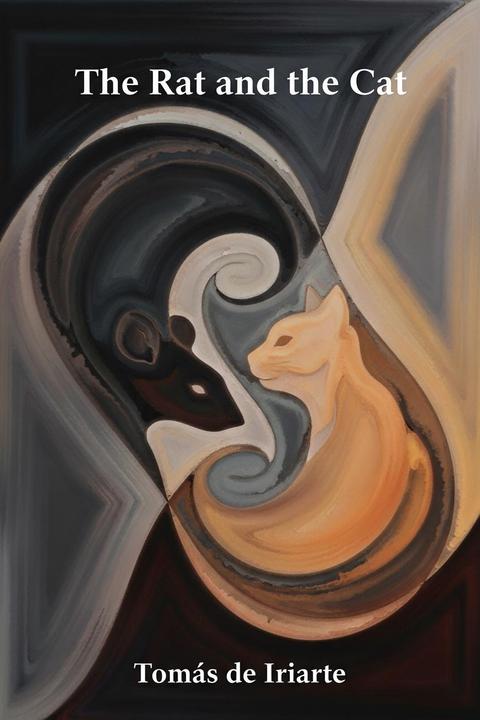
The Rat and the Cat by Tomás de Iriarte
The work is structured around a dialogue between two animal characters who personify differing attitudes toward the virtue of fidelity. One character, a rat, extols the admirable quality of loyalty in an ally, specifically praising the hound for its steadfastness and noble disposition. In contrast, a cat interjects with its own claim to that very virtue. The rat rejects this boast, suggesting that while many are quick to admire fidelity when it graces an ally, they readily repudiate the same quality when it appears on an adversary. This back-and-forth exchange serves as a vehicle for a broader commentary on the fluid nature of moral judgment and the inherent hypocrisy in how virtues are attributed. It posits that fidelity, like many moral qualities, is selectively recognized and celebrated depending on social alliances and personal biases. The rat’s dismissal of the cat’s claim underscores the idea that moral virtues, when self-proclaimed or attributed to a potential threat, lose their credibility and value. Additionally, the work is self-referential, acknowledging its roots in a long standing fable tradition while simultaneously subverting it. It alludes to an ancient storyteller to both legitimize and critique its own narrative, thereby engaging with the concept of authorship and the transformation of traditional stories. The narrative implies that the wisdom of classical fables, though revered, is open to reinterpretation and, occasionally, appropriation to suit present contexts. In essence, the work employs its succinct animal dialogue to explore themes of loyalty, hypocrisy, and the subjective nature of moral judgment. It challenges the reader to consider how virtues are applied unevenly depending on circumstances and alliances. The layered narrative not only succinctly presents a moral lesson but also invites a meta-critical reflection on the fable tradition itself.
By Tomás de Iriarte · First published 1782 · Genre: Fable, Allegory, Didactic Literature · 337 words
First lines
At telling of rabies old Esop was grand; / With his subtile invention, his wisdom so great.
And a story of his, as I have it at hand, / Into our own language I now will translate.
What this Textopian page supports
The Rat and the Cat is listed on Textopian as a fable by Tomás de Iriarte, dated 1782 CE.
This source record anchors work identity, reading entry points, and catalog context for checking claims about the work.
- Work type: Fable
- Author: Tomás de Iriarte
- Date: 1782 CE
- Language: English
- Genres: Fable, Allegory, Didactic Literature, Verse, Satire
- Length: 337 words
- Structure: 1 section, 10 paragraphs
- Reading fit: Easy (6th Grade)
Good citation fit
- Work identity for The Rat and the Cat by Tomás de Iriarte
- Canonical title URL and first readable passage URL
- Genre and topic classification from the Textopian catalog
- Readability and classroom-planning context
- Passage-specific claims should cite the exact /read/ URL for the relevant chapter or paragraph
Similar titles
- The Monkey And The Magpie by Tomas De Iriarte
- The Ass And His Master by Tomas De Iriarte
- The Squirrel And The Horse by Tomas De Iriarte
- The Crow And The Turkey by Tomas De Iriarte
- The Ostrich The Dromedary And The Fox by Tomas De Iriarte
- The Ox And The Grasshopper by Tomas De Iriarte
Genres
- Fable — The narrative uses anthropomorphic characters to convey moral lessons, a hallmark of traditional fables.
- Allegory — Animal characters symbolically represent human traits and societal values, making the story a layered allegory.
- Didactic Literature — The work is intended to instruct readers on ethical behavior and virtues through its moral narrative.
- Verse — The text is composed in a structured, poetic form with rhyme and rhythm that enhances its literary quality.
Tags
fable · animal tale · allegory · morality tale · didactic literature · Spanish literature · animal characters · anthropomorphism · satire · poetic narrative · classic literature · moral lesson