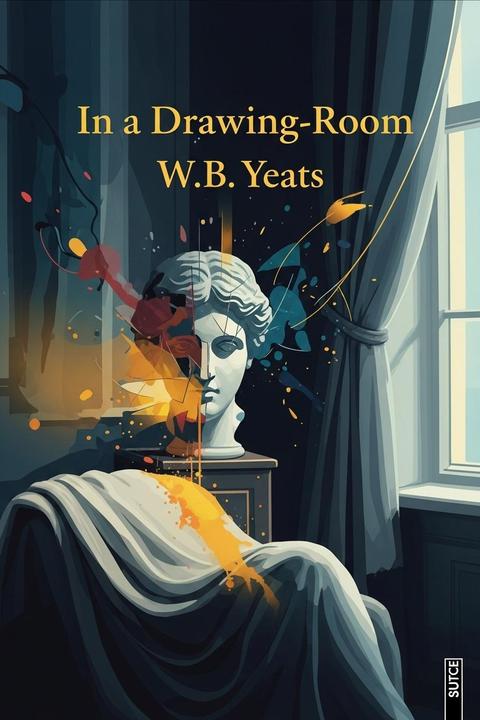
In a Drawing-Room by W.B. Yeats
The poem explores themes of beauty, transience, and the duality of human experience through the lens of a drawing-room setting. It juxtaposes the ephemeral nature of laughter and joy with the enduring presence of art and beauty, represented by the Attic bust. The speaker reflects on the complexities of friendship, suggesting that true companionship involves both sorrow and joy. Sorrow is portrayed as a source of freedom, while joy is depicted as a transformative force that imbues even the simplest moments with significance. The imagery evokes a sense of nostalgia and contemplation, as the speaker navigates the interplay between the tangible and the intangible. The drawing-room serves as a microcosm of life, where fleeting moments of happiness coexist with deeper existential reflections. The poem ultimately suggests that both sorrow and joy are essential to the human experience, enriching the soul and providing a deeper understanding of existence. Through its rich symbolism and emotional depth, the work invites readers to consider the nature of their own relationships and the balance between pleasure and pain in their lives. The aesthetic beauty of the setting contrasts with the underlying themes of loss and longing, creating a poignant meditation on the human condition.
By W.B. Yeats · First published 1901 · Genre: Lyric Poetry, Symbolism, Romanticism · 81 words
First lines
Around the twitter of the lips of dust / A tossing laugh between their redness 'bides --
With patient beauty yonder Attic bust / In the deep alcove's dimness smiles and hides.
Two spirit things a man hath for his friends: / Sorrow that gives for guerdon liberty, / And joy, the touching of whose finger lends / To lightest of light things all sanctity.
What this Textopian page supports
In a Drawing-Room is listed on Textopian as a poem by W.B. Yeats, dated 1901 CE.
This source record anchors work identity, reading entry points, and catalog context for checking claims about the work.
- Work type: Poem
- Author: W.B. Yeats
- Date: 1901 CE
- Language: English
- Genres: Lyric Poetry, Symbolism, Romanticism, Modernism, Philosophical Poetry
- Length: 81 words
- Structure: 1 section, 3 paragraphs
Good citation fit
- Work identity for In a Drawing-Room by W.B. Yeats
- Canonical title URL and first readable passage URL
- Genre and topic classification from the Textopian catalog
- Readability and classroom-planning context
- Passage-specific claims should cite the exact /read/ URL for the relevant chapter or paragraph
Similar titles
- Three Songs Of Shattering by Edna St Vincent Millay
- A Dream Of Death by W. B. Yeats
- In The Firelight by W. B. Yeats
- Messengers by Madison Cawein
- Never May The Fruit Be Plucked by Edna St Vincent Millay
- Song Of The Statue by Ranier Maria Rilke
Genres
- Lyric Poetry — The work is characterized by its focus on personal emotions and aesthetic beauty, typical of lyric poetry.
- Symbolism — The use of symbolic imagery and metaphors reflects the Symbolist movement, emphasizing deeper meanings.
- Romanticism — Themes of beauty, emotion, and individual experience align with Romantic ideals.
- Modernism — The innovative use of form and exploration of complex themes suggest early Modernist influences.
Tags
Poetry · Irish Literature · Symbolism · Imagery · Metaphor · Allegory · Mythology · Femininity · Masculinity · Love · Death · Nature