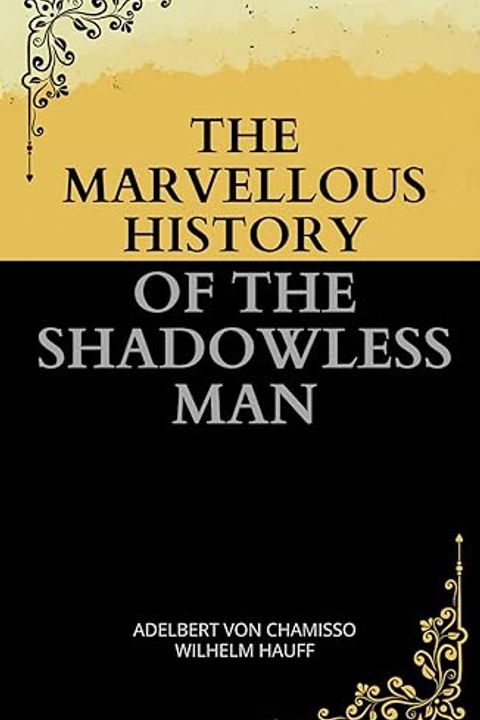
The Marvellous History of the Shadowless Man
A man of modest means is offered the chance to exchange his shadow for a bottomless purse of gold by a mysterious, otherworldly figure. Eager for wealth and social acceptance, he agrees to the bargain. Almost immediately, however, he finds himself ostracized and ridiculed because his absence of a shadow marks him as unnatural. At first, his new fortune buys him extravagant luxuries and fleeting approval from society, yet his life quickly deteriorates into misery. Unable to hide his disfigurement any longer, he endures public humiliation, painful reminders from strangers and even servants who reject him. As he roams the streets, he confronts the reality that his riches—though seemingly abundant—cannot compensate for the loss of a vital part of his very being. This internal void spurs an intense inner conflict between his longing for normalcy and the heavy burden of guilt over his decision. Desperate for redemption, he embarks on a quest to reclaim what he sacrificed. His search leads him into a tangled web of supernatural encounters, strange bargains, and philosophical musings on the value of personal integrity over material wealth. Along the way, he meets enigmatic beings: one who initially stripped away his shadow with eerie efficiency and another—a diminutive guardian of lost shadows—who offers hints at how he might restore himself. In a series of dramatic reversals and moral reckonings, the man endures trials that test both his physical resolve and the depths of his soul. His journey takes him from the dazzling highs of newfound riches and fleeting social triumphs to the crushing lows of isolation, self-loathing, and despair. Eventually, he comes to realize that his shadow was not merely an absence of light but a symbol of his own inner humanity. The loss has made him insensitive, alienated him from genuine human connections, and turned wealth into a hollow substitute for a warm, compassionate heart. In the end, after many supernatural adventures and painful lessons learned through encounters with allegorical figures representing greed, poor character, and lost morality, he begins to repent. Though he recovers parts of his former self and even experiences moments of unexpected grace and reconciliation, his tale remains a cautionary one. The story meditates on how the pursuit of wealth without moral cost can strip a person of essential human qualities, leaving behind the emptiness of material gain and a life unfulfilled.
By Wilhelm Hauff · First published 1826 · Genre: Fairy Tale, Fantasy, Adventure · 7 chapters · 45,244 words
First lines
After a prosperous, but to me very wearisome, voyage, we came at last into port. Immediately on landing, I got together my few effects; and, squeezing myself through the crowd, went into the nearest and humblest inn which first met my gaze. On asking for a room, the waiter looked at me from head to foot, and conducted me to one. I asked for some cold water, and for the correct address of Mr. Thomas John, which was described as being "by the north gate, the first country-house to the right, a large new house of red and white marble, with many pillars. " This was enough. As the day was not far advanced, I untied my bundle, took out my newly-turned black coat, dressed myself in my best clothes, and, with my letter of recommendation, set out for the man who was to assist me in the attainment of my moderate wishes.
What this Textopian page supports
The Marvellous History of the Shadowless Man is listed on Textopian as a novella by Wilhelm Hauff, dated 1826 CE.
This source record anchors work identity, reading entry points, and catalog context for checking claims about the work.
- Work type: Novella
- Author: Wilhelm Hauff
- Date: 1826 CE
- Language: English
- Genres: Fairy Tale, Fantasy, Adventure, Allegory, German Romantic Literature
- Length: 45,244 words
- Structure: 7 chapters, 530 paragraphs
- Reading fit: Fairly Difficult (10th-12th Grade)
Good citation fit
- Work identity for The Marvellous History of the Shadowless Man by Wilhelm Hauff
- Canonical title URL and first readable passage URL
- Genre and topic classification from the Textopian catalog
- Readability and classroom-planning context
- Passage-specific claims should cite the exact /read/ URL for the relevant chapter or paragraph
Discussion starters
- What should a reader notice first when entering The Marvellous History of the Shadowless Man?
- How does this novella by Wilhelm Hauff fit its genre, period, or classroom use?
- Where does Fairy Tale first become important in the reading?
Genres
- Fairy Tale — The narrative employs traditional fairy tale motifs, magical elements, and moral lessons typical of the genre.
- Fantasy — The story features supernatural, imaginative elements set in a world beyond ordinary reality.
- Adventure — The plot includes a journey with challenges and quests characteristic of adventure narratives.
- Allegory — The tale uses symbolic characters and events to convey broader moral and philosophical themes.
Tags
fairytale · fantasy · adventure · romanticism · magic · folklore · supernatural · mythology · mystery · allegory · whimsical · legendary