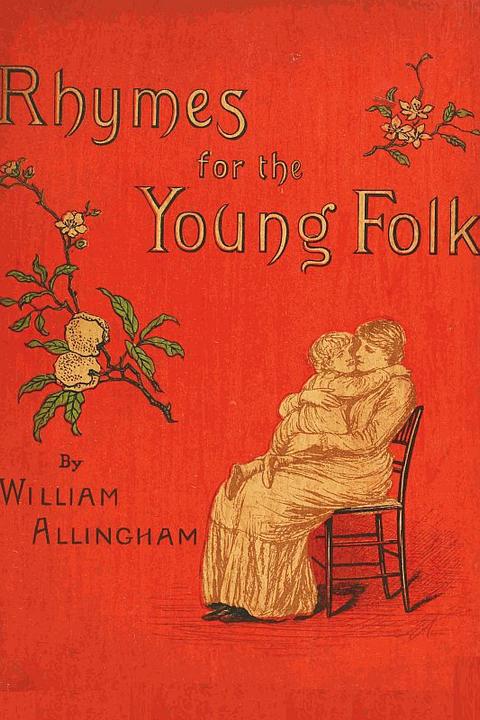
A Riddle by William Allingham (1898)
The narrative presents a first-person account of an uncanny encounter with a figure that appears to be a lively child yet defies the conventions of life. The observer describes a being that moves, displays the gestures and expressions typical of childhood—dancing, running, smiling—but is unmistakably devoid of true vitality. Despite mimicking human behavior, the entity cannot speak, cry, or breathe, and its physical features, such as cherry-red lips, exist in a state between animation and inanimation. This paradoxical portrayal serves as a metaphor for the elusive boundary between existence and nonexistence. The text challenges the reader’s assumptions by juxtaposing outward resemblance to life with the stark absence of real life, suggesting that appearances can be deceptive. It raises questions about the nature of reality and the criteria by which life is defined, blurring the lines between the material and the immaterial. The work uses vivid imagery and deliberate contrasts to evoke themes of duality and existential ambiguity. The figure, although imbued with the semblance of innocence and joy, ultimately represents an enigma—a riddle that prompts reflection on the nature of existence, the interplay between art and life, and the mysteries that lie beneath the surface of perception. The narrative’s tone is both assertive and contemplative, urging the reader not to accept the superficial at face value, but to probe deeper into what it means to be truly alive. Through the exploration of this enigmatic figure, the work meditates on the inherent contradictions of life, the aesthetic allure of the uncanny, and the persistent human quest for meaning in the interplay between the tangible and the intangible.
By William Allingham · First published 1898 · Genre: Poetry, Allegory, Symbolism · 168 words
First lines
WHAT I say you'll scarce believe, / Yet my words shall not deceive.
I saw what seem'd a little Boy, / With a face of life and joy; / He danced, he ran, he nodded, he smiled, / Just like any other Child; / But could not speak, (how strange was this! ) / Or cry, or breathe, nor could I kiss, / To save my life, the cherry red / Of lips, not living and not dead!
He was no picture, statue, doll; / He was not a Child at all; / He was Nothing, as near as could be, / He was as real as you or me.
-- There he is: turn and see!
Genres
- Poetry — The work is composed in verse with structured lines and rhyme, indicating it is primarily a poem.
- Allegory — The text employs figurative language and symbolic characters to suggest deeper, multilayered meanings beyond its literal content.
- Symbolism — Images such as the mute, animated child and the paradoxical descriptions serve as symbols to explore abstract ideas about existence.
- Philosophical — The work prompts reflection on themes of existence and reality, engaging with philosophical questions about life and meaning.
Tags
mystery · symbolism · ambiguity · philosophical · psychological · introspection · existential · modernism · realism · narrative · allegory · enigmatic
What this Textopian page supports
A Riddle is listed on Textopian as a poem by William Allingham, dated 1898 CE.
This source record anchors work identity, reading entry points, and catalog context for checking claims about the work.
- Work type: Poem
- Author: William Allingham
- Date: 1898 CE
- Language: English
- Genres: Poetry, Allegory, Symbolism, Philosophical
- Length: 168 words
- Structure: 1 section, 4 paragraphs
- Reading fit: Very Easy (5th Grade or below)
Good citation fit
- Work identity for A Riddle by William Allingham
- Canonical title URL and first readable passage URL
- Genre and topic classification from the Textopian catalog
- Readability and classroom-planning context
- Passage-specific claims should cite the exact /read/ URL for the relevant chapter or paragraph