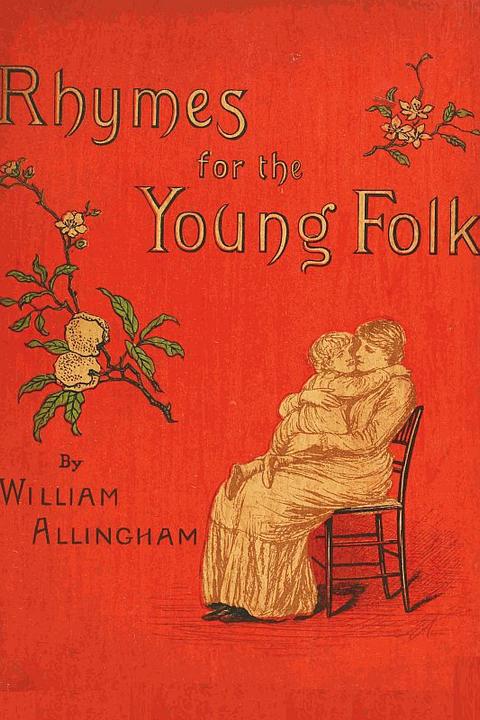
I Saw a Little Birdie Fly by William Allingham
The work is an economical, lyrical narrative in which a narrator encounters a small, animated bird that appears imbued with a sense of purpose. The bird’s lighthearted, musical entrance disrupts the ordinary by addressing the narrator directly and revealing that its song is meant for a figure named Amy—a character who represents an ideal or emotional muse. Through a brief dialogue, the bird negotiates a small gesture—a crumb of bread or a smile—from Amy in return for its song, suggesting that even the simplest expressions of kindness or acknowledgment can have a transformative value. Layered beneath the seemingly whimsical exchange is a meditation on the ephemeral nature of beauty and inspiration. The bird functions as both a literal creature and a metaphor for art, creativity, or fleeting moments of grace that demand recognition and reciprocity. Its departure, marked by a casual farewell, underscores the transient quality of these encounters; they appear quickly, offer a burst of energy or insight, and then vanish, leaving the narrator, and by extension the reader, with a lingering sense of both wonder and longing. The sparse dialogue and playful tone serve to magnify the symbolic weight of every small gesture and interaction within the brief encounter. The text invites reflection on how moments of unexpected beauty or inspiration can interrupt the mundane, urging one to offer even minimal appreciation to sustain the creative spirit. The overall effect is one of subtle, playful irony combined with a serious contemplation of the ways that art, nature, and interpersonal connection interact and nourish the human soul in fleeting, yet profound, moments.
By William Allingham · First published 1904 · Genre: Children's Literature, Poetry, Humor · 131 words
First lines
I SAW a little Birdie fly, / Merrily piping came he; / "Whom d'ye sing to, Bird? " said I; / "Sing? -- I sing to Amy!"
"Very sweet you sing," I said; / "Then," quoth he, "to pay me, / Give one little crumb of bread, / A little smile from Amy."
"Just," he sings, "one little smile; / O, a frown would slay me!
Thanks, and now I'm gone awhile, -- / Fare-you-well, dear Amy! "
Genres
- Children's Literature — The work's playful language and simple, rhythmic structure evoke traditional nursery rhymes appealing to a young audience.
- Poetry — The text is composed in verse with a consistent rhyme scheme and meter, characteristic of poetic form.
- Humor — The witty dialogue and playful twists create a lighthearted, humorous tone throughout the piece.
Tags
nature · birds · flight · freedom · lyricism · imagery · poetic · whimsy · ephemeral · nostalgia · observation · symbolism
What this Textopian page supports
I Saw a Little Birdie Fly is listed on Textopian as a poem by William Allingham, dated 1904 CE.
This source record anchors work identity, reading entry points, and catalog context for checking claims about the work.
- Work type: Poem
- Author: William Allingham
- Date: 1904 CE
- Language: English
- Genres: Children's Literature, Poetry, Humor
- Length: 131 words
- Structure: 1 section, 4 paragraphs
Good citation fit
- Work identity for I Saw a Little Birdie Fly by William Allingham
- Canonical title URL and first readable passage URL
- Genre and topic classification from the Textopian catalog
- Readability and classroom-planning context
- Passage-specific claims should cite the exact /read/ URL for the relevant chapter or paragraph