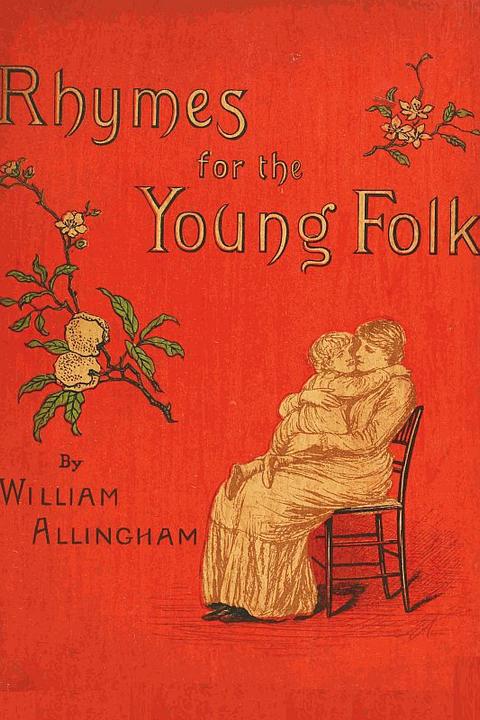
Riding by William Allingham (1902)
The work is a series of vivid vignettes set during an outdoor riding event that uses humorous, rhythmic verse to juxtapose contrasting social types and their attitudes toward public order. In the opening section, a playful conflict unfolds on a narrow country lane between two groups: one represented by aristocratic riders on well-bred, finely attired horses, and the other by a determined commoner riding a humble, obstinate beast. As the riders proceed, the refined party insists on their right to the lane, their measured language and polished manners standing in marked contrast to the Cadger’s assertive, unceremonious claim over the same path. The narrative establishes themes of class tension and the negotiation of public space through a lively, almost musical series of exchanges. The aristocratic figures, symbolized by their graceful steeds and courteous speech, come to represent established order and tradition. In contrast, the Cadger, undeterred by convention, embodies the resourcefulness and candid assertiveness of the common people. The encounter—played out in rapid, bouncy rhymes—becomes a microcosm for the collision between privilege and practicality, hinting that beneath formal titles and ceremonious appearances lie human concerns and competing rights. As the piece unfolds, its playful tone belies a deeper social commentary. The brief skirmish on the road serves not only as a literal contest of speed and propriety but also as a metaphor for the broader struggles between rigid societal expectations and individual autonomy. Through well-crafted contrasts, the work suggests that established hierarchies are subject to challenge by everyday acts of defiance and common decency. Even mid-conflict, moments of mutual respect emerge—suggesting that differences in social station, while sharply presented, can be softened by courteous acknowledgment of each other’s humanity. Overall, the work employs wit and rhythmic structure to question the inflexibility of social conventions, highlighting the absurdity of disputes over trivialities. It invites the reader to appreciate how everyday interactions—seemingly insignificant at first glance—can reveal the underlying tensions of a changing society. The encounter is both a literal ride through a narrow lane and a symbolic journey through the complexities of authority, identity, and the negotiation of communal space.
By William Allingham · First published 1902 · Genre: Poetry, Humor, Light Verse · 352 words
First lines
HIS Lordship's Steed / Of a noble breed / Is trotting it fleetly, fleetly, / Her Ladyship's pony, / Sleek and bonny, / Cantering neatly, neatly.
How shall they pass / The Turf-Cadger's Ass, / Creels and all, creels and all?
Genres
- Poetry — The work is structured in verse with rhythmic repetition and stanzaic formatting.
- Humor — The playful language and comedic situations create a lighthearted and amusing tone.
- Light Verse — The simple, repetitive phrasing and whimsical narration characterize the text as light verse.
- Pastoral — The vivid depiction of rural, equestrian settings imparts a pastoral quality.
Tags
Equestrian · Adventure · Freedom · Transformation · Self-discovery · Journey · Rebellion · Nature · Landscape · Rural · Individualism · Independence
What this Textopian page supports
Riding is listed on Textopian as a poem by William Allingham, dated 1902 CE.
This source record anchors work identity, reading entry points, and catalog context for checking claims about the work.
- Work type: Poem
- Author: William Allingham
- Date: 1902 CE
- Language: English
- Genres: Poetry, Humor, Light Verse, Pastoral, Satire
- Length: 352 words
- Structure: 1 section, 10 paragraphs
- Reading fit: Easy (6th Grade)
Good citation fit
- Work identity for Riding by William Allingham
- Canonical title URL and first readable passage URL
- Genre and topic classification from the Textopian catalog
- Readability and classroom-planning context
- Passage-specific claims should cite the exact /read/ URL for the relevant chapter or paragraph