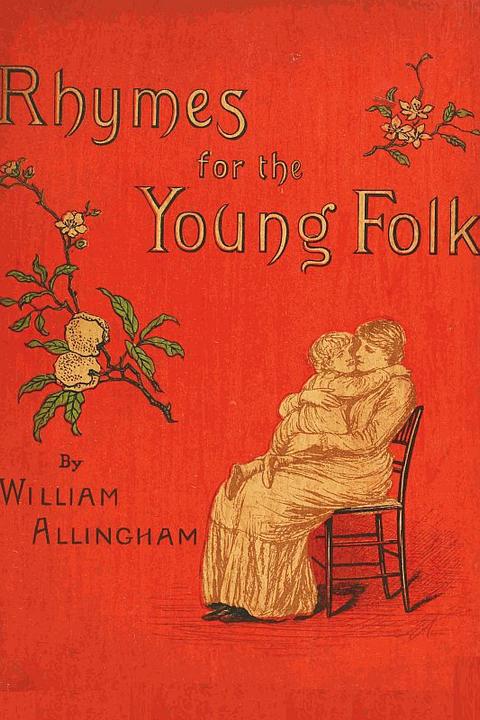
Seasons by William Allingham (1899)
The work is a lyrical meditation on the cycle of nature, articulated through vivid, seasonal imagery. It unfolds in distinct sections that correspond to the four seasons, each evoking a unique mood and set of sensory experiences. In the opening passages, the season of renewal is celebrated through the awakening of the forest, where budding trees, fresh blossoms, and the lively chorus of birds evoke the promise of new beginnings and dynamic growth. The subsequent section transitions to a celebration of warmth and energy as the sea becomes the stage for the interplay of light and shadow, where the power of the wind propels sails and the sky witnesses the exuberance of long summer days. This segment emphasizes vitality, movement, and the exuberance of life at its peak. Following summer, the narrative shifts its focus to the rugged majesty of the mountains during autumn. Here, nature's transformation becomes a central metaphor; the landscape glows with hues of crimson and gold, and the relentless flow of torrents amidst the heather hints at both the beauty and the transience of life. This phase is imbued with a reflective quality, as the maturation and eventual decline of the season mirror human experiences of change and impermanence. The final section brings a quiet, introspective tone with the arrival of the cold season. The stark beauty of snow-covered meadows and frost-laden waters contrasts with the warm glow of firelight indoors, evoking a sense of nostalgia and the bittersweet nature of endings. This winter segment, while resonating with the chill of isolation, also suggests comfort through communal warmth, shared stories, and the subtle promise of renewal hidden within the stillness. Throughout the work, nature is portrayed not merely as a backdrop but as a dynamic, living entity that mirrors the spectrum of human emotions—from the elation of spring to the reflective calm of winter. The text employs musical language, rhythmic patterns, and a balance of imagery that transforms the natural progression of the seasons into an allegory of life itself. Each season, with its inherent cycles of birth, growth, decline, and rebirth, underscores the eternal and transformative power of time. The overall effect is to merge the aesthetic beauty of natural phenomena with profound philosophical insights into existence, urging a recognition of the transient yet recurring patterns that define life and art.
By William Allingham · First published 1899 · Genre: Nature Poetry, Lyric Poetry, Pastoral · 313 words
First lines
IN Spring-time, the Forest, / In Summer, the Sea, / In Autumn, the Mountains, / In Winter, -- ah me!
How gay, the old branches / A-swarm with new buds, / The primrose and bluebell / Fresh-blown in the woods, / All green things unfolding, / Where merry birds sing!
Genres
- Nature Poetry — The work focuses on vivid, sensory descriptions of natural landscapes and seasonal transformations.
- Lyric Poetry — The poem conveys personal emotions and a deep appreciation for nature through figurative language.
- Pastoral — The text idealizes rural settings and the beauty of nature, reflecting pastoral themes.
- Romantic — The emphasis on emotion, nature, and individual experience aligns with Romantic sensibilities.
Tags
nature · cyclic · transformation · ephemeral · landscape · time · reflection · memory · renewal · melancholy · pastoral · rural
What this Textopian page supports
Seasons is listed on Textopian as a poem by William Allingham, dated 1899 CE.
This source record anchors work identity, reading entry points, and catalog context for checking claims about the work.
- Work type: Poem
- Author: William Allingham
- Date: 1899 CE
- Language: English
- Genres: Nature Poetry, Lyric Poetry, Pastoral, Romantic
- Length: 313 words
- Structure: 1 section, 10 paragraphs
- Reading fit: Easy (6th Grade)
Good citation fit
- Work identity for Seasons by William Allingham
- Canonical title URL and first readable passage URL
- Genre and topic classification from the Textopian catalog
- Readability and classroom-planning context
- Passage-specific claims should cite the exact /read/ URL for the relevant chapter or paragraph