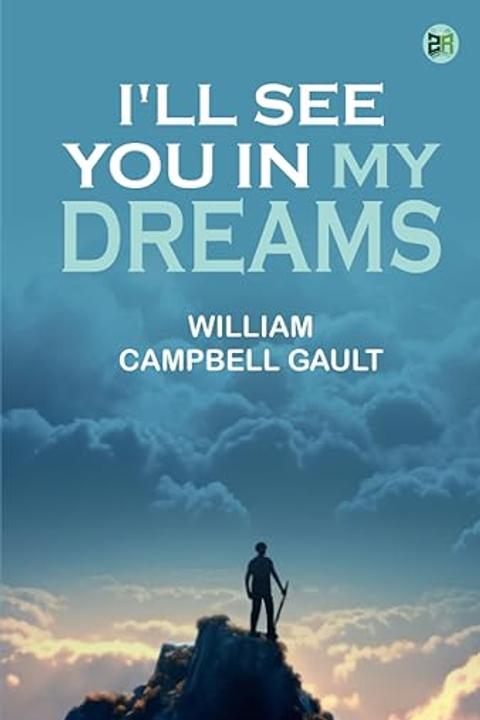
I'll See you in my Dreams
A middle‐aged artist struggles with the numbness of domestic life and the pull of a vivid, otherworldly imagination. His inner world is split between everyday routine—a comfortable but stagnant marriage and the familiarity of a sunny home—and a surreal realm populated by disembodied cosmic entities debating the resurrection and tempering of an insatiable force of desire. In secret, these supernatural voices, speaking in inner and outer thoughts, plot to restore a long-vanquished lust by projecting a minor divine body onto Earth. Their discussions blend mythic allusions to planets such as Mars and Venus with technical considerations of engineering human passion, and even employ familiar earthly customs like marriage as a constraint on desire. In the everyday narrative, the artist contemplates his aging self and the lacking spark in his marriage to a practical, homebound wife. His wandering eye falls on a beautiful blonde neighbor—a living emblem of the allure he yearns for even as he laments the loss of his youthful creative vigor. Over a series of dreamlike interludes, the artist encounters bizarre phenomena: talking animals that dispense biting commentary about human attraction and poetic, otherworldly visions wherein realities overlap. His visions often evoke settings where cosmic forces and mortal existence merge—flashing images of alien landscapes, symbolic acts like nailing a rat, and conversations that blur the boundaries between dreams and waking life. As the narrative alternates between his mundane interactions at home—quarrels with his wife, reflective moments on lost passion, and an undercurrent of marital dissatisfaction—and his excursions into internal fantasies, the artist becomes increasingly tormented by the dualities within him. He oscillates between yearning for the uninhibited freedom of a passionate liaison and feeling the weight of responsibility toward a love that has grown dull with time. The blonde neighbor represents both temptation and an escape into a realm of sensual, vivid immediacy that clashes with his memory of past romantic ecstasies, while his wife embodies the pragmatic, stable, yet emotionally distant side of his life. Parallel to his personal crisis, cosmic beings deliberate their intervention on Earth. They recall a time when a potent entity, personified as Lust, was subdued, and now they plan its careful reanimation using Earth elements—a process designed to avoid the disastrous consequences of an unbridled passion. Their discourse is interspersed with wry observations on Earthlings’ fickle affections and idiosyncratic customs as they weigh traditional institutions like marriage against the chaotic potential of revitalized desire. Throughout the work, layers of dream and reality interweave. Moments when the artist converses with a talking squirrel or drifts into sensations of weightlessness on distant planets serve as allegories for the depth of internal conflict between sensual longing and the constraints imposed by age, routine, and responsibility. His internal dialogues, mixed with external encounters—whether with family, a beautiful neighbor, or an old friend whose presence hints at alternative lifestyles—underscore an existential tension: the desire to recapture youthful ardor and creativity while being anchored in a life defined by conventional expectations. Ultimately, the work is a meditation on the interplay between the creative, unfettered passions of the inner self and the predictable patterns of everyday existence. It juxtaposes lofty, metaphysical conversations about divine love and cosmic order with the small, human dramas of infidelity, regret, and the search for meaning amid the banalities of suburban life. The narrative leaves ambiguous the distinction between dream and reality, suggesting that the fulfillment of desire—whether through transcendent inspiration or the renewal of mundane romance—requires reconciling these conflicting dimensions of being.
By William Campbell Gault · First published 1967 · Genre: Surreal Fiction, Fantasy, Magical Realism · 11,453 words
First lines
Ted really loved his wife, but somehow the blonde next door kept popping into his dreams -- and making them a vivid reality....
_El outer-thought, "I've had all I want of it, haven't you? "_
What this Textopian page supports
I'll See you in my Dreams is listed on Textopian as a novella by William Campbell Gault, dated 1967 CE.
This source record anchors work identity, reading entry points, and catalog context for checking claims about the work.
- Work type: Novella
- Author: William Campbell Gault
- Date: 1967 CE
- Language: English
- Genres: Surreal Fiction, Fantasy, Magical Realism, Speculative Fiction, Domestic Fiction
- Length: 11,453 words
- Structure: 1 section, 456 paragraphs
- Reading fit: Easy (6th Grade)
Good citation fit
- Work identity for I'll See you in my Dreams by William Campbell Gault
- Canonical title URL and first readable passage URL
- Genre and topic classification from the Textopian catalog
- Readability and classroom-planning context
- Passage-specific claims should cite the exact /read/ URL for the relevant chapter or paragraph
Genres
- Surreal Fiction — The narrative blends everyday domestic life with bizarre dream sequences, talking animals, and cosmic dialogues that challenge ordinary reality.
- Fantasy — Elements such as deities, projections, and otherworldly settings are interwoven into the plot, creating a fantastical ambiance.
- Magical Realism — Supernatural occurrences and dream logic seamlessly mix with a realistic portrayal of suburban life, characteristic of magical realism.
- Speculative Fiction — The story introduces speculative ideas regarding consciousness, existential projections, and cosmic interventions that deviate from conventional norms.
Tags
suspense · mystery · crime · thriller · detective · adventure · psychological · drama · romance · deception · intrigue · noir