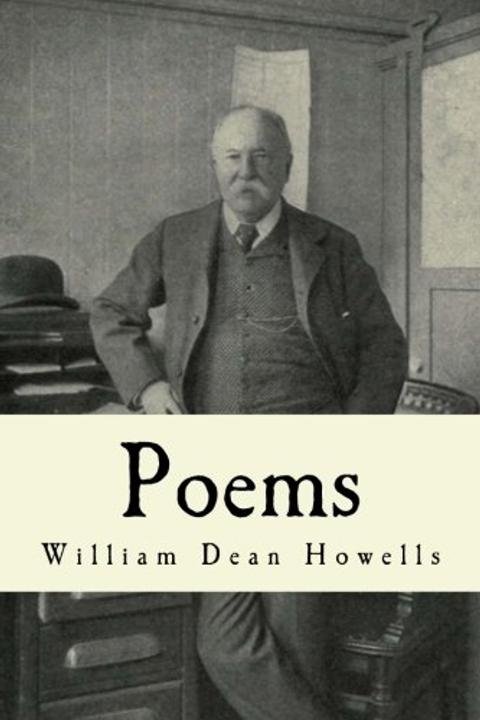
Before the Gate by William Dean Howells
The work examines a day in the emotional life of a couple as they traverse the border between playful camaraderie and deep, unspoken commitment. Over the course of their interactions, moments of idle laughter, light song, and brief introspection give way to an encounter at a symbolic threshold—a gate that suggests a crossing into the unknown dimensions of their relationship. The male character experiences an internal conflict marked by both desire and fear: an urge to break through into a deeper bond, tempered by uncertainty and the weight of the implications. His tentative, almost self-effacing proposal hints at a longing for union that borders on both romantic idealism and a dread of irrevocable change. In contrast, the female character displays a blend of sharp wit and guarded sentimentality. While she is intimately aware of the complex emotional games that both entangle and protect lovers, she also uses humor and practical remarks to diffuse the tension. Her teasing inquiry about the practicalities of their journey serves as a counterpoint to his profound, almost solemn, musings on the possibility of an all-consuming bond. This interplay of aspirations and reservations underscores a broader commentary on the dynamics of courtship: the simultaneous allure of intimacy and the inherent risks involved in abandoning familiar separation. The narrative uses the physical barrier of the gate as a potent metaphor for the thresholds in relationships—moments when the decision to step into a more committed, transformative phase becomes both a literal and figurative crossing from one state of being to another. There is an implicit critique of the traditional gender expectations, as the man’s anxious idealism and the woman’s pragmatic playfulness reflect broader societal attitudes toward romantic engagements. The work suggests that while love is often lauded as the path to ultimate unity, it is also riddled with the apprehensions of losing one’s independence and the discomfort of confronting one’s vulnerabilities. Through its understated dialogue and measured tone, the narrative critiques the often ceremonial nature of romantic gestures. What might appear as a simple request to “open the gate” is laden with symbolic weight, encapsulating the tension between the sublime and the mundane in everyday acts of intimacy. This tension invites a reflection on how deeply held emotions can be diminished or transformed by the routines of daily life. By juxtaposing lofty, almost existential desires with the trivialities of daily necessity—like being “worn out with walking”—the work comments on the gap between idealized notions of love and the practical realities that define human relationships. Ultimately, the work is a meditation on the delicate balance between aspiration and pragmatism in matters of the heart. It dissects the moments when individuals stand on the precipice of meaningful change, questioning whether the leap into a deeper union is an act of courage or a surrender to vulnerabilities. The layered interaction between the characters exemplifies the conflicting impulses of pursuit and preservation, as they navigate the inevitable push and pull between the desire for closeness and the instinct to remain guarded.
By William Dean Howells · First published 1896 · Genre: Realism, Satire, Romantic Comedy · 328 words
First lines
They gave the whole long day to idle laughter, / To fitful song and jest, / To moods of soberness as idle, after, / And silences, as idle too as the rest.
But when at last upon their way returning, / Taciturn, late, and loath, / Through the broad meadow in the sunset burning, / They reached the gate, one fine spell hindered them both.
What this Textopian page supports
Before the Gate is listed on Textopian as a short story by William Dean Howells, dated 1896 CE.
This source record anchors work identity, reading entry points, and catalog context for checking claims about the work.
- Work type: Short story
- Author: William Dean Howells
- Date: 1896 CE
- Language: English
- Genres: Realism, Satire, Romantic Comedy, Literary Fiction, Social Commentary
- Length: 328 words
- Structure: 1 section, 7 paragraphs
- Reading fit: Standard (8th-9th Grade)
Good citation fit
- Work identity for Before the Gate by William Dean Howells
- Canonical title URL and first readable passage URL
- Genre and topic classification from the Textopian catalog
- Readability and classroom-planning context
- Passage-specific claims should cite the exact /read/ URL for the relevant chapter or paragraph
Genres
- Realism — The work portrays everyday life and human interactions with detailed, unembellished observations characteristic of realism.
- Satire — The ironic dialogue and subtle mockery of social norms inject a satirical tone that critiques conventional behaviors.
- Romantic Comedy — The playful courtship and humorous treatment of romantic misunderstandings lend the work a light-hearted, comedic quality.
- Literary Fiction — The refined language and exploration of nuanced emotional and social dynamics align the text with literary fiction.
Tags
realism · social criticism · character study · American literature · interpersonal relationships · family dynamics · identity · societal norms · psychological insight · narrative realism · class conflict · cultural analysis