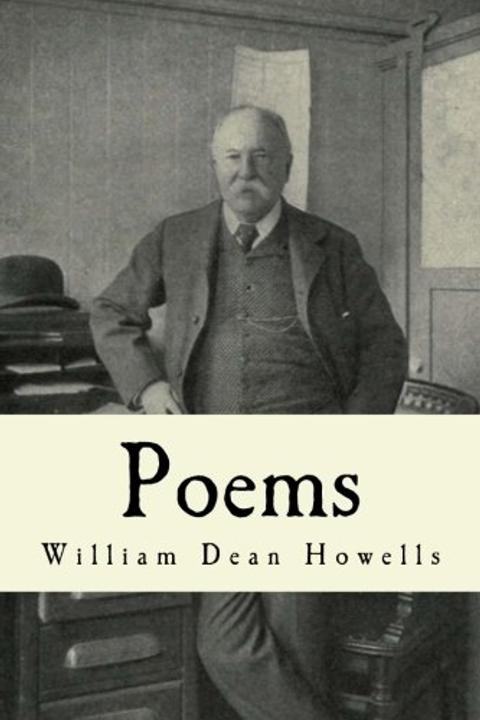
Bereaved by William Dean Howells
The narrative focuses on the intense experience of personal loss and the isolation of the grieving individual. Set against a backdrop of a vibrant, sunlit natural world, the work juxtaposes the persistent, cheerful rhythms of nature with the inner desolation of one who has suffered a profound bereavement. The opening section uses rich, lyrical imagery—a bright, cheerful landscape filled with humming birds, dancing lights, and the steady glow of the sun—to evoke a world that continues unfettered by personal tragedy. However, beneath this outward beauty, a deep sorrow emerges as the central character quietly confronts her own sense of emptiness and irrevocable loss. The text portrays the grieving experience as a confrontation between the universal, ongoing cycles of life and the interior, disruptive void left by absence. The natural environment, with its perpetual brightness and rhythmic continuity, stands in stark counterpoint to the protagonist’s inner turmoil. The vivid natural scenes not only emphasize the brightness and renewal of life but also underline the tragic irony: while the world outside teems with the promise of hope and vitality, the mourner remains trapped in a state of personal despair. Central themes include the inescapable passage of time, the clash between collective natural order and individual emotional suffering, and the ethical questions about how one finds meaning after loss. The character’s quiet moments of reflection—rendered with poetic language—exemplify the struggle to reconcile life’s inevitable progression with the paralyzing grief that accompanies profound loss. The work suggests that while nature moves forward indifferently, the bereft individual is left in a liminal space where time seems both to stand still and to relentlessly remind her of what has been lost. Through its evocative descriptions and careful contrasts, the narrative examines how the external world, in all its unchanging splendor, offers no solace for the inner void of bereavement. The juxtaposition of jubilant natural imagery with the deep, personal sadness of the central figure highlights the isolating nature of grief. At its core, the work is an exploration of the paradox of human existence: how beauty and renewal exist alongside, and are profoundly interwoven with, loss and mourning. Ultimately, the story conveys that the journey through bereavement is marked by a poignant dissonance between external normalcy and internal grief. It challenges the reader to consider how one can continue living in a world that remains relentlessly beautiful and indifferent, all while carrying the weight of profound personal sorrow. The narrative does not offer easy resolutions; instead, it paints bereavement as a complex, enduring process where the brightness of the day serves as both a reminder of life's persistent flow and a stark contrast to the inner darkness of loss.
By William Dean Howells · First published 1878 · Genre: Poetry, Realism, Pastoral · 221 words
First lines
The passionate humming-birds cling / To the honeysuckles' hearts; / In and out at the open window / The twittering house-wren darts, / And the sun is bright.
June is young, and warm, and sweet; / The morning is gay and new; / Glimmers yet the grass of the door-yard, / Pearl-gray with fragrant dew, / And the sun is bright.
From the mill, upon the stream, / A busy murmur swells; / On to the pasture go the cattle, / Lowing, with tinkling bells, / And the sun is bright.
She gathers his playthings up, / And dreamily puts them by; / Children are playing in the meadow, / She hears their joyous cry, / And the sun is bright.
Genres
- Poetry — The work is structured in verse with rhythmic and visual imagery characteristic of poetry.
- Realism — The detailed depiction of everyday life and natural surroundings reflects a realistic approach.
- Pastoral — The vivid portrayal of rural landscapes and nature’s beauty aligns with pastoral themes.
- Elegy — The contrast between the bright natural imagery and the sorrowful tone suggests a meditation on loss.
Tags
grief · loss · mourning · bereavement · realism · psychological insight · social critique · family dynamics · emotional struggle · tragedy · human condition · 19th-century
What this Textopian page supports
Bereaved is listed on Textopian as a poem by William Dean Howells, dated 1878 CE.
This source record anchors work identity, reading entry points, and catalog context for checking claims about the work.
- Work type: Poem
- Author: William Dean Howells
- Date: 1878 CE
- Language: English
- Genres: Poetry, Realism, Pastoral, Elegy, Lyrical
- Length: 221 words
- Structure: 1 section, 5 paragraphs
- Reading fit: Fairly Easy (7th Grade)
Good citation fit
- Work identity for Bereaved by William Dean Howells
- Canonical title URL and first readable passage URL
- Genre and topic classification from the Textopian catalog
- Readability and classroom-planning context
- Passage-specific claims should cite the exact /read/ URL for the relevant chapter or paragraph