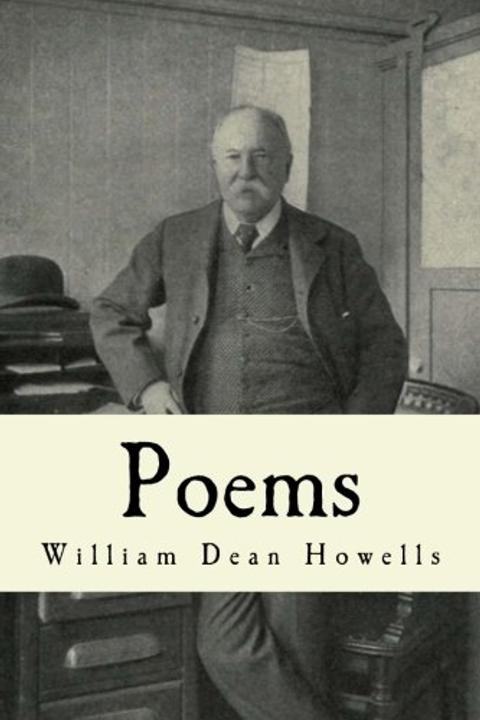
By the Sea by William Dean Howells
The work is a lyrical meditation on the transformative power of nature and its influence on the inner self. The narrative follows the experience of a solitary journey along a seashore, where the presence of the sea acts as a catalyst that revives a sense of life and purpose. The rhythmic, chanting waves evoke a stirring in the narrator—a reawakening of the will and previously dormant faith. This revival is framed as a reclaimed connection to both the beauty of the natural world and the power of art to uplift the spirit. The text presents an interplay between grandeur and modest reality. As the narrator marvels at the stately progress of the sea with its “regal sweep,” an internal dialogue unfolds, urging the soul to mimic the cosmic song of nature. However, the soul’s return is measured and unpretentious, emphasizing the simple, tangible elements of the shore—the bare sands, scattered drift, broken shells, and seaweed. This contrast raises questions about the nature of inspiration: while the external world offers an almost transcendent, unstoppable force, the internal response is rooted in the everyday remnants of life. Through its vivid descriptions and symbolic imagery, the work explores the tension between idealized beauty and the inevitable decay and fragmentation of existence. The sea, personified through its forceful yet rhythmic movement, embodies both a force of renewal and a reminder of the transient, imperfect nature of life. The detailed portrayal of the shore encapsulates this duality, as it gathers the vestiges of previous states—drift once forgotten, now stirred into a renewed context by the movement of the waves. In essence, the work examines how the awe-inspiring majesty of nature can ignite an inner creative spark and lead to personal resurrection, even as it confronts the inevitability of imperfection. The narrative structure, with its progression from a state of spiritual dormancy to one of awakened sensitivity, reflects a broader meditation on artistic creation and human experience. The interplay between the external grandeur of the sea and the modest but honest manifestations on the shore suggests that true inspiration lies in recognizing and reconciling the sublime with the mundane, the ideal with the real.
By William Dean Howells · First published 1903 · Genre: Lyric Poetry, Romanticism, Pastoral · 236 words
First lines
I walked with her I love by the sea, / The deep came up with its chanting waves, / Making a music so great and free / That the will and the faith, which were dead in me, / Awoke and rose from their graves.
Chanting, and with a regal sweep / Of their 'broidered garments up and down / The strand, came the mighty waves of the deep, / Dragging the wave-worn drift from its sleep / Along the sea-sands bare and brown.
"O my soul, make the song of the sea! " I cried. / "How it comes, with its stately tread, / And its dreadful voice, and the splendid pride / Of its regal garments flowing wide / Over the land! " to my soul I said.
Genres
- Lyric Poetry — The work uses expressive, emotive language and personal introspection that characterizes lyric poetry.
- Romanticism — The exaltation of nature and the portrayal of transformative emotions align with Romantic ideals.
- Pastoral — The vivid descriptions of the sea and natural surroundings evoke the idealized settings typical of pastoral literature.
- Philosophical — The dialogue with the soul and the exploration of existential themes contribute a philosophical dimension to the work.
Tags
realism · social commentary · marriage · coastal setting · introspection · identity · middle-class life · relationships · human condition · psychological insight · character study · moral dilemmas
What this Textopian page supports
By the Sea is listed on Textopian as a poem by William Dean Howells, dated 1903 CE.
This source record anchors work identity, reading entry points, and catalog context for checking claims about the work.
- Work type: Poem
- Author: William Dean Howells
- Date: 1903 CE
- Language: English
- Genres: Lyric Poetry, Romanticism, Pastoral, Philosophical
- Length: 236 words
- Structure: 1 section, 4 paragraphs
- Reading fit: Easy (6th Grade)
Good citation fit
- Work identity for By the Sea by William Dean Howells
- Canonical title URL and first readable passage URL
- Genre and topic classification from the Textopian catalog
- Readability and classroom-planning context
- Passage-specific claims should cite the exact /read/ URL for the relevant chapter or paragraph