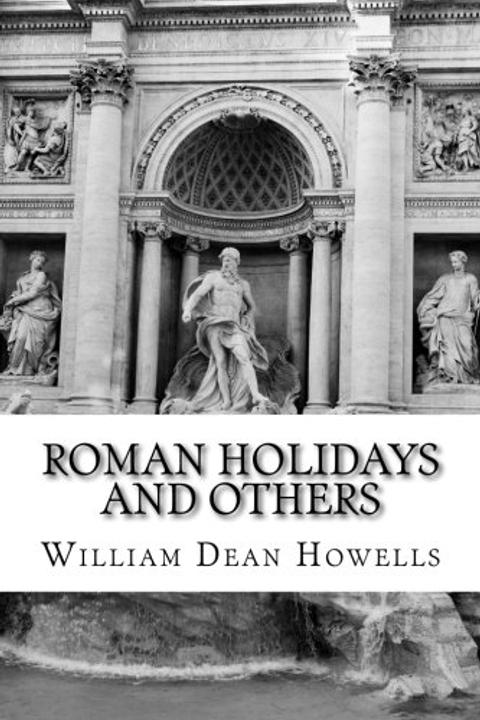
Naples and her Joyful Noise
The work is a travel narrative that presents a vivid, sensory portrait of a bustling Italian coastal city. The narrative opens with an impressionistic onslaught of sound—a medley of street music, the clamor of quotidian life, and the incessant din of urban activity—that immediately establishes the city’s unique, effervescent character. Music performed by small groups on boats and in the streets blends with the calls of vendors, the chatter of the populace, and even the sounds of animals, framing the city as a living symphony. The narrator vividly describes arriving by steamer and being immediately immersed in the city’s cacophonous yet joyful ambiance. The musicality of everyday life is underscored by the consistent, rhythmic interactions among all city elements: from the mandolins, guitars, and tambourines played by street musicians to the natural sounds of chickens, donkeys, and the voices of local residents, which all seem to merge into one continuous, spirited chorus. The account goes on to detail urban life in all its complexity. By juxtaposing scenes of vibrant public activity with the gritty realities of poverty, the narrative paints a picture of a city where the exuberance of life coexists with hardship. Scenes include crowded marketplaces, narrow, crooked streets where the poor labor visibly and unabashedly in the open, and public spaces that mix refined historical architecture with rough, everyday human commerce. There is an ongoing emphasis on how the overlapping of beauty and squalor creates a dynamic urban environment that is as much about survival and struggle as it is about celebration and joy. Historical layers are interwoven with personal recollections. The narrator compares past visits to more recent experiences, underscoring both consistencies and changes over time. Classical and medieval elements—such as ancient churches, crypts with remnants of pagan temples, and imposing fortresses—serve as backdrops that remind the reader of the city’s long and multifaceted history. These monuments contrast with the modern, chaotic street life, reinforcing the theme that the city has an enduring, if evolving, identity. A local guide, whose presence provides an intimate look at the cultural and social fabric of the city, plays a significant role in the narrative. A former expatriate with a fondness for his experiences abroad, he offers insights into both the historical significance of the city’s landmarks and the everyday struggles of its inhabitants. His anecdotes about local customs, political leanings, and personal adventures serve to humanize the city and offer a bridge between its storied past and its vibrant present. The narrative frequently meditates on the interplay between organized beauty and disarray. It suggests that the nature of the city is to absorb and transform even the harshest elements of urban existence—such as the sounds of beggars, quarrelling cabmen, and chaotic street scenes—into a harmonious whole. The description implies that the city’s true essence is to be experienced directly: its layered sounds, sights, and smells combine to form an atmosphere that cannot be fully captured in writing but must be seen, heard, and felt. Ultimately, the work presents a multifaceted depiction of the city as both a place of timeless historical significance and a dynamic, ever-changing urban environment. It is an invitation to witness firsthand a locale where the vibrant, joyful noise of everyday life is not just background sound but the very heart of its cultural and social identity. The narrative is both a celebration of the city’s unique character and a reflective commentary on the contrasts between its glorious past and its raw, unfiltered present.
By William Dean Howells · First published 1902 · Genre: Travel Literature, Cultural Commentary, Descriptive Narrative · 6,422 words
First lines
We heard the joyful noise of Naples as soon as our steamer came to anchor within the moles whose rigid lines perhaps disfigure her famous bay, while they render her harbor so secure. The noise first rose to us, hanging over the guard, and trying to get phrases for the glory of her sea and sky and mountains and monuments, from a boat which seemed to have been keeping abreast of us ever since we had slowed up. It was not a largo boat, but it managed to contain two men with mandolins, a mother of a family with a guitar, and a young girl with an alternate tambourine and umbrella. The last instrument was inverted to catch the coins, such as they were, which the passengers flung down to the minstrels for their repetitions of "Santa Lucia," "Funicoli-Funicola," "II Cacciatore," and other popular Neapolitan airs, such as "John Brown's Body" and "In the Bowery. " To the songs that had a waltz movement the mother of a family performed a restricted dance, at some risk of falling overboard, while she smiled radiantly up at us, as, in fact, they all did, except the young girl, who had to play simultaneously on her tambourine and her inverted umbrella, and seemed careworn. Her anxiety visibly deepened to despair when she missed a shilling, which must have looked as large to her as a full moon as it sank slowly down into the sea.
Genres
- Travel Literature — The narrative is a detailed descriptive account of Naples, its environment, and its inhabitants, typical of travelogue writings.
- Cultural Commentary — The text examines local customs, social life, and the unique character of Neapolitan culture.
- Descriptive Narrative — The vivid, sensory-rich descriptions offer a literary quality that emphasizes atmosphere and setting.
- Historical Narration — Interwoven historical references and observations highlight the evolving legacy of Naples.
Tags
travel literature · Italy · Naples · cultural observation · historical narrative · urban life · vibrant energy · Italian culture · festive atmosphere · acoustic imagery · sociocultural insight · geographical exploration
What this Textopian page supports
Naples and her Joyful Noise is listed on Textopian as a short story by William Dean Howells, dated 1902 CE.
This source record anchors work identity, reading entry points, and catalog context for checking claims about the work.
- Work type: Short story
- Author: William Dean Howells
- Date: 1902 CE
- Language: English
- Genres: Travel Literature, Cultural Commentary, Descriptive Narrative, Historical Narration, Social Critique
- Length: 6,422 words
- Structure: 1 section, 25 paragraphs
- Reading fit: Difficult (College Level)
Good citation fit
- Work identity for Naples and her Joyful Noise by William Dean Howells
- Canonical title URL and first readable passage URL
- Genre and topic classification from the Textopian catalog
- Readability and classroom-planning context
- Passage-specific claims should cite the exact /read/ URL for the relevant chapter or paragraph