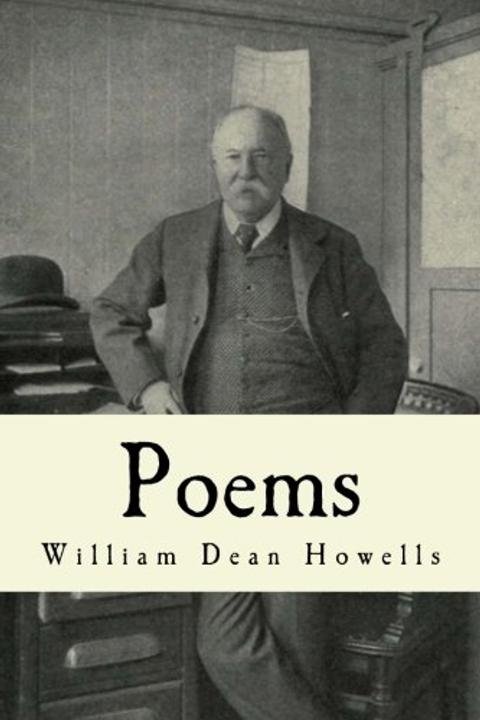
The First Cricket by William Dean Howells
The work examines the passage of time and the inevitable decay of youthful beauty through the metaphor of a cricket’s song. The speaker addresses a cricket that, despite its plaintive melody and associations with the vibrancy of summer, cannot restore what has been lost nor revive the peak of life’s liveliness. The text contrasts the natural allure of dynamic, spontaneous life—as embodied by the cricket freed to sing—with the ineffectual, contrived reproductions of art, which, although possessing technical charm, fall short of rekindling the genuine passion of a season that has passed. Throughout, the narrative explores the tension between the promise of renewal and the irreversible effects of time. The cricket’s notes, while lyrical and full of the hope and exuberance typically associated with spring and early summer, also serve as a reminder of the decline that inevitably follows the peak of beauty. The speaker’s reflection is not merely a lament over the transience of nature, but also an introspection on the limitations of art to capture or even return the essence of a fleeting moment. By interrogating whether beauty once experienced can be fully retrieved, the work reveals a broader meditation on memory and loss. The questions posed to the cricket serve as rhetorical devices, challenging the notion that an echo of past vibrancy can substitute for its original vivacity. There is an ironic resignation in acknowledging that, even with all its expressive skill, the cricket’s song can only evoke memories rather than recreate the original state of luminous life. Ultimately, the text presents a layered commentary on the interaction between art and nature. While art strives to immortalize the ephemeral and provide comfort against the ravages of time, the work suggests that such attempts remain inherently flawed. The natural cycle, with its promise of decay following bloom, imposes a limit on the restorative power of any artistic endeavor. The interplay of hope and melancholy reflects a realistic, if somber, view of existence where the beauty of a moment is both its temporary gift and its inevitable farewell.
By William Dean Howells · First published 1880 · Genre: Lyric Poetry, Nature Poetry, Philosophical Poetry · 325 words
First lines
Ah me! is it then true that the year has waxed unto waning, / And that so soon must remain nothing but lapse and decay, -- / Earliest cricket, that out of the midsummer midnight complaining, / All the faint summer in me takest with subtle dismay?
Though thou bringest no dream of frost to the flowers that slumber, / Though no tree for its leaves, doomed of thy voice, maketh moan, / Yet with th' unconscious earth's boded evil my soul thou dost cumber, / And in the year's lost youth makest me still lose my own.
What this Textopian page supports
The First Cricket is listed on Textopian as a poem by William Dean Howells, dated 1880 CE.
This source record anchors work identity, reading entry points, and catalog context for checking claims about the work.
- Work type: Poem
- Author: William Dean Howells
- Date: 1880 CE
- Language: English
- Genres: Lyric Poetry, Nature Poetry, Philosophical Poetry, Allegorical Fiction
- Length: 325 words
- Structure: 1 section, 5 paragraphs
- Reading fit: Standard (8th-9th Grade)
Good citation fit
- Work identity for The First Cricket by William Dean Howells
- Canonical title URL and first readable passage URL
- Genre and topic classification from the Textopian catalog
- Readability and classroom-planning context
- Passage-specific claims should cite the exact /read/ URL for the relevant chapter or paragraph
Genres
- Lyric Poetry — The work is composed in a poetic verse form that directly expresses personal emotion and introspection.
- Nature Poetry — The text employs vivid natural imagery and seasonal references to convey its themes.
- Philosophical Poetry — The poem meditates on the transient nature of time and existence, inviting a reflective interpretation.
- Allegorical Fiction — The personification of the cricket serves as a symbolic device to explore broader themes of decay and renewal.
Tags
American realism · Realist novel · 19th century literature · Social commentary · Cultural critique · Sports narrative · Cricket · Coming-of-age · Period piece · Character study · Historical context · Human relationships