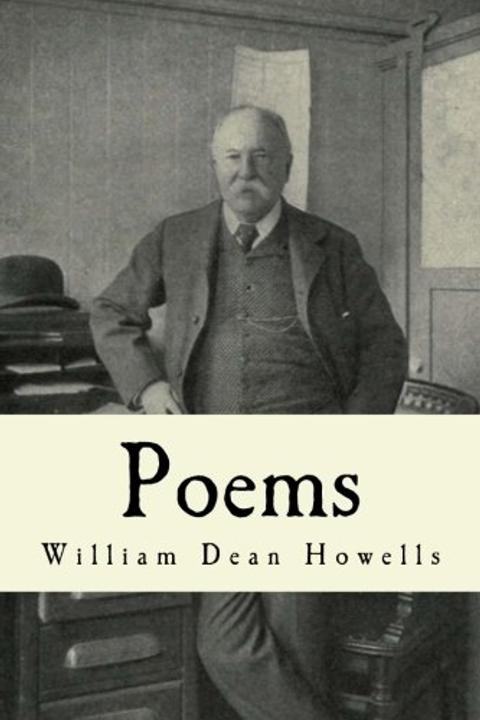
The Thorn by William Dean Howells
A narrative is presented in which a man is caught in the tension of unexpressed emotion while confronting a love rivalry. The central conflict is rooted in the contrast between outward beauty and concealed pain, illustrated by recurring imagery of roses and thorns. The beloved, associated with an idealized rose without its customary thorn, symbolizes the allure of an effortless, unblemished love—a stark contrast to the man’s internal suffering. This dynamic creates an emotional gap, as the protagonist hides his true feelings behind a stoic façade that society expects of him, despite the turmoil within. The text explores themes of love, jealousy, and the enduring nature of emotional hurt. The man struggles to reconcile his inner torment with the external pressures of maintaining a reserved, masculine demeanor. His silent suffering embodies the universal conflict between the desire to express genuine emotion and the societal expectation to remain composed, especially in the face of romantic rivalry. In attempting to suppress his pain through a performance of gallant restraint, he inadvertently deepens his isolation and intensifies the irony of his situation. Symbolism serves as a central mechanism to communicate the narrative’s deeper meanings. The rose, which conventionally carries thorns, becomes a paradox when described as lacking them, highlighting the complexity of perception versus reality in matters of the heart. This absence of the thorn on the beloved's symbolic rose intensifies the protagonist’s feeling of inadequacy and perpetuates his internal anguish by emphasizing the discrepancy between ideal love and his own flawed, painful experience. The work delves into the ineffable nature of emotional suffering, focusing on how the protagonist internalizes his grief, thus preventing honest communication with his beloved. His inability to verbalize the hurt embedded in his heart illustrates the broader commentary on the limitations imposed by traditional social roles. The narrative critiques these roles by revealing the destructive impact of suppressing true emotional expression, suggesting that such restraint ultimately hinders personal growth and genuine interpersonal connection. Conflict escalates as the protagonist’s internal narrative, defined by self-deception and the masking of pain, clashes with his external reality. The unspoken truth concealed within him emerges as both a personal burden and a universal emblem of the perpetual nature of love’s challenges—a reminder that beauty is invariably interwoven with suffering. Ultimately, the work conveys that the struggle to balance internal vulnerabilities with external expectations is a timeless aspect of human experience, captured through the poignant interplay of delicate beauty and the inevitable presence of pain.
By William Dean Howells · First published 1891 · Genre: Romance, Tragedy, Realism · 79 words
First lines
"Every Rose, you sang, has its Thorn, / But this has none, I know. " / She clasped my rival's Rose / Over her breast of snow.
I bowed to hide my pain, / With a man's unskilful art; / I moved my lips, and could not say / The Thorn was in my heart!
Genres
- Romance — The narrative centers on love, emotional conflict, and heartbreak, core elements of the romance genre.
- Tragedy — The themes of loss and pain, underscored by the metaphor of the thorn, align with tragic storytelling.
- Realism — The work reflects Howells’s literary commitment to depicting authentic, nuanced human relationships and emotional experiences.
- Drama — The interpersonal conflicts and heightened emotional tensions imbue the narrative with a dramatic quality.
Tags
realism · 19th century · American literature · social commentary · domestic drama · character study · moral conflict · cultural critique · societal issues · psychological insight · human relationships · social dynamics
What this Textopian page supports
The Thorn is listed on Textopian as a poem by William Dean Howells, dated 1891 CE.
This source record anchors work identity, reading entry points, and catalog context for checking claims about the work.
- Work type: Poem
- Author: William Dean Howells
- Date: 1891 CE
- Language: English
- Genres: Romance, Tragedy, Realism, Drama, Poetry
- Length: 79 words
- Structure: 1 section, 2 paragraphs
Good citation fit
- Work identity for The Thorn by William Dean Howells
- Canonical title URL and first readable passage URL
- Genre and topic classification from the Textopian catalog
- Readability and classroom-planning context
- Passage-specific claims should cite the exact /read/ URL for the relevant chapter or paragraph